
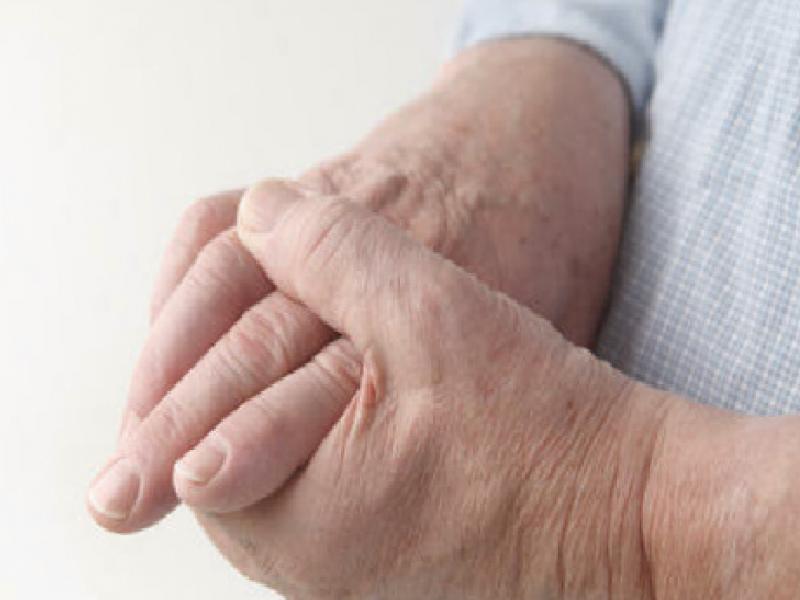
In cold weather, the human body activates many complex hormonal, neurological and vascular mechanisms to maintain its internal temperature. As a result of these protective effects, our hands and feet become cold before our body temperature drops. In fact, if the cold is long enough and for a long time, bruising begins on our fingers, lips and ears. The reason for this is the narrowing of the small vessels going to the skin with the above-mentioned mechanisms, and as a result, the inability to deliver sufficient blood to the area it feeds. When returning to normal temperature again, these shrunken veins relax and the fingers return to their normal temperature and color.
In the case called Raynaud’s Phenomenon, this normal physiological response works exaggerated and the discoloration that occurs in the fingers as a result of the constriction of the vessels becomes apparent in a way that can be easily noticed from the outside. In severe cases, it can even cause wounds on the fingertips that are difficult to heal.
How do you know if you have Raynaud’s Phenomenon? First of all, the factor that reveals Raynaud’s is COLD. To be called Raynaud’s Phenomenon, the changes must occur with cold or sudden temperature drops such as entering a cooler environment from a warm environment. Secondly, feeling cold quickly in the hands and feet does not indicate that it is Raynaud’s on its own, it is absolutely necessary to observe SIGNIFICANT COLOR CHANGES ON THE FINGERS. In a classic Raynaud’s attack, after cold exposure, a 3-stage color change usually occurs in the fingers:
1. First, blood cannot reach the fingertips due to the shrinkage of the small vessels, and a marked whitening is seen on the tips of some fingers.
2. As time passes, the oxygen content of the blood in the finger whose blood flow deteriorates decreases and the finger turns purple.
3. Finally, when the ambient temperature returns to normal, the shrunken veins in the finger relax again and the finger becomes red with excessive blood rushing to that area
To summarize the Raynaud’s Phenomenon Findings Once Again:
Happens in cold, goes away when warm.
It usually occurs on the tips of the fingers, rarely in the tip areas such as the auricle.
There is a distinct whitening and bruising on the fingertips with clear borders
It usually starts in one or more fingers. It can also occur in other fingers over time.
