
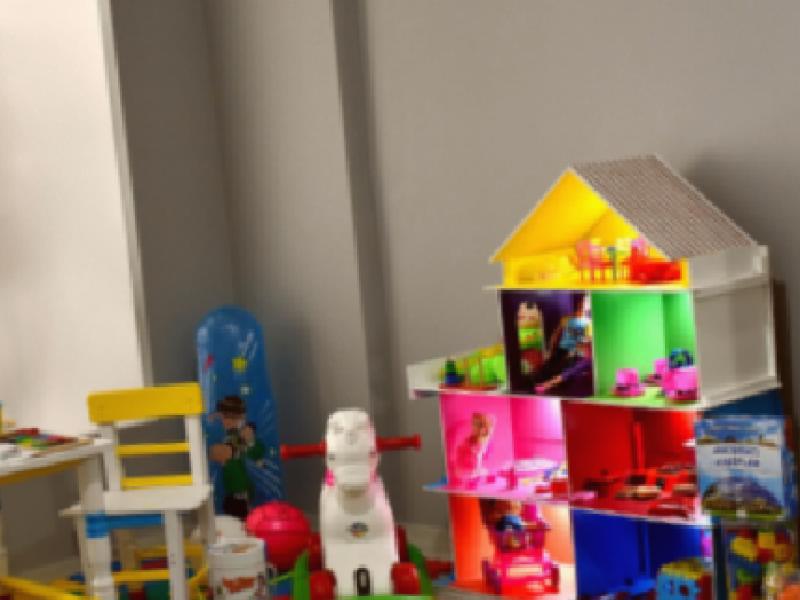
Play therapy is a form of therapy that helps children uncover their psychological problems. Children cannot delve into themselves in detail or into their problems by talking. They do not know how to explain their anxiety and trauma. In order to reveal these problems, they perform therapy with play therapists. In this field, they set up and play games in a safe environment accompanied by competent mental health professionals. Children play freely with the therapist, without being judged or criticized, without hesitation in the presence of their families.
What is Play Therapy?
In play therapy, children help them express themselves with toys. Children cannot express their problems with words like adults. Because language developments do not allow this enough. Children reflect what they want to tell by putting their experiences into play. In the structured playroom, the toys that the child wants to play attract his attention.
What is done in Play Therapy?
All children reveal their inner world with the toys they choose and the games they construct. In the play therapy room, toys are not randomly selected and positioned. Each toy has different meanings. These toys are toys that will help children freely express their problems in life. Play therapists accompany children in their emotional processes.
Topics that Play Therapy Will Help With
Children who come to play therapy have issues to help resolve. Children’s psychological problems can be easily resolved with play therapy.
Children also need help and support for the problems they face in their lives and the problems they cannot overcome.
Play therapy is effective against problems such as anxiety and stress in children, shyness in children, behavioral problems in children, sibling jealousy, self-confidence and social skills, sleep and toilet problems, family problems, parental divorce, bereavement and loss, social life problems, academic failure and night fears. is happening.
Play Therapy Time
Play therapy usually lasts between 10 and 16 sessions when it is regularly continued once or twice a week. The developmental period of the child and the course of therapy affect the course of this process.
There is no clear session range for play therapy. Because the child should feel that the bond between the child and the therapist is reliable. The child’s shyness, lack of willingness to come, family’s insufficient support of the process, etc. circumstances negatively affect the process.
Children’s attention span, boredom time is not like adults. For example, children aged 5-6 years have an average attention span of less than 15 minutes. An average play therapy is 25-30 minutes. People who have an impact on the development of children must be interviewed and informed about the therapy process. Parents who have mastered the developmental psychology of children can approach them more consciously.
Do not underestimate your children, do not underestimate their psychological problems. If you want to help your child in a better way, you should definitely get support from experts. Children are little outputs of their parents.
Psychological Counselor Ökkeş Gümüşoluk
