
If you still cannot overcome your fear of the dentist despite finding the right dentist and using appropriate psychological techniques, some sedative medications may be needed to overcome this fear.
Although sedation is sometimes thought of as a solution to “dentist fear and anxiety,” in reality many people dislike the idea of sedation.
Sedation requirement is related to the patient’s condition rather than the type of procedure to be performed. While some patients want sedation even for the smallest dental treatment, some patients only need sedation for long or difficult treatments.
As a rule, intravenous (IV) sedation is a suitable method for patients who say “I don’t want to remember anything about the procedure”. The most important disadvantage is that a companion must be present on the way home and effects such as drowsiness, drowsiness and dizziness continue in the early hours after the procedure.
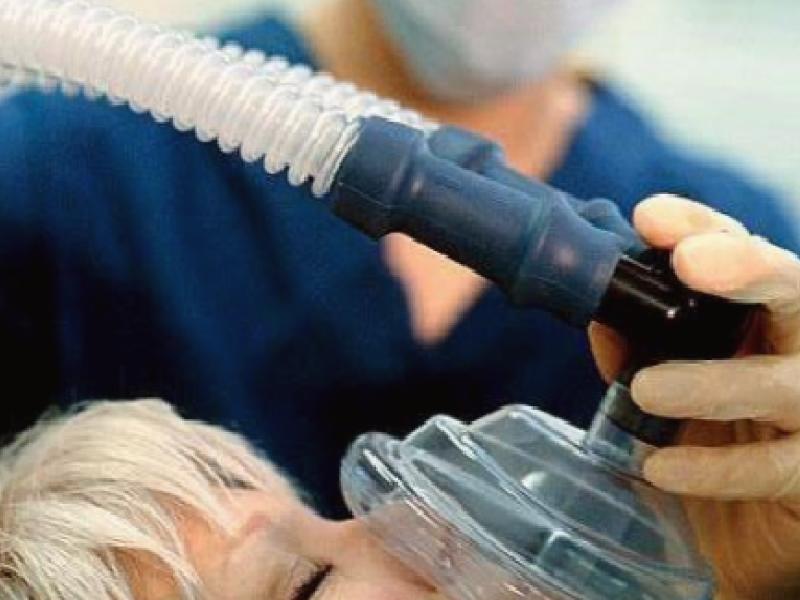
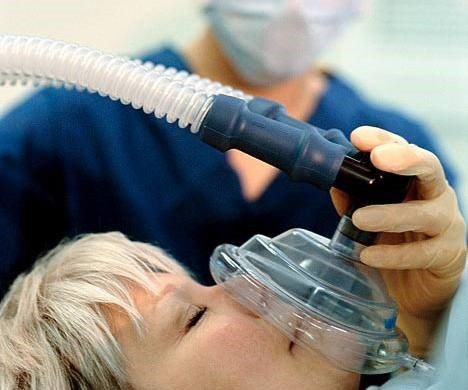
Nitrous oxide sedation may be appropriate for people who experience mild irritability on their visit to the dentist.
General anesthesia (narcosis) is the last option for dental treatment. Because the potential risks are higher than sedation methods.
The sedation method is a suitable option for the following situations.
If you do not want to see, hear or remember what happened during the procedure (intravenous sedation)
If you need a light support to relax (nitrous oxide sedation)
A voice inside you sedation
If your fear is for a specific procedure (fear of needles, tooth extraction, etc.)
If your fears are serious, if you find the right dentist but your fears still persist
If you have another problem in terms of mental functions
If you have a busy work that requires your dental treatments to be completed as soon as possible, if there is an important social event (wedding, graduation, etc.)
Multiple tooth extraction, multiple implants, etc. In cases where major and unpleasant procedures will be performed
Sedation is not a suitable option in the following situations.
If you have trouble losing control and trusting others
If you feel pressured to accept sedation
If you have concerns about medications to be used for sedation
Sedation will improve your judgment If the thought that it will affect your dentist and disrupt your communication with the dentist during the procedure bothers you
