

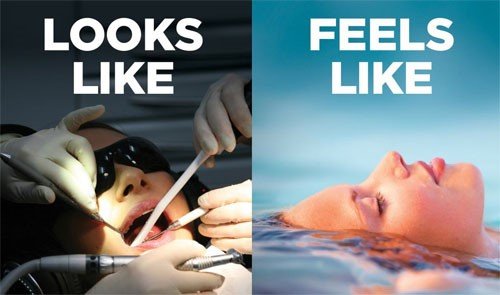
Sedation methods used in dentistry may differ from mild to profound according to the level of sleepiness. In order to determine the sedation method and sedative drugs that are suitable for you, your anesthesiologist will conduct a detailed preliminary interview and examination, including your medical history and the drugs you use.
Anxiolysis (Reducing anxiety) (Conscious sedation): Anxiolysis, which means reducing anxiety, is a mild sedation method. Nitrous oxide anesthesia (laughing gas) is the most important sedation technique used for this purpose. A small nasal mask is fixed by placing it on the nose, and nitrous oxide is administered through the nose during the procedure. Besides some drowsiness and drooling effects, nitrous oxide creates a feeling of well-being in the person.
Moderate sedation: Moderate sedation describes a situation in which the patient can continue his/her own breathing unaided, the airway protective reflexes are not suppressed, and one can respond to verbal or physical stimuli, with a slight suppression in the level of consciousness. In conscious sedation administered orally, there is a moderate level of sedation in which sensitivity to pain, sounds and smells decreases. It is possible to create a moderate level of sedation by administering drugs intravenously or intramuscularly, as well as orally. In intravenous sedation (IV sedation), the patient feels more sleepy than in oral sedation (oral sedation). The most important difference between them is the way the drug is administered. In IV sedation, the effect starts very quickly as the drug is given directly into the vein. Forgetfulness (amnesia) is the most common effect, so much so that patients think that the procedure takes only a few minutes.
Deep sedation: Deep sedation is a less common sedation method in dentistry. Consciousness suppression is at a higher level. The patient is in a rather drowsy state. Airway protective reflexes are somewhat suppressed. The patient can continue his/her own respiration, but should be followed closely and oxygen support should be applied.
General anesthesia: It is used in general anesthesia dentistry for surgical procedures or for individuals who cannot be successful with a small number of sedation (mental disability, airway problems, psychiatric disorders, etc.).
All individuals receiving sedation for dental procedures (except inhalation sedation) are sent home under the responsibility of an adult accompanying them and must remain in that adult’s responsibility until the effects of sedation wear off.
