
What is Waist Fit?
Today, low back pain is among the diseases that take the first place in terms of loss of social activity and workforce. 70% of people face chronic low back pain at some point in their lives, and this problem occurs more frequently in those working in industry and service sector.
On the other hand, 5% of all low back pains are pains that develop due to hernia.
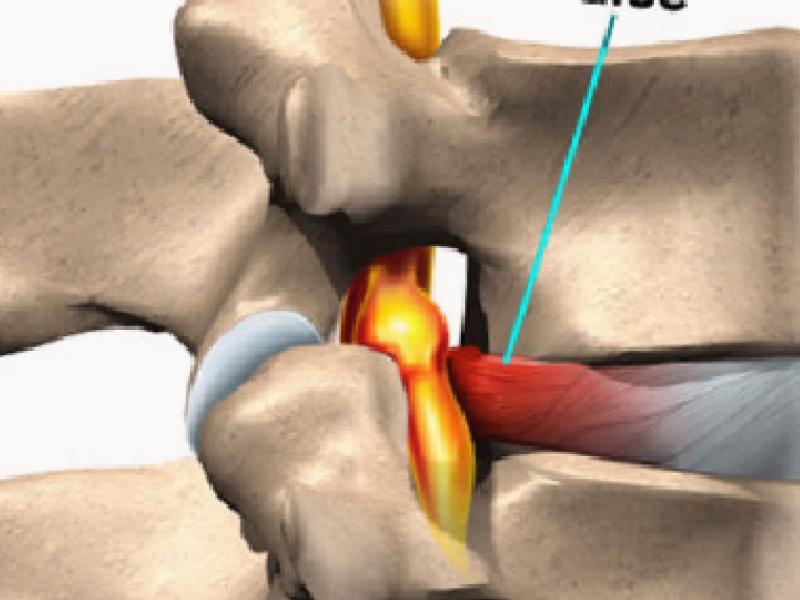
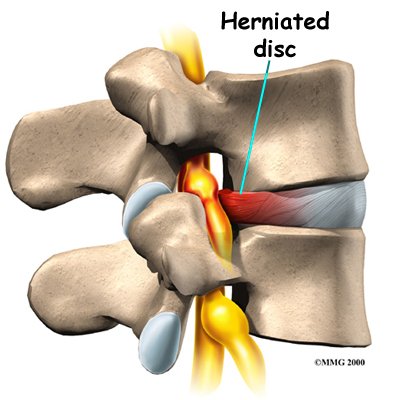
Lumbar hernia can be roughly named as the tearing of the cartilage tissue between our vertebrae in the lower back, creating pressure on the pathways of our nerves going into the spinal canal or our legs. Depending on the size of this pressure, damage develops in that nerve. As a result of this damage, we experience pain, weakness or loss of sensation in the area where that nerve functions.
How often is it seen in the world and in our country? …
Lumbar disc herniation is most common in middle age. 70% of the cases are between the ages of 25-45. It is very rare in childhood. However, in recent years, there have been publications stating that there is an increase in the incidence at young ages. When it is seen in this period, it should be considered whether there is a family history, trauma or congenital abnormality in bone structures. New developments in diagnostic methods and the introduction of MR technology into our daily lives have inevitably led to an increase in the diagnosis of herniated disc.
How is hernia treated?
In the light of MR imaging performed in patients with lumbar hernia, considering the physical examination findings of the patient, it is necessary to decide on the treatment in line with the wishes of the patients by talking to the patient.
With the help of technological developments in recent years, we have a wide variety of treatment options. Patients with mild hernia in MR imaging and no problems in the examination benefit from pain relievers and bed rest, which we call conservative treatment, at a rate of 90%. Physical therapy can be used in patients who do not benefit, and alternatives such as laser therapy, ozone therapy, and radiofrequency application can be used to destroy small discs.
Finally, if a large hernia is seen in the MR imaging of the patient, if there is a loss of strength, loss of sensation or urinary incontinence due to hernia, microscopic discectomy and, in selected appropriate cases, endoscopic surgical discectomy treatment modalities may be required.
Is there a figure on how many herniated disc surgeries are performed in our country?
The number of spine operations in our country has been increasing in recent years. According to the data of the Ministry of Health, approximately 135,000 spine surgeries were performed in Turkey in 2012, 60% of which, that is, about 82,000 hernias, were performed.
What percentage of patients with back hernia undergo surgery?
A small percentage of patients diagnosed with lumbar hernia, 5% of them require surgery for treatment.
In which situations is surgery required for hernia?
a) Most importantly, patients who could feel their urine before but who could not hold their urine together with severe pain due to lumbar hernia, and patients who developed loss of strength, ie paralysis, should undergo emergency surgery. There is a chance for these complaints to improve again in patients who are diagnosed and operated on early.
b) Surgery may be required in patients with a large hernia piece, which we call conservative treatment, whose pain does not go away despite drug therapy and rest, and which we call a free piece in the canal in MR images
Is it important not to be late for hernia surgery? Why
If conditions requiring surgery have developed, which constitute a small portion of herniated disc patients, immediate intervention is required. If no intervention is made in a timely manner, permanent damage may occur as a result of the compression of the herniated disc on the nerve, as a result of the damage to that nerve. Depending on the nerve damage, symptoms occur due to the loss of the function of that nerve. These can range from loss of sensation, incontinence to paralysis of the foot. Therefore, the earlier it is treated, the less damage will occur on the nerve, and it is very important for the patient to recover by regaining their old functions.
