
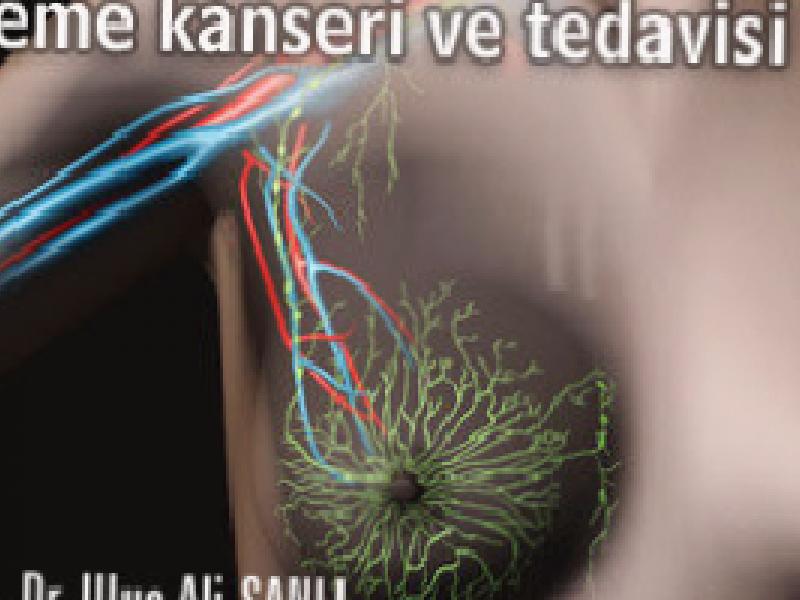

Breast cancer is the most common cancer in women. It can also be seen in men, but to a very small extent. It is 100 times more common in women. There are some risk factors for the development of breast cancer. Some of these risk factors can be prevented by the individual, such as not gaining excess weight or not drinking alcohol, while others are unintentional risks such as familial predisposition or age. These risk factors are:
Gender: Breast cancers are common in women, but less common in men.
Age: The incidence of breast cancer increases with age. However, it should not be forgotten that breast cancer can develop at an early age.
Genetics and Familial Predisposition: The occurrence of breast cancer in a first-degree relative is an important risk factor.
Hormonal Factors: The development and progression of breast cancer is directly related to hormonal factors. Long-term use of estrogen-containing drugs can lead to the development of breast cancer, or facilitate the rapid growth of existing cancer.
Diet: A balanced diet is very important. The use of animal fats, being overweight, and alcohol use are risk factors for the development of breast cancer.
Environmental Factors: Exposure to radiation, presence of some chemical substances in the environment, environmental pollution are effective in the development of breast cancer.
Smoking: It is a factor in the emergence of many cancers, so it should not be smoked.
TREATMENT:
Breast cancer treatment must be carried out by a specialist team. A new step is taken every day in the treatment of breast cancer and more modern and effective treatments are offered to patients. The most accurate and effective use of these treatments is only possible with a team effort.
In this respect, the team consisting of authorized doctors is called the tumor council.
• Tumor Council:
– Breast Surgeon
– Medical (Medical) Oncology Specialist
– Radiation Oncology Specialist
– Radiology Specialist
– Pathology Specialist
– Nuclear Medicine Specialist
– Physical Therapy and Rehabilitation Specialist
– Psychiatrist
– Algology ( Pain treatment) Specialist
consists of Doctors.
TREATMENT OPTIONS
Breast cancer treatment is guided by the type and stage of the disease. . This treatment includes many stages. Treatment methods are applied by the tumor council in a certain plan and order. For example, the patient is operated first, followed by chemotherapy, followed by radiation therapy, and the treatment program is completed. Treatment methods applied:
1. Surgery,
2. Radiotherapy
3. Medical treatment
– Hormone therapy
– Chemotherapy
– Listed as biological therapy.
RADIOTHERAPY
• It is performed by Radiation Oncology Specialists.
• It is applied to prevent local recurrence of breast cancer or to relieve complaints in advanced stages
Medical Treatment
• It is performed by Medical (Medical) Oncology Specialists
Chemotherapy
Hormonal Therapy
Biological Therapy
Chemotherapy
• Treatment with drugs that kill tumor cells
• Prevent recurrence of the disease in early stages
for treatment in advanced stages
Hormonal Therapy
• Treatment to eliminate the effect of estrogen in breast cancers found to be sensitive to estrogen
• To prevent recurrence of the disease in early stages
• for treatment in advanced stages
Biological Therapy
• Treatment with drugs specially developed against breast cancer cells i
• To prevent recurrence of the disease in the early stages
• for treatment purposes in advanced stages
Follow-up after Breast Ca Treatment
The patient whose treatment program is completed, is examined at certain intervals during the post-treatment period. and should be examined. This is necessary to detect local recurrence and systemic spread.
Application:
• Clinic examination every 4-6 months for 5 years.
• Annual examination after 5 years
• Annual breast mammography
• Those who take tamoxifen as hormonal therapy Annual gynecological examination
• In terms of bone resorption follow-up
CONCLUSION:
Since breast cancer is a common cancer in women, self-examination methods, regular doctor examinations and screening programs with mammography are required. Attention should be paid to risk factors and risk factors should be reduced as much as possible. Early diagnosis is the basic rule in treatment. It should not be forgotten that the disease in the early stage is a treatable disease. When the disease is seen, its treatment must be done by a specialist center and the treatment and follow-up program must be strictly followed.
