

Experts put forward a new thesis about the pandemic, which affected the whole world. Jeni Stolow, a professor at the College of Public Health, discusses how the coronavirus pandemic has changed the way we think.
Since the coronavirus pandemic began, many of us have been under pressure almost all the time. If you find yourself having a hard time concentrating on a task but having trouble remembering a word or where you left your keys, you may be experiencing the mental fog known as “brain fog” and you are not alone.
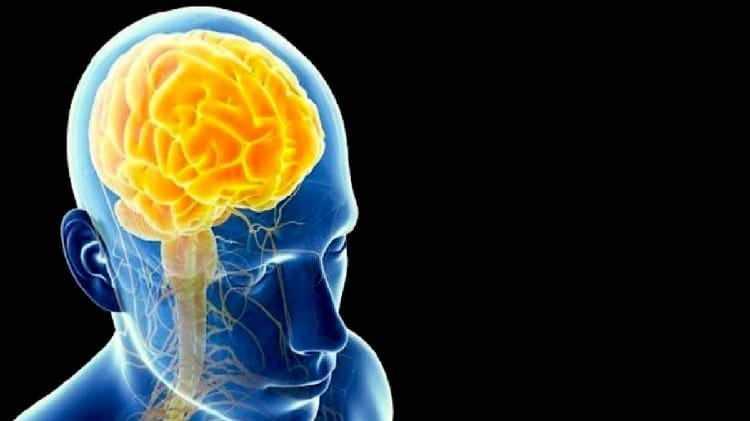
Jeni Stolow, social and behavioral scientist and faculty member at the College of Public Health, said, “This cognitive deterioration that the whole world is experiencing, because tension It’s triggered by things like that,” he said. “Some of us have experienced major stressful events, but we have these micro-stressors that are always occurring at the same time.” she adds.
The pandemic has interrupted our daily lives and exposed us to months of worry and uncertainty. We’ve all made changes to cope, and so have our bodies.
“The pandemic brain is essentially your brain adjusting to your new situation as best it can,” says Stolow. “Unfortunately, it turns out to be feeling apathetic, tired or depressed as we go from being dynamic to being completely shut off from walking around and interacting with people.”

IT IS NOT POSSIBLE TO GO BACK IN A TIME!
Common symptoms include forgetfulness and lack of focus. For example, you may have forgotten your bus number that you have been on for years. It is normal that you do not remember the number of your friends’ study room.
Since everything is changing so rapidly, we can expect our brains to return to their pre-pandemic state just as quickly. But it is not that easy!
“We’re all learning again how to do this. Step one is to be kind to yourself and try not to get frustrated,” says Stolow. )
In conclusion, Stolow says, “I understand that everyone wants to get back to normal as quickly as possible, but I can tell you it won’t be that easy.”
