
* Gout is a Joint Disease
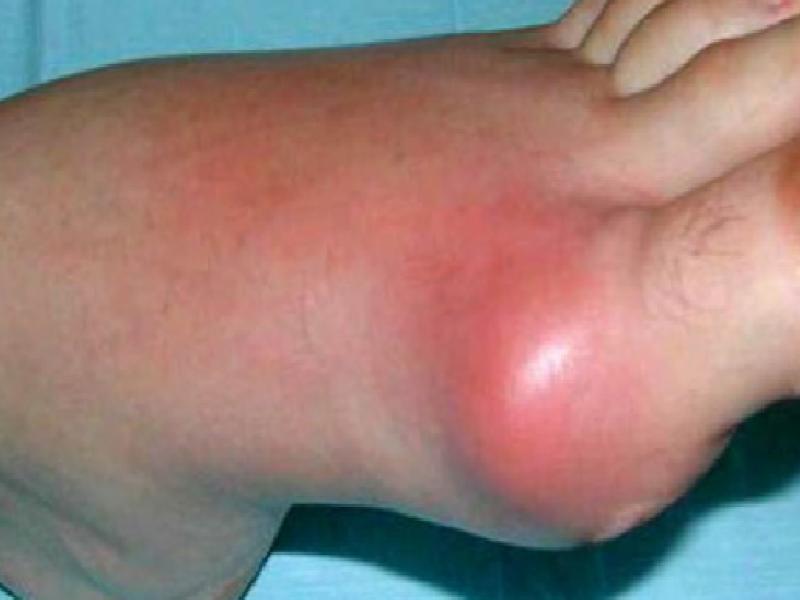
Gout, which is defined as a “rich disease” due to the high consumption of red meat and animal protein, is a joint disease. It is more common in men over the age of 40. It can very rarely develop in older women after menopause. Gout can also bring along other health issues such as diabetes, hypertension, obesity and hyperlipidemia. This place has it.
* Gout is Composed of Excess Uric Acid in Our Body
Uric acid is a product of destruction that occurs as a result of digesting purine-containing foods in our body and is found in the blood of every healthy individual. Too much uric acid in the blood accumulates in and around the joint structures and causes inflammation here. It occurs in the form of pain, tenderness, redness, swelling in the joints.
* Why Does Uric Acid Increase in Blood?
It may be caused by overproduction of uric acid, less excretion from the kidneys, and excessive intake of purines, which turn into uric acid in the body, with certain foods.
*Men are 20 Times More at Risk than Women
Those at risk of gout;
- Those with a family history of gout,
- Those who consume too much of foods that are strong in purines,
- Those who drink heavily,
- Those who are overweight,
- Those who have undergone an operation (even an easy attempt to extract a tooth can cause it)
- Sudden and severe illness
- Those who undergo chemotherapy,
- Those who use diuretics, (Diuretics are removed from the body) are drugs that provide fluid excretion)
*The Most Painful Among All Rheumatism Types
Gout causes severe pain if not intervened. Mostly the big toe is affected. In addition, joints such as the elbow, knee and wrist can be affected. If the treatment is delayed, the joints and kidneys are affected, kidney stones may form.
* How to Treat?
- Diet
- Medication
- Surgery (very rare)
* Aspirin should not be used during gout attacks.
Aspirin, which is seen as a cure-all, may not be beneficial in gout, but may even be harmful. It enriches the acid environment in our blood, reduces uric acid excretion through the kidneys, triggers gout attacks. For example, all drugs that make the blood environment acidic can trigger this disease.
*The Most Commonly Recommended Diet for Gout
is the Purine-Free Diet. This diet ensures that foods that cause too much uric acid production are taken in moderation.
OFFERS
1. Limit Foods High in Purine
Purine-containing foods such as meat, fish, poultry should not be consumed during acute attack periods. These nutrients can be given in small amounts (60 g/day) after the acute attack periods have passed. Milk, cheese, eggs are the most suitable protein sources in a purine-restricted diet. Below you will find a list of some low and high purine foods.
- Low-Purine Foods for Gout:
- Fruits – (Especially cherries and strawberries)
- Vegetables (other than those mentioned below)
- Grains
- White bread/crackers (whole wheat)
- Rice
- Cereals and cereals
- All types of cheese
- Suitable for a Gut Diet Non-High Purine Foods:
- Offal (such as liver, kidney, tripe, heart, tongue…)
- Excessive red and white meat
- Fish and seafood
- Peas, lentils, beans, spinach and legumes
- Yeast foods
- Mushrooms
- Asparagus
2. Reduce Alcohol Consumption
Since alcohol consumption may increase the uric acid level again, alcohol should not be consumed or consumed in a limited way.
3. Keep Your Ideal Weight
Unconscious diets may cause the disease to be worse.
4. Drink Plenty of Water
Drink plenty of water to prevent uric acid from being excreted and accumulating in the tissues.
