
ALLERGIC RHINIT (ALLERGIC FLUSH)
Rhinitis (cold) can be defined as the inflammation of the mucous membranes in the nose. Allergic rhinitis is rhinitis caused by allergens such as pollen, dust mites, fungal spores, or animal dander and skin debris. It causes complaints such as sneezing, runny nose, nasal congestion and itching in the nose, throat, eyes and ears.
Complaints in allergic rhinitis caused by pollen occur seasonally in spring, summer and autumn periods which are pollen seasons. On the other hand, allergic rhinitis due to house dust mites, fungi and animal allergens lasts all year. Complaints usually begin before the twenties and last a lifetime if left untreated. It can start earlier in life if the parents are allergic, the mother smokes, and the baby is fed artificial foods instead of breast milk.
What are the examination findings?
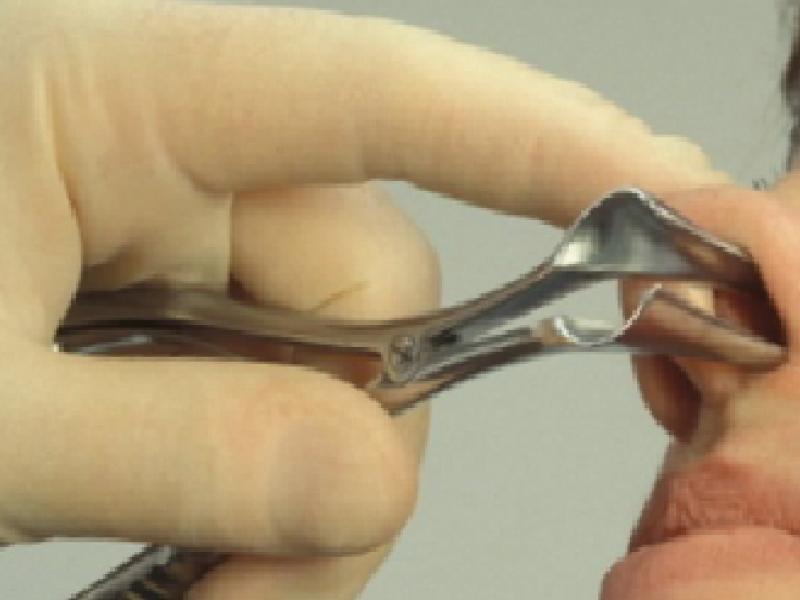
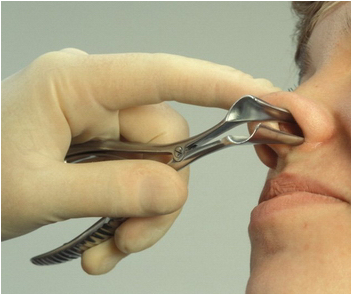
Nasal examination is very important in the diagnosis of allergic rhinitis. In the nasal examination of a patient with allergic rhinitis, it is observed that the membranes in the nose are swollen, edematous, and dull blue-purple. Often these findings are accompanied by an increase in secretion, such as clear water. In addition, a bright brown-purple color change under the eyes (allergic shiners), streaking under the eyes (Dennie-Morgan line) and a horizontal line formation (nasal crease) in the lower 1/3 of the nose may be observed due to nose scratching. If the eyes are also affected by the allergy and allergic conjunctivitis has developed, the tear secretion has increased and the eyes are red and itchy.
What are the main laboratory methods required for diagnosis?
Demonstration of increased cells called eosinophils in the nasal mucosa supports the diagnosis of allergic rhinitis. The most valid method in diagnosis today is to determine the responsible allergens with allergy skin tests. Treatment is planned after allergens are determined by allergy skin tests.
How is allergic rhinitis treated?
Patients sensitive to indoor allergens can reduce their exposure to some extent by taking environmental control measures to avoid dust mites and pet allergens. In cases where environmental control measures are not sufficient and the patient’s complaints continue, drug treatment is started.
In medical treatment, oral antihistamine drugs and decongestants as well as corticosteroid nasal sprays can be used. However, these drugs are drugs that suppress the signs and symptoms of the disease temporarily as long as they are used (symptomatic), and if they are discontinued, the symptoms reappear. It should not be forgotten that these drugs should be used in line with the recommendations of a specialist physician.
“Immunotherapy”, or “vaccine treatment” as it is known among the people, is a treatment method that is applied by injecting the responsible allergens under the skin at regular intervals and increasing doses, starting with low concentrations and doses. Since this treatment directly affects the immune system and eliminates the underlying allergic mechanism, the patients fully recover and their drug requirements are completely eliminated. Immunotherapy is the most appropriate treatment option for patients whose complaints cannot be completely suppressed with environmental control measures and various drugs, and for patients whose complaints last for a long time and who have to use drugs continuously. In addition, scientific studies have shown that the risk of developing asthma is significantly reduced in patients undergoing immunotherapy.
