
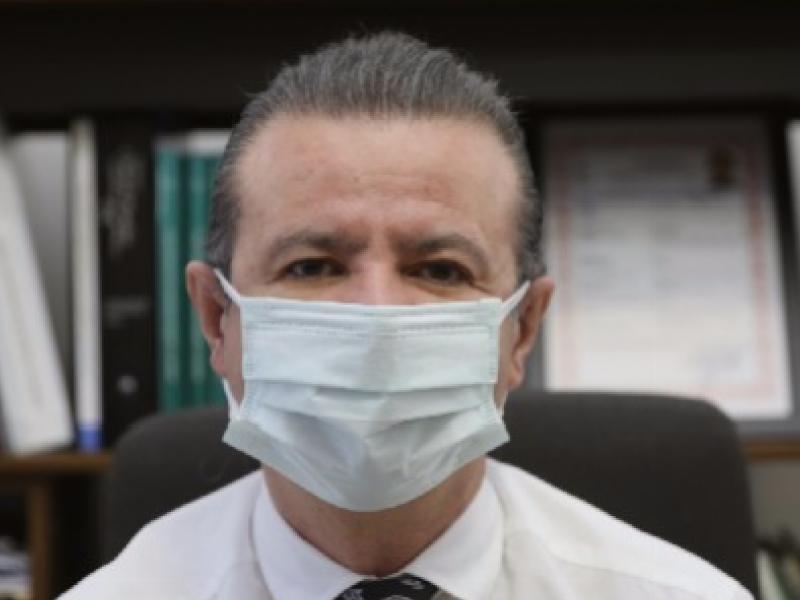

Due to the coronavirus, masks have become a part of our lives. However, we are experiencing problems with the selection of the right mask and the accompanying mask allergy, and the use of masks in winter. What should be considered when choosing the right mask? What are the causes of mask allergy? How is mask protection provided in winter? Allergy and Asthma Association President Prof. Dr. Ahmet Akçay answered all the curious questions.
How is mask protection provided in winter?
The most important issue to be considered in the use of masks in the winter months is the wetting of the masks, especially in rainy and snowy weather. Moistened or wet masks lose their protection completely. Even in dry weather, the masks are moistened with our breath in long-term use. In addition to losing its protection, eczema and hives may occur due to contact with moistened masks on the skin. For these reasons, it is necessary to change the wet or damp mask immediately even if it is newly put on, and the mask should be changed at most every 3 hours in dry weather.
What should be considered when choosing the right mask?
While producing masks, some chemicals used during these processes can cause skin rashes, itching and redness, especially in sensitive children with allergies. The properties of the mask are very important to prevent mask allergy. At this point, TSE-approved surgical masks with low risk of contact allergy and free of substances such as latex, paraben, nylon, chlorine can be preferred. In addition, the masks to be preferred should be chosen in comfort that will not disturb the ears in long-term use. It should be checked whether the mask to be preferred is registered in the Product Tracking System of the Ministry of Health. It will be useful to choose masks with Covid 19 safe production certificate and TSE type 2 product approved. In addition, masks containing Meltblown in 3 layers can be preferred for protection.
What are the causes of mask allergy?
Face masks, including traditional surgical face masks, N95 masks, and reusable fabric masks, may contain chemicals that can trigger contact-related allergic reactions. Allergic skin reactions to face masks develop against a number of chemical components from which the masks are made. The properties of the mask are very important to prevent mask allergy. At this point, TSE-approved surgical masks with low risk of contact allergy and free of substances such as latex, paraben, nylon, chlorine can be preferred.
Source: (BHA) – Beyaz News Agency
