
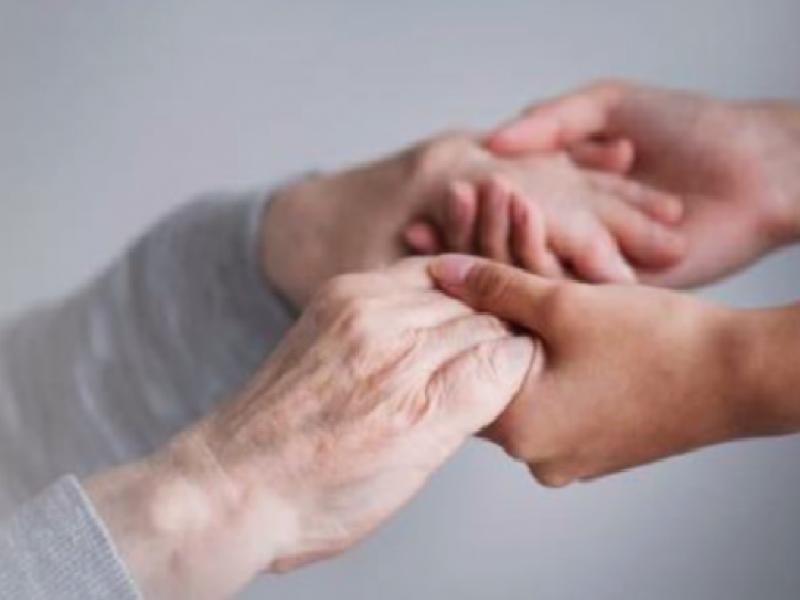
“Psychological first aid is a humanitarian response and support activity carried out in a way that prevents the deterioration of the psychological health of people affected by an emergency, disaster or traumatic event.”
Psychological first aid, which includes the basic principles of psychosocial support, aims to help people in an emergency feel safe, calm and hopeful, to ensure that they are in contact with other people, to reduce the level of stress experienced, to enable them to reach physical, emotional and social support, and to increase flexible resilience.
With the psychological first aid provided, one of the goals is to help them achieve well-being and prevent deterioration. Psychological first aid is not therapy. In the case of survivors, their parasympathetic, that is, their calming system, is disabled. Therefore, therapy is not possible. Trauma symptoms need time to be studied in therapy. The right time is not now!
It is a technique that can be given not only by experts but by everyone. The readiness of the people to whom PY will be applied is also important. They may not want to communicate, they may have shut themselves down. It is important to be contacted if they are ready to support. It should not be forced to communicate. Sometimes, they may shout at us and fire us with the effect of life, anger and guilt feelings, but it is essential to be able to say this. “Yes, you don’t need me right now, I can understand you, but I’m here, I’m here for you. You can come or contact whenever you want.” Thus, the relationship is established.
“Every person has the capacity to heal himself in his inner world.” says Carl Rogers, founder of client-centered therapy. By initiating relationships with survivors who have closed their healing capacity, we begin to open their closed systems. The relationship should be trustworthy, sincere and honest.
As we all know, if we have a purpose to wake up the next day, we can move on, but otherwise, living this life can be incredibly difficult. It is possible that many of the disaster victims have lost their relatives or have lost all of their family members. Therefore, giving the person next to the victim the duties and responsibilities that will bind them to life – simply telling people to take a cup of tea – will enable them to regain their functionality. In other words, the feeling that they work will be revived and their existence will find meaning again. The priority is the process of being together, that is, to make them feel that you are with them. From your own pain and experiences while helping the person in the first place, “I also experienced this and that in the 99 earthquake.” I shouldn’t say.
By supporting someone there, the person giving psychological first aid needs to build the safety belief of the victim whose belief in a safe world has been destroyed.
It is recommended that officials going to disaster areas wear black and look lawful. It is also important that they are free of jewelry, make-up, nail polish and perfume. It can be dressed according to the culture of that region. It can even be good to tie the head in accordance with the grieving process. All this gives the feeling that you are there just for them. The fact that someone talks a lot and not at all can be a sign of trauma. Listen if he needs to tell, but don’t think it’s good just because he’s telling. Take your notes and forward them to the next team. Draw them into sensory awareness. “Focus on your breath, get your feet on the ground.” like. This prevents dissociation. You have to do it not like a therapist, but from a human place.
In summary, psychological first aid depends on 3 basic concepts:
To watch, that is, to observe and meet basic needs.
To listen (without asking questions), to accompany without saying anything.
Connecting, human connection, not therapeutic support.
