
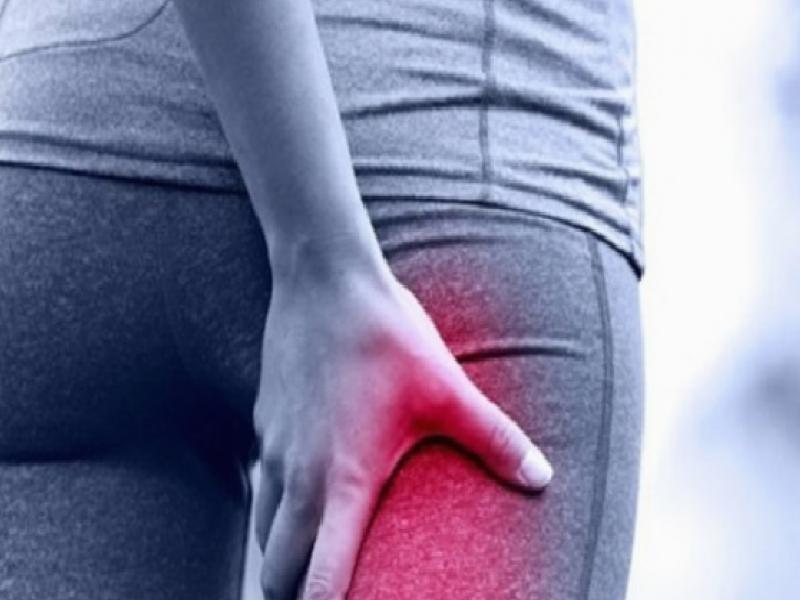

The hip joints have a strong structure that is resistant to heavy movements and wear and tear, which is not too much. It is the most movable joint of the body, where the thigh bone (femur) meets the pelvis (pelvis) at the same time. Pain in the hip joints, which negatively affects life, can develop due to many reasons. Here are the causes and treatment of hip pain…
What causes hip pain?
When we look at the cases of hip pain, it is seen that most of them develop due to easy reasons such as an unconventional movement or excessive strain on the joint during training. In such cases, the causative agent of pain is usually tension in the muscle tendons or inflammation in the soft tissues of the hip. If the pain does not improve during the 2-week period, it indicates a more important underlying problem. Pain felt due to joint problems may also be reflected in the groin, knees or upper legs in some cases. In some cases, pain in the hip due to problems in the knee or lumbar region can also be the subject of speech. Apart from these, common causes of hip pain can be listed as follows:
Fall or hip injury
Arthritis (Rheumatoid arthritis, osteoarthritis, psoriatic arthritis, juvenile idiopathic arthritis, septic arthritis, etc.)
Hip fractures and dislocations
Joint inflammation (bursitis)
Sprain
Inguinal hernia
Hip labral tear condition (tear in hip joint cartilage)
Tendonitis (tendinitis)
Sciatica
Advanced metastatic spread to bones cancer events
Legg-Calve-Perthes disease
Bone inflammation (osteomyelitis)
Osteoporosis (bone loss)
Synovitis (inflammation of the joint membrane)
How is hip pain treated?
Painkillers such as paracetamol, non-steroidal anti-inflammatory drugs (naproxen, ibuprofen, etc.) and bisphosphonates are mostly recommended to alleviate and eliminate the pain that causes complaints.
In addition to this, resting and performing exercises to help beautify are also a part of the treatment. Calcium and vitamin D supplements can be used to support the repair of weakened or damaged bones in hip pain caused by osteoporosis. In cases requiring longer-term treatment, it may be necessary to rely on physical therapy and rehabilitation practices.
