
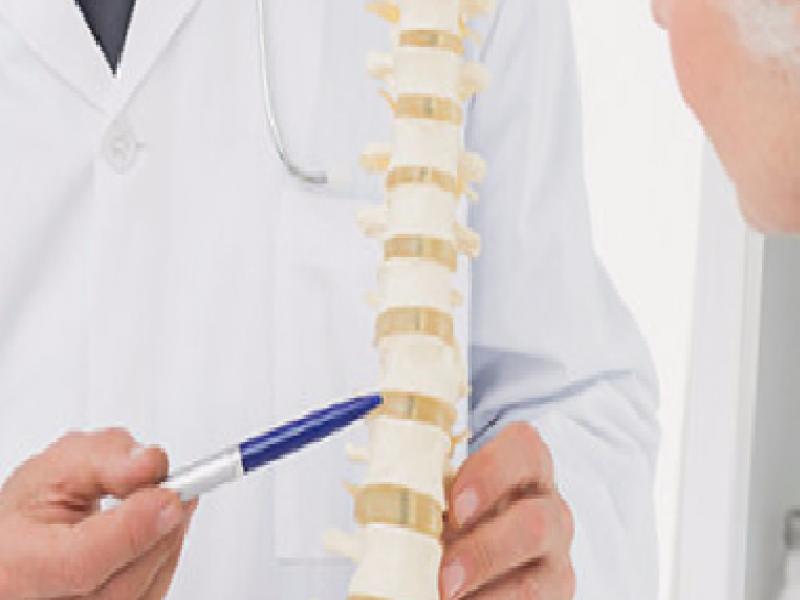

The lumbar region, which is located on the sacrum (rump bone) together with the five vertebrae and the discs that act as shock absorbers between these vertebrae, constitutes the most mobile region of the spine after the neck. The joints between the 4th and 5th lumbar vertebrae and the 5th lumbar vertebra and the sacrum bone constitute the majority of the movement in the waist. The inner part of the discs between the vertebrae consists of a gelatinous fluid containing approximately 70-80% water, and the outer part consists of fibers consisting of fibrotic bands. Over time, a decrease in the amount of liquid in these discs occurs, and the content of the previously unbreakable disc, which is unbreakable, dries up and becomes breakable and breakable. Repetitive movements, excessive strain, posture disorders and physical activities in inappropriate positions lead to ruptures in the outer part called annulus fibrosis, the rupture starts from the inner fibers of the annulus and extends outwards. As a result, the dehydrated, degraded gelatinous fluid herniates outward and forces the ligaments in that area and puts pressure on the surrounding tissues.
During periods of ruptures in the capsule of the disc, patients suffer from occasional low back pain. Most of these can be corrected with just bed rest without any treatment. However, as the disease progresses further, it compresses the nerves going to the leg and patients experience more leg pain during this period. Nerve fibers are also similar to electrical wires, mostly the outer fibers closer to the surface are sensory fibers. The deeper ones are the fibers that make the movement. When the dislocated disc causes irritation in the nerve coming to the leg, pain is first felt in the area where that nerve carries the sensation. If the event progresses and the sensory fibers are damaged, numbness (numbness) occurs in that area. It is more common in young and middle ages. In advanced ages, it is seen with lumbar calcification.
What are the symptoms?
The most important symptom of herniated disc is back and leg pain. Initially located in the lower back, the pain then spreads to the leg. It is usually unilateral. It can change sides or be bilateral. Sometimes patients come with only leg pain. If there is no sudden strain or adverse movement, the pain has recurred several times before and resolved with or without treatment. The patient also has numbness in the legs and restriction in waist movements. Coughing, sneezing, prolonged sitting, driving, bending forward increase the pain. It is a common finding that the waist is bent to one side in order to reduce the pain called antisciatalgic posture.
Pain can be mild, moderate or severe. In advanced cases, there may be melting, thinning, and chills in the leg muscles. Very rarely, numbness and inability to urinate or incontinence are seen in the legs, especially on the inner sides (both sides). In this case, the patient should be referred to surgery immediately.
How is the diagnosis made?
In most cases, the patient’s appearance, the patient’s expression, and a simple examination make the definitive diagnosis. However, laboratory tests, plain X-ray, tomography and MRI may be required to determine the form of the disease and to distinguish it from other diseases.
Is it possible to be protected from herniated disc?
A good muscle structure, training in balance and posture between the muscles and avoiding risky movements are partially helpful in preventing herniated disc. The most important thing is to prevent its recurrence in a person who has had low back pain once.
How is the treatment of lumbar hernia?
Short-term bed rest should be in the most comfortable position of the patient and in a good bed. The bed should be firm and smooth and should not collapse with body weight. The side-lying position (the fetal position in the womb) with the legs pulled to the abdomen is the best form of rest.
Painkillers, muscle relaxants, drugs are useful. Antidepressant medication can be used in chronically ill patients.
In patients whose complaints persist despite medication and rest therapy, physical therapy and rehabilitation help the majority of patients to resolve their complaints.
All patients should be shown the principles of back protection and exercises according to the stage of the disease.
In case of urinary-stool incontinence and progressive loss of strength, emergency surgery should be performed without wasting time with any other treatment method. Again, in patients whose leg pain does not go away despite all pain relief treatment methods, surgical intervention should be performed without delay. If the leg pain does not go away despite all other treatment methods have been tried in the patients other than these, and if this leg pain is at a level that will affect the daily life of the person, surgical treatment is considered again.
