
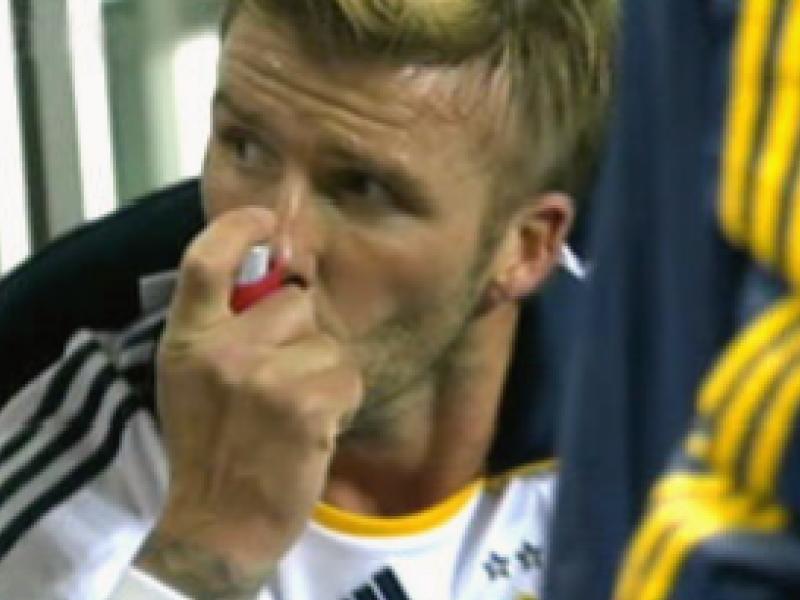
Asthma is a disease characterized by narrowing of the airways and inflammation, especially in the small airways. This disease, which usually progresses in attacks, has different triggers. When patients encounter or are exposed to these triggers, they present symptoms such as coughing, wheezing, breathing, shortness of breath, and chest tightness. The disease is quite common in both childhood and adulthood. We see that uncontrolled asthma severely impairs a person’s quality of life.
Exercise-induced asthma (EBA) defines asthma triggered during physical activities. Our patients state that they develop asthma attacks, especially during exercise, and that they are generally comfortable. We also observe that these patients have more complaints when they exercise in cold and dry weather. We know that our patients have an asthma attack again if the air pollution is too high during outdoor sports activities or if the allergen load (such as pollen or mold fungi) in the air is high at that time. Likewise, in these cases, we witness that asthma attacks are triggered, especially after viral infections or by being in an air-conditioned environment.
EBA symptoms
Although EBA symptoms vary from person to person, they usually appear as follows:
* Wheezing (wheezing = wheezing)
* Coughing
* Shortness of breath
* Chest tightness
* Fatigue
* Decreased athletic performance…
EBA Control
For EBA control, the patient and doctor should enter into a serious cooperation. Determining the triggers correctly and adequately is directly proportional to the experience of the physician and the attention of the patient. If the triggers are determined in a healthy way, both the follow-up, treatment and disease management of EBA will be much easier. The most effective treatment is preventive treatment. In other words, it is the correct avoidance of the patient from the triggering agents. In addition, an emergency action plan should be prepared for possible attacks and explained to the patient one by one.
If we look at the medical treatment in patients with EBA, we see that they do not actually receive a very different treatment from other patients with asthma. Generally, anti-inflammatory or preventive respiratory sprays
cortisones and beta 2 agonist sprays, which we call rescuer, are used. The most appropriate treatment for EBA is to use asthma medications in place, regularly and in doses, to keep the disease under full control, and to use short-acting beta 2 agonists in required doses before sports activities if necessary. Apart from these, if the physician deems appropriate and necessary, long-acting beta 2 agonists (bronchial openers), mast cell (cells that release the mediators responsible for allergy) stabilizers, leukotriene (one of the important mediators in allergic disorders) antagonists can be given to patients.
Our patients with asthma should consult their doctor before taking any medication if they have tightness during exercise.
What are the causes that trigger asthma?
For the correct follow-up, treatment and disease management of EBA, the individual must determine the factors or factors that trigger asthma symptoms. For example; EBA can be triggered while playing sports in cold and dry weather. Doing sports activities indoors or using a simple mouth mask while doing sports can prevent attacks.
Apart from this, it is necessary to stay away from exercises done outside during the hours when air pollution or pollen load in the air is intense. Pollen load in spring; It is maximum between 16:00-17:00 at dawn and evening. It is necessary to avoid doing sports outdoors during these hours. Apart from this, if the person feels severe physical fatigue or has an infection, it would be appropriate to stay away from sports activities until this situation improves.
It has been shown in many previous studies that asthma attacks are significantly reduced in athletes with good physical condition. For this reason, we recommend our asthmatic patients to engage in sports activities that will improve their physical function capacities. Although swimming is the sports activity we usually recommend for children or adults, there is no obvious drawback for our patients, who take appropriate precautions and are well under control with medical treatment, to do outdoor sports. However; Our patients, however, should definitely consult their doctor about this issue.
Apart from these, a good warm-up exercise before the activity and gradually increasing exercise weight will prevent asthma from getting out of control during sports.
What should I do if an asthma attack occurs while doing sports?
If an asthma attack has occurred despite all kinds of precautions and a controlled exercise program, you should:
1. Stop all sports activities immediately and try to remain calm,
2. Avoidance of the triggering agent (smoke, (such as dust, cold air, etc.) quickly move away,
3. If you have a short or long-acting bronchodilator (beta-2 agonist) spray medication, take it at the prescribed dose,
4. If you have a prediction that your symptoms will continue Contact the nearest health institution.
Finally, the following can be said;
Being an EBA student should never distract you from sports. Sports are part of asthma treatment. Knowing that there are highly successful professional athletes who lead their lives without asthma with regular physician control, use of appropriate and dosed medication and avoidance of triggering agents; Our patients with EBA can also live their lives normally. As long as you do not leave your doctor’s control…
Wishing you a healthy day,
Prof. Dr. Cengiz KIRMAZ
