

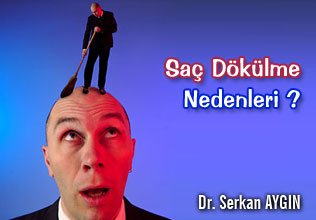
Experts state that it is normal to shed 50 to 100 strands of hair a day, but when excessive hair loss, weakness in the hair follicles and thinning of the hair strands are observed, a specialist should be consulted.
The most effective method of stopping hair loss is to notice the changes in the hair early and start the treatment as soon as possible. However, it is not possible to apply the right treatment without finding the cause of hair loss. Therefore, those who have excessive hair loss, weakness in hair follicles and thinning of hair strands should seek the help of a specialist doctor.
According to experts, about 90 percent of the hair in a healthy person is in growth and this growth phase can last for 2-6 years. The remaining 10 percent is in the resting phase, which lasts for 2-3 months. These hairs, which are in the resting phase, shed and new hair grows from the shed hair follicles and the cycle continues in this way. Most hair loss occurs during this cycle.
Main Causes of Hair Loss
- Genetic Hair Loss (Male Type Hair Loss): Experts state that the most common cause of hair loss is genetics, and they state that women with this heredity do not have baldness, but decrease in hair. This condition is called “male pattern baldness” and it can start between the ages of 10-20-30. Although there are new medical treatment options, permanent improvement is seen only in hair transplantation. The method that will be suitable for the patient is chosen by the doctor.
- Wrong Hair Care and Use of Cosmetic Product:According to the experts’ knowledge; Processes such as dyeing, bleaching, perm or hair straightening can damage the hair if not performed under appropriate conditions. At the same time, with the frequent application of these processes, washing, combing and brushing the hair frequently can weaken the hair and break it. The frequency of pulling your hair with a ponytail, braid or tight elastic bands can also cause hair loss.
- Drying and Combing: Using conditioner after shampooing your hair makes it easy to comb your hair. Your hair is more fragile when wet. To prevent the hair from falling out by breaking; It is necessary to avoid drying the hair by rubbing it with a towel and to use a wide-mouth and flat-tipped comb instead of a brush.
- Alopecia Areata: As a result of this type of hair loss, which can be seen at any age, smooth-surfaced, coin-sized or larger round patch-shaped areas are formed on the scalp. All hair and body hair may rarely be lost. The cause of this type of hair loss is unknown, and in many patients the hair grows back on its own later on.
- Postpartum: Experts state that most of the hair in pregnant women is growing, but after the birth, the hair growth cycle goes to rest and they shed excessively within 2-3 months. After this period lasts for 1-6 months, they mostly re-grow and return to their old amounts.
- High Fever, Severe Infection and Cold: Experts state that diseases can cause the hair to enter the resting phase and there may be an intense hair loss 4 weeks to 3 months after the disease, but they will return to their old amounts over time.
- Thyroid Disease: Doctors, who state that the under- or over-functioning thyroid gland can cause hair loss, state that hair loss can be eliminated with the treatment of this disease.
- Nutrition with Incomplete Protein: Protein deficiency occurs in those who have abnormal eating habits and those who follow a deficient protein diet. In this case, the body puts the hair in the resting phase to preserve protein, causing intense hair loss after 2-3 months. In order to improve this, doctors recommend taking enough protein.
- Some Medications: According to doctors, some medications can cause hair loss, albeit temporarily.
- Cancer Treatments: Experts state that some cancer treatments can stop the division of hair cells and patients can lose 90 percent of their hair, but after the treatment, the hair will grow back to its original state.
- Birth Control Pills: Doctors state that hair loss in women using these pills can occur with hereditary predisposition, but when hair loss occurs, the pills should be changed under the control of a doctor.
- Iron Deficiency: Hair loss can be seen in cases of nutritional iron deficiency or insufficient absorption of iron from the intestines. Since iron deficiency is more common in women due to menstrual bleeding, iron deficiency must be eliminated.
- Major Surgery and Chronic Diseases: Patients who have undergone major surgery may experience excessive hair loss within a few months, but this situation improves within a few months. In people with severe chronic disease, hair loss can continue for a lifetime.
