
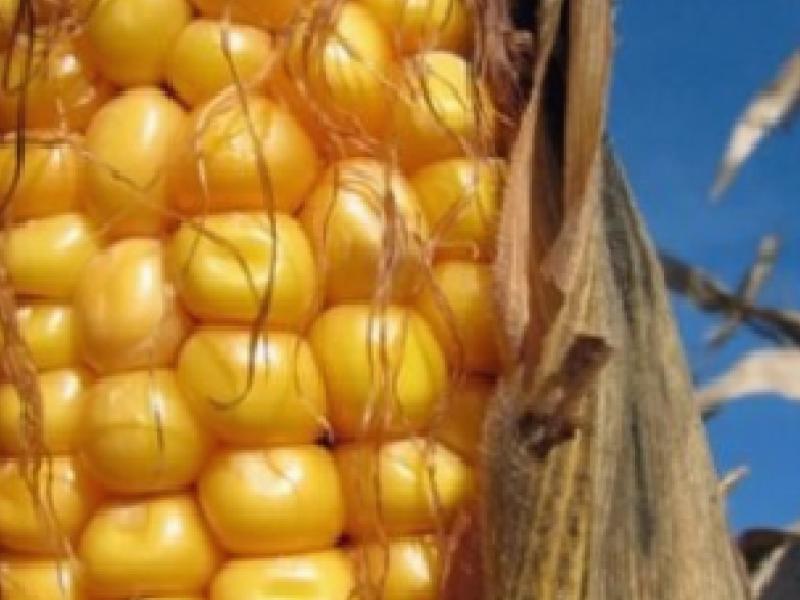

Aflatoxin is a toxic chemical substance that develops in foods and feeds due to the increase in humidity and heat produced by the bacterium called Aspergillus flavus or A. Parasiticus. The spores of the mold formed in the humid environment produce this toxic substance and contaminate the food. Although mold spores do not have a negative effect on human health on their own, they reproduce on nutrients when the environment is favorable and produce a partially harmful chemical substance.
Aflatoxin, which is mostly formed in crops at harvest time, facilitates mold growth by increasing the amount of water as a result of hindering the drying of the crop before storage. Also, insect and rodent infestation is another factor that causes this mold growth. This condition can occur almost anywhere in the world, but is more likely to occur in tropical and warmer countries.
Aflatoxin, which is generally observed in cheese, corn, peanut, cottonseed, almond, fig, spice and feed varieties, is also formed in milk, egg and meat products as a result of feeding animals with feeds containing this substance. However, aflatoxin-containing maize, peanuts, and cottonseed are the crops with the highest cancer risk.
Does aflatoxin cause cancer?
Many countries operate a strict control mechanism for the use of such foods by introducing new regulations, although full protection cannot be provided before they reach the consumer.
As a result of a study, clear evidence showing that consuming foods containing aflatoxin in China and sub-Saharan Africa is one of the main causes of human hepatocellular carcinoma (liver cancer) is supported by cancer associations.
Aflatoxin is a toxic substance known to have carcinogenic effects on humans and causes liver cancer in animals. A possible close relationship between aflatoxin and people with liver cancer is thought to exist in Africa and Asia, where peanuts are the main food source. Another recent study shows that the hepatitis B virus (a viral infectious disease of the liver) and long-term aflatoxin-containing foods together increase the risk of liver cancer.
More than 100,000 turkeys on poultry farms in England in the 1960s died of what they called ‘Turkey X Disease’ within a few months. It was later understood that this disease was not limited to turkeys, and the disease, which also transmitted to ducklings and pheasants, killed many animals.
Later research showed that the epidemic was related to the diet of animals, and it was concluded that Brazil peanuts, which were suspected to be consumed by perished animals, contained highly toxic substances with similar symptoms to “turkey X disease” for poultry and ducklings.
In the 1960s, the toxin produced by the fungus caused many speculations, and a year later, this toxin, which was identified as Aspergillus flavus in 1961, was named aflatoxin.
This discovery has raised awareness of the potential harms of toxic food, which can cause illness and even loss of life in humans and mammals. Today, in countries with advanced technologies, the control of foods that can carry such toxic substances is strictly followed.
Dear readers, when consuming risky foods containing aflatoxin, please discard the moldy, discolored or abnormal product without waiting and buy a new one. It is a fact that should not be forgotten that long-term storage of foods containing mold spores that produce toxic substances increases the risk of disease.
