
WHAT SHOULD WE KNOW ABOUT HYPERTENSION?
What is Blood Pressure?
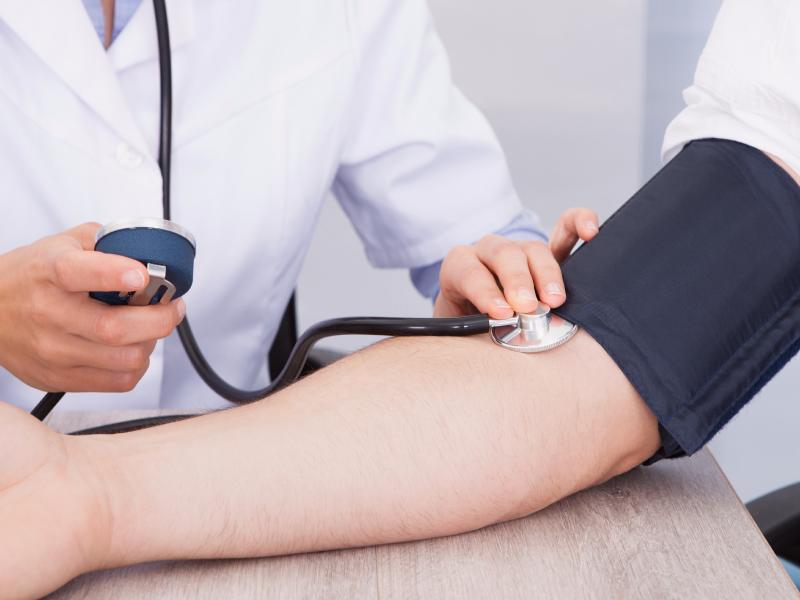
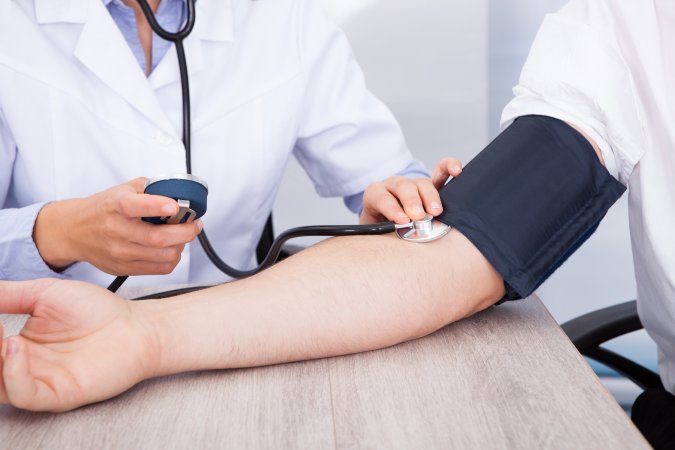
Each of your heartbeats causes a wave of blood to be pumped through your veins. As this wave spreads throughout the body, it puts pressure on the walls of your arteries and creates the force we call blood pressure. Blood pressure can change during the day and from day to day. It is usually lowest at rest and can vary depending on your activity, posture, and mood. As long as these temporary changes are within the limits we want, they are considered perfectly normal. If this pressure increases for various reasons and rises to 140/90 mmgH or more, then the presence of hypertension is mentioned.
High Blood Pressure (Hypertension) Facts
What does High and Small Blood Pressure mean? What do the numbers on the blood pressure monitor mean?
When your heart muscle contracts and pumps, the force pushing your artery walls out is the highest and it is the highest reading of your blood pressure, called ‘Systolic Blood Pressure’, that is, High Blood Pressure. When your heart relaxes between beats, the driving force of your blood decreases and your blood pressure drops to the lowest value, ‘Diastolic Blood Pressure’, that is, Low Blood Pressure. Hypertension means your measured blood pressure is above 140/90 mmHg.
A single high value does not mean you have hypertension. The measurement should be repeated at least two different times to determine whether there is a stable height. The term ‘silent enemy’ is a frequently used term for hypertension. The reason is that hypertension can damage the brain, kidney, cardiovascular system without any symptoms for years. For this reason, your blood pressure should be measured at regular intervals.
What are the Symptoms of Hypertension?
High blood pressure may cause occlusion or enlargement of the vessels feeding the organs by causing damage to the inner surface of the vessel in the long term and may cause organ failure.
Major symptoms of hypertension may include headache, dizziness, visual disturbances, ringing in the ears, palpitations, shortness of breath, and chest pain. In addition, there may be symptoms such as weakness, fatigue, nosebleeds, difficulty in walking and climbing stairs, frequent urination, waking up at night and urinating due to hypertension. When you notice one or more of these symptoms, you should definitely consult a doctor.
Why does hypertension occur?
People with a family history of hypertension have a high risk of developing hypertension. In addition, secondary causes such as various kidney diseases, vascular diseases and hormonal disorders can lead to hypertension. In addition, excessive salt consumption, stress, obesity, diabetes and a sedentary lifestyle also play a triggering role in hypertension. Various medications, such as some pain medications, cold and flu medications, and birth control pills, can also increase blood pressure. In some of our patients, a specific cause cannot be determined, but hypertension must be controlled in all patients and blood pressure must be reduced to an ideal level.
What can you do to keep your Blood Pressure healthy?
If your blood pressure is still high despite these changes in your lifestyle, your doctor will recommend drug treatment. Like all other treatments, hypertension treatment should be individualized. In drug treatment, it is aimed not only to control blood pressure, but also to protect other organs. The type, dosage and variety of drugs to be used in the treatment should be completely under the control of your doctor. Never take any medicine recommended by your doctor.
The most important factor in drug treatment is to take the drugs given by your doctor uninterruptedly and regularly, even if you feel well. The biggest mistake made is reducing or discontinuing the drug, considering that the drug is no longer needed after the blood pressure is under control. Hypertension drugs are not addictive. If your medication is reduced or stopped without the control of your doctor, your blood pressure will rise again.
