
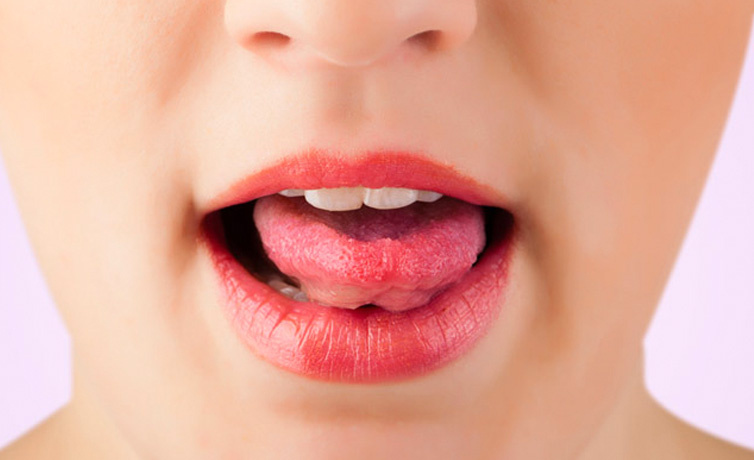

Saliva has numerous functions for our health. Just as every organ can be disturbed, our salivary glands can also suffer. If these ailments are not prevented and treated, they can lead to serious health problems. So why do stones form in the salivary gland? ENT Diseases Specialist Assoc. Dr. We learned from Ozan Seymen Sezen.
SALIVA PREVENTS THE FORMATION OF BACTERIA ON OUR TEETH
Emphasizing that the saliva secreted by the salivary glands has more than one vital function, ENT Diseases Specialist Assoc. Dr. Ozan Seymen Sezen said, “Saliva makes it easier for us to taste. At the same time, it protects the mouth area by keeping the inside of the mouth moist. Saliva, which moistens the oral cavity, facilitates the swallowing of the consumed foods. Enzymes in saliva are valuable for dental health as well as helping digestion. Thanks to the elements it contains, saliva protects tooth enamel and roughens the formation of bacteria on our teeth.” spoke form.
FORMATION OF STONES IN THE SALIVA GLAND INCREASES THE RISK OF INFECTION
Noting that decreased salivary flow and possible stone formation in the salivary gland increase the risk of infection, Assoc. Dr. Ozan Seymen Sezen, “The salivary gland in front of and below both our ears is called the parotid salivary gland. In addition to 2 submandibular glands under the chin, there are also 2 sublingual salivary glands under the tongue.
Due to reasons such as fluid loss, tension, various drugs used, radiation therapy, some anemia (iron deficiency anemia, diabetes, chronic diseases of the salivary glands), salivary volume and flow rate may decrease. Decreased salivary flow also increases the risk of infection. In order to prevent this situation, plenty of liquid and sour foods should be consumed. The most common situation within the scope of salivary diseases is salivary gland infections. Salivary gland infections can be caused by bacteria and viruses. Infection is most commonly seen in the front of the ear and the lower (parotid) salivary glands.
SURGICAL INTERVENTION MAY BE REQUIRED
Stating that salivary gland infections give symptoms as pain, redness on the skin, temperature increase and swelling, Sezen said: “Plenty of fluid consumption is recommended in the treatment of salivary gland infections. Treatment processes can be supported with antibiotics and painkillers. If an abscess is observed at the infection site, surgical intervention may be required. Salivary gland infections can recur. In case of recurrence of infection, the medicated treatment process is continued in the same way. If infections recur very frequently, surgical intervention may be required to remove the gland.” said.
MUMPS IS MORE COMMON IN CHILDREN
Stating that salivary gland infections can also occur through viruses, Sezen said, “The most common disease of infections caused by viruses is mumps, which is mostly seen in children. Mumps disease mostly occurs in the salivary glands in front of and below the ear. The virus can be transmitted by direct contact, droplets (during sneezing, coughing) or saliva. Individuals with mumps disease may experience pain and swelling in the front of one or both ears. In the first 3 days of the disease, there may be a fever up to 40 degrees.
Antipyretic drugs can be used in the treatment of the disease. At the same time, we recommend that patients consume plenty of fluids and rest. Mumps should be followed up in men, as it can lead to infection in the ovaries (orchitis), meningitis, brain, pancreas, heart muscle and joint inflammation, even if it is less.” said.
BEWARE! STONES MAY OCCUR IN THE SALIVA GLAND!
Stating that another disease frequently encountered in the salivary glands is the formation of stones in the salivary glands, Sezen said, “Stone formation in the salivary glands can occur due to diseases that cause fluid loss or due to reasons such as low fluid intake. In addition, drugs used and chronic diseases also predispose to stone formation in the salivary gland.
Stones formed in the glands are most commonly observed in the submandibular salivary glands. The stone formed in the salivary ducts clogs the ducts and may prevent the salivary flow. Pain and swelling may occur under the chin, usually after food consumption. Sometimes this condition is accompanied by salivary gland infection. This situation may improve after a certain period of time, but there is also the possibility of recurrence. In the treatment of salivary gland stones, small stones can be taken from the salivary duct with thin curved cameras. If the stones are large in the salivary ducts, surgical intervention can be applied. spoke form.
