
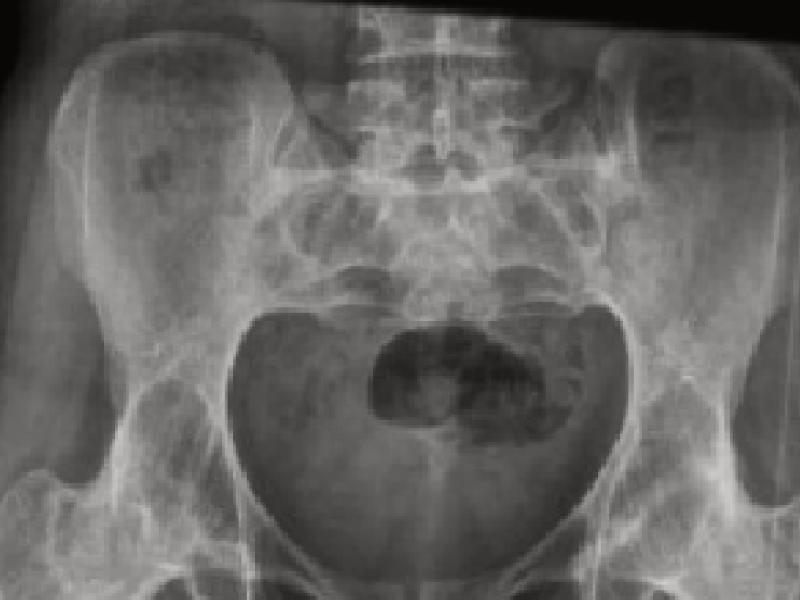
One day, this diagnosis was made after long-standing low back pain, getting up from bed as if frozen in the morning, severe pain in the hips from time to time, and dozens of examinations…. It’s called AS, that is, humpback disease. From that moment on, he started to look for a way to get rid of the hunchback by telling his wife, friend, internet and even someone he saw in a way…
It is this search that often pushes our patients to despair and depression. The rush of research that was experienced in the early days leaves its place to the feeling of getting used to, which is one of the most important characteristics of human beings, and over time, a feeling of giving up on our patients collapses. We doctors are also guilty at this point, we have to admit it. We should ensure that our patients receive accurate information about their problems and give them the right education by holding their hands like a child starting school. Well, what else should we recommend for this notorious AS, other than basic disease principles and drugs, let’s read it together.
AS is not actually a standard disease. In other words, every person we diagnose immediately identifies with the deceased Suna Pekuysal and Ahmet Mete Işıkara. However, this behavior is actually a huge mistake. Each of our patients has a different course and the disease shows serious differences according to the person. In fact, the rheumatologist knows who will go bad and adjusts the treatment accordingly. The subject of this article is how our patients should live. While we are giving these recommendations, we have prepared a list based on medical references.
1. In every moment of our lives; that is, we must have a suitable posture, that is, our posture, while we are at work, resting or sleeping. The disease tries to bend our body forward. It is important to sit upright while sitting, to avoid working by bending our neck too much at our desk, to choose a chair that is neither soft nor hard, and to sit by supporting our back.
A regular and disciplined life should be started. Excessive fatigue should be avoided and our lifestyle should be regulated so that our body can rest. Smoking must be stopped, to argue about this is nothing but deceiving ourselves. The most important advice here will be to catch an optimistic and beautiful point of view. Otherwise, even the best treatment may lose its effect.
2. Our chair should be straight and recessed chairs and armchairs should not be used. It is necessary to avoid sitting for long periods of time. The neck can be relaxed by supporting the book with an upward slope while reading.
3. If our strides are big enough, our hip movements will be relaxed. Elastic heels will make us comfortable while walking on hard ground.
4. Our mattress should not be too hard or too soft. Soft spring mattresses and sofas are not suitable. It is the right behavior to lie face down for at least 20-40 minutes before going to sleep and when getting up in the morning, to avoid lying on the side, to leave thick pillows and to prefer thin pillows. If possible, you can lie down without a pillow and try to sleep on your back, avoiding sleeping on your side.
5. Dry and drafty working environments are suitable. Prolonged work while leaning should be avoided. In the work environment, sitting-standing and walking times can be adjusted alternately. It would be very relaxing to be able to rest for a short time by lying down on your back and face down during the lunch break.
6. Physical activity is very important. Sports that increase our body movements and make us upright, that is, stretching, should be preferred. Of course, the types of sports we will do change depending on the stage of our disease, that is, whether we are sick early or late. Sports that are open to forward bending and impacts such as long-term cycling, boxing, football, skiing should not be preferred. The neck is an area that should not be forced, especially for an advanced patient. If we have joint swelling together, we should not force the joint just because I will do sports. Sports that stretch the body and gymnastics-style sports, especially swimming, provide significant benefits. Allocating even 5 minutes in the morning and evening to the exercises we recommend to you will increase our quality of life.
Increasing our lung capacity by taking deep breaths in between and learning correct breathing exercises will be very beneficial in the long run.
7. Weekly red meat consumption is recommended as 2 meals and fish consumption as 2 meals, excessive meat consumption is not recommended. It is important to maintain our weight according to our height, and it should be known that our treatments, especially our drugs called cortisone and anti-TNF, can increase our appetite and make us gain weight. Our calcium and vitamin D intake should be adequate. If we take less calcium and vitamin D, our bone quality will deteriorate faster. A vegetarian diet is believed to reduce inflammation, that is, disease severity.
8. Pregnancy and birth can be relaxed. You do not have to have a cesarean delivery, you can have a normal birth. Of course, we need to adjust your drug treatments at this time, but now you should know that most of the drugs we give you during pregnancy and lactation are proven to be safe and you should be in close dialogue with your rheumatology doctor on this issue. At this point, approaching the natural and spending this period with the least medication and the most exercise is the most accurate target. However, sometimes if a severe patient needs medication, it would be wrong to ignore it.
9. It is necessary to use wide mirrors and support the neck while driving. It is correct to support the waist with a thin pillow. On long journeys, it is recommended to take a few minutes of walking and stretching breaks, taking breaks at 1-2 hour intervals.
10. It is recommended to be in socially active exercise groups and to do appropriate exercises. Social isolation should be avoided. It is necessary to continue education with reliable information sources.
However, we should not perceive all this information as standard and unchangeable for every patient. Considering that each of our patients is a separate individual, it is necessary to prioritize individual patient characteristics.
