
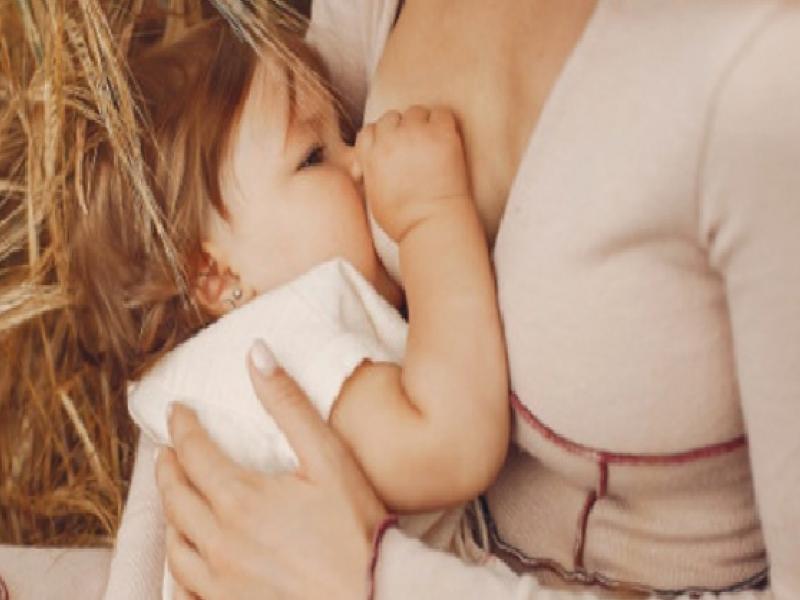

For expectant mothers who are going to taste motherhood for the first time and counting the days until birth, or mothers who can’t wait to hold their second baby in their arms, we want them to forget all the truths they know about postpartum breastfeeding! Because Uz. Dr. Seda Günhar gave information about the value of breastfeeding within the scope of “1-7 October World Breastfeeding Week”. When is the first breastfeeding after birth? How often should the baby be breastfed? Here are 10 frequently asked questions about breastfeeding!
The most valuable postpartum period for mother and baby begins with breastfeeding. Breastfeeding is very precious for both mother and baby, but it requires a little patience and a little care. It is necessary to start breastfeeding within the first half hour after birth, if possible. It is also valuable to know the actual breastfeeding positions, to plan the frequency of breastfeeding adequately, and to have a stable diet.
What are the Benefits of Breastfeeding?
Breastfeeding is the most effective way to establish a strong bond between mother and baby. While protecting mothers from breast cancer, it also significantly reduces the risk of cancer in the future. It is also known that prolactin, that is, milk hormones, provide birth control from the end of pregnancy to the end of breastfeeding. Breast milk also protects babies against cancer, diabetes, obesity, allergies and intestinal diseases. Moreover, the first vaccine of the baby is the first mouth milk, also called colostrum, which he sucks from his mother. This first milk, which has a yellowish color, contains beneficial biological activities that strengthen the baby’s immune system.
What should the mother pay attention to while breastfeeding the baby- How is the baby breastfed?
Knowing the actual breastfeeding situation gives the mother a great advantage. Nipple cracking, which occurs as a result of the baby not holding the truth and not being able to grasp the nipple in a good form, can cause the mother to feel very hurt during breastfeeding and to become cold from breastfeeding. For this reason, education about breastfeeding should be taken in the last days of pregnancy.
When Should a Postpartum Baby Breastfeed for the First Time?
Breastfeeding should start within the first half hour after birth for proper breastfeeding performance and milk to come. Even if the birth was by cesarean section, it is necessary to breastfeed within the first half hour. There are studies that show that milk comes earlier when the baby is placed on the mother’s breast as soon as it is born in ordinary births.

How Frequency of Breastfeeding Should Be?
Mothers should breastfeed their babies frequently. Especially new mothers who gave birth by cesarean section should breastfeed every 2 hours for the milk to come faster. Physiological feeding time should be every 3 hours after milk performance is established and started to come. This period may change as babies grow, but the determining factor here is the baby. Some babies prefer to suck frequently, while others prefer to suck at long intervals. The ideal is 15-20 minutes of effective nutrition every 3 hours. In this way, the baby attains a healthier sleep, defecation and feeding regime. Babies who sleep 4-5 hours a night should not be interrupted and if they are sleeping, they should be allowed to sleep for 5 hours.
How Long Do Breasts Fill with Milk?
Milk formation in breasts is related to breastfeeding interval and duration. A baby who is fed for 20 minutes in 3 hours empties the breast and within the next 3 hours the breast is filled with milk again. Mothers who start their business life should express milk every 3 hours. As the months progress, it may be every 4 hours. Milking is valuable for the continuation of the physiological order.
What Increases Breast Milk?
During the breastfeeding period, the mother should not be hungry and her metabolism should not be paused. During the breastfeeding process, the mother should be fed with 3 main meals and 3 middle meals. When middle meals or main meals are skipped, metabolism slows down and milk production decreases. Industrial artifacts and sugary foods should not be consumed too much. A diet loaded with protein, vegetables, fruits and grains should be adopted. Eggs, cheese, yoghurt, meat, fish, village chickens, all nutrients that provide physiological nutrition play a valuable role in the production of milk. Cereals such as bulgur, wheat and oat should also be included in the diet. Raw nuts such as walnuts, almonds, hazelnuts and dried fruits can be consumed in the middle meal. It should not be forgotten that the increase in milk is not by eating a lot, but by eating a healthy and regular diet.
How long should the baby be breastfed?
The baby should be fed exclusively with breast milk for the first 6 months, unless the physician tells otherwise, considering the baby’s weight gain and health status. Complementary nutrition exercises start from the 6th month. You can create the transition to supplementary food and the baby’s nutrition program together with your doctor. The baby should continue to be fed with breast milk until the age of 2.
How to Prevent Mastitis?
Mastitis is one of the most common health problems experienced by breastfeeding mothers. This is usually caused by inflammation in the chest crack. As a precaution, the actual breastfeeding situation should be known and applied. It is very important to avoid very oily creams as much as possible and to apply breast milk to the breast while taking care of the breasts. Closing the nipple in an airtight manner with pads delays wound healing. Using chest shields for this will provide smoothing in a much shorter time. You should not take a shower with very hot water and massage the chest as much as possible.
How Does Breast Puffiness Happen Before and After Breastfeeding?
One of the main pillars of breastfeeding is keeping the breast pure. The nipple should not be cleaned too often. In particular, cleaning with carbonated water or other disinfectants should be avoided. Cleaning only once a day with ordinary shower and body soap will suffice.
How Should We Feed Baby When Breast Milk Is Low?
A mother should never lose hope of an increase in breast milk. In order for the baby to be in good general condition, if breast milk is not enough, formula should be given after breastfeeding. It is very valuable to hold the breast every 3 hours. It is necessary to hold the baby at the breast for 15-20 minutes and then to support the baby in cases where it is not enough. Bottle use should be avoided in the first week after birth. The baby who takes the bottle may have difficulty taking the breast.
