
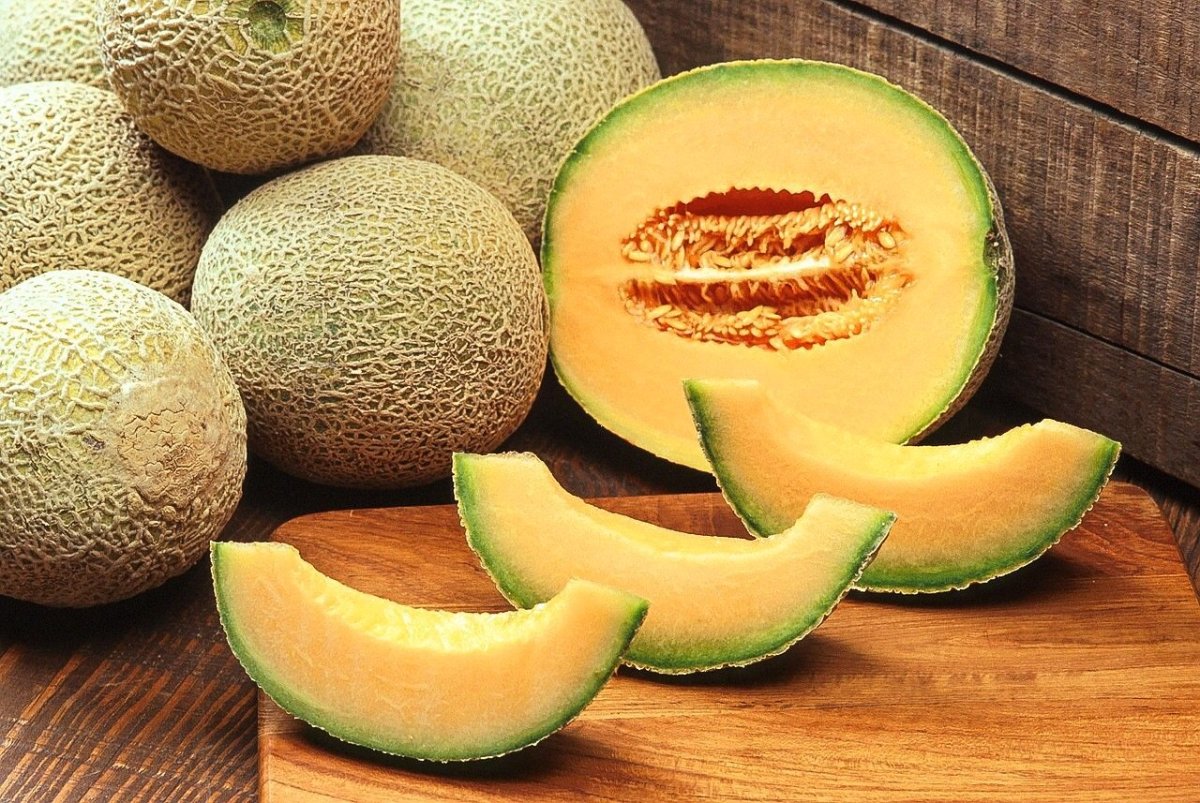
One of the unchanging fruits of summer months Melon It contains very useful nutrients not only in terms of taste but also in terms of human health. In this article, we will discuss the scientific evaluations while talking about the benefits of Melon. Why should we eat melon? What are the benefits of melon? What is the nutritional value of melon? How many calories in melon? Does melon lose weight? Does melon nourish skin and hair? How to recognize ripe melon? What are the harms of melon? Does excess melon damage the kidneys? Do animal or plant sources absorb better iron? You can find the answer to your questions in our article.
Melon just as watermelon It is low calorie when the portion calculation is made. Therefore, it is indispensable for summer diets.
A bowl of sliced melonthanks to the high water level it contains 55 caloriesbut daily vitamin A It meets almost all of your needs and more than half of your vitamin C needs.
Same time Containing 1.5 grams of fiber a bowl of melon also a It is among the foods containing potassium.
High water level inside the melonIt is extremely effective against water loss. However, the benefits of melon do not end there.
Dietitian Heather Mangieri, spokesperson for the Academy of Nutrition and Dieteticssays that melons are a very good choice when considering their nutritional value per calorie.
Moreover, in HortScience in 2006 In a published study, it was seen that the phytonutrient beta carotene concentration in melon was higher than that in orange, even though the orange was lighter in color.
Journal of Nutrition In a study conducted in France in 2006, published in the journal polyphenol It turned out that its content was lower than that of all other fruits. polyphenolIt is a powerful herbal food with antioxidant properties.
However, the total amount taken from the daily nutrients of the melon is still polyphenol contributed significantly to the
seen.
This is because the portion sizes of melons are usually larger; By consuming much more melon due to the amount of water it contains, you can consume less calories and consume more nutrients than you can get from fruits with high nutritional value, such as kiwi, but with small portions.
Where does melon come from?
Melons, watermelon, shamama, casaba melon (Kırkağaç), pumpkin, zucchini and cucumber It is a member of the Cucurbitaceae, i.e. cucurbitaceae.
According to the University of Illinois Extension, cantaloupeis a variety of musk melon.
North American melons (Cucumis melo reticulatus) are known for the mesh on their rinds, while European melons (Cucumis melo cantalupensis) are green, have little mesh on their rinds and have very deep grooves inside. So much so that these fruits are melons, which surprises many Americans.
There are many varieties of musk melons with different shapes, sizes, colors and flavors. “Musk” the word comes from the Persian word for “perfume”; Musk melons got their name from the intense essence of the unripe fruit. The origin of melons and musk melons is Iran.
Cantaloupe, the English name for melonoriginates from Cantalupo, a town near Vatican City. Seeds from Armenia were planted in the papal gardens in this town during the Renaissance.
How to recognize ripe melon?
Choosing a fresh cantaloupe can be tricky because you can’t see the inside of the fruit, but if you’re looking to eat a sweet melon, freshness is key, Mangieri says.
If you notice that the melon is heavier than you expected when you take it in your hand, that fruit is most likely ripe.
Also, just because the melon is sweeter does not mean that its health benefits are diminished, as it becomes softer and juicier over time. sugar content of cantaloupedoes not show a significant increase after harvest.
Health benefits of melon
1. Antioxidant property
vitamins A and Care antioxidants that contribute to body health.
According to an article published in Pharmacognosy Review, antioxidants are molecules that interact seamlessly with free radicals to prevent oxidative stress.
Free radicals cause cell damage and deterioration that can cause diseases.
vitamins A and C like antioxidants, cancer, heart disease and joint inflammation It also helps in preventing such ailments.
2. Metabolic syndrome
The American Journal of Clinical Nutrition In a study published in the journal Biosciences, the association of fruit and vegetable consumption with cases of metabolic syndrome in hundreds of Iranian women was examined.
metabolic syndromeat the same time (high blood sugar, excessive fat accumulation around the waist, high cholesterol or triglyceride levels and high blood pressure) is the simultaneous occurrence of many ailments.
metabolic syndrome, according to the Mayo Clinicin patients heart diseaseIt also increases the risk of stroke and diabetes. As a result of the research melon, apple, grape, watermelon and banana high consumption women metabolic syndrome found to be at the lowest risk.
3. Eye health
Mangieriemphasizes that vitamin A is very important for eye health.
to the Linus Pauling Institute at Oregon State University Vitamin A, also known as retinol, as a result of an extremely complex process that takes place in the eye, gives an electrical signal to the optic nerve, allowing the perception of colors in dim light and the ability to see. Vitamin A taken with herbal food beta carotene also reduces the risk of macular degeneration (yellow spot disease).
4. Asthma
Journal of Allergy and Clinical Immunology According to a study published in 2004, it was seen that asthma patients who consumed more beta carotene in melon had a higher quality of life in controlling disease symptoms and breathing more easily.
5. Closure of wounds, skin and hair health
C vitaminplays an important role in wound healing. British Journal of Community Nursing This is because, according to a study published in the journal collagen of vitamin C synthesis and development.
collagenIt is also very important for skin and hair health.
Moreover, vitamin A is known to contribute to the growth of healthy tissue, including the skin, and the amount of water in melon keeps the skin moist and soft.
6. Iron absorption
Mangieristates that the vitamin C found in melon also helps to ensure the absorption of iron in the body. Vitamin C helps to counteract the effects of phytonutrients that prevent iron absorption, such as fruits, vegetables, and nuts. “non-heme” It helps in the secretion of iron from sources. Iron from these sources is more difficult to absorb than iron from heme sources such as meat.
Should iron be obtained from animal or vegetable sources?
There are two forms of iron in foods: “heme” and “non-heme”.
“Heme iron” comes from animal sources and is immediately absorbed by the stomach and enters the system.
“Non heme” iron is herbal originates and has a lower absorption rate than Heme. The iron absorption from animal foods is almost 3 times higher than that of plant foods.
7. Fluid intake
Melons, which are 90% water, also contain electrolytes from sugar. This makes melon a suitable snack for a hot day.
electrolytesIt is very important in preventing sunstroke and fatigue.
8. Digestion
To Mayo Clinic The fiber and water ratio in melon helps digestion; It helps in reducing or preventing constipation.
9. Heart health
Melon, which meets 14% of your daily potassium requirement with one serving, helps your heart beat healthily.
PotassiumIt is a mineral electrolyte that provides the electrical current in your body and is essential for the proper functioning of heart function.
According to the U.S. Food and Drug Administration, potassium also protects your cardiovascular system against high blood pressure.
What are the harms of melon?
Although melon consumption does not cause a health problem in general, Angiotensin Converting Enzyme inhibitor High potassium intake should be kept under control in people who use beta-blockers or beta-blockers.
to the University of Maryland Medical Center according to usually hypertension, migraine or kidney disease These medications, which are prescribed for treatment, can cause the potassium level in the blood to rise excessively.
