
Let your medicine be your food, your food your medicine Hippocrates said… If you do not reflect the consistent and systematic eating habits throughout your life, you will have vitamin or mineral deficiencies. Consuming fruits and vegetables fresh, on time, in portions suitable for your own body’s needs is valuable to prevent deficiencies. Absorption disorders (Irritable Bowel) Syndrome (irritable bowel syndrome), Celiac, Lactose Intolerance, etc.) or due to drug interactions, we may not see the benefit we want from vitamins or minerals. The time and dose of nutritional supplements are also very valuable. or minerals. As there are drug-drug interactions as well as food-drug interactions, do not use nutritional support unless your doctor or nutritionist recommends it. In case of absorption disorders or deficiency in blood analysis, age and gender differences We recommend that you consume the nutritional supplements that your doctor deems appropriate in the doses recommended by your doctor.
The most commonly used nutritional supplements;
-
Omega 3 (EPA-DHA) : It is known as fish oil in public. It is used for brain development, nervous system, especially in the treatment of mental diseases. Consuming fish at least 2 times a week can prevent the body from omega 3 deficiency. You should support the body with foods such as purslane, fish, walnuts rather than supplements.
-
Vitamin D: It is one of the fat-soluble vitamins. It is in the middle of indispensable for bone health. Its intake with calcium increases absorption. Vitamin D is taken into the body in the form of provitamin d with the help of nutrients. Sources of vitamin D we get with food: Liver, fish, fish oil, eggs, butter, cheese, mushrooms, milk. The skin synthesizes vitamin D under the influence of sunlight. Today, the most common vitamin deficiencies come in the middle.
-
Vitamin B12: It is a water-soluble vitamin. It increases the activity of iron and folic acid. It is naturally found in green leafy vegetables and red meat. It can be given as a support in chronic fatigue, depression, digestive and absorption disorders.
-
Vitamin B9 (Folic acid): It is a water-soluble vitamin. Its form in natural foods is folate, its form in drugs and processed foods is folic acid. Formation of blood cells, the building block of the cell (nerve cells) plays a valuable role in its development. For this reason, it is one of the nutritional supplements that women who are considering pregnancy should start using it 3 months before pregnancy and use it regularly until the 6th month of pregnancy.
-
Vitamin C: It is a water-soluble vitamin. Therefore, it is not stored in the body. It must be consumed daily. The excess is excreted in the urine. Natural sources of vitamin C; dark green leafy vegetables, pepper, citrus fruits (orange, tangerine..), strawberry.
-
Multivitamins: They are forms that support your immune system and contain vitamins that might be missing in the daily hustle.
-
Calcium: It is a necessary mineral for bone health, nervous system and muscular system. Calcium sources are milk and dairy products.
-
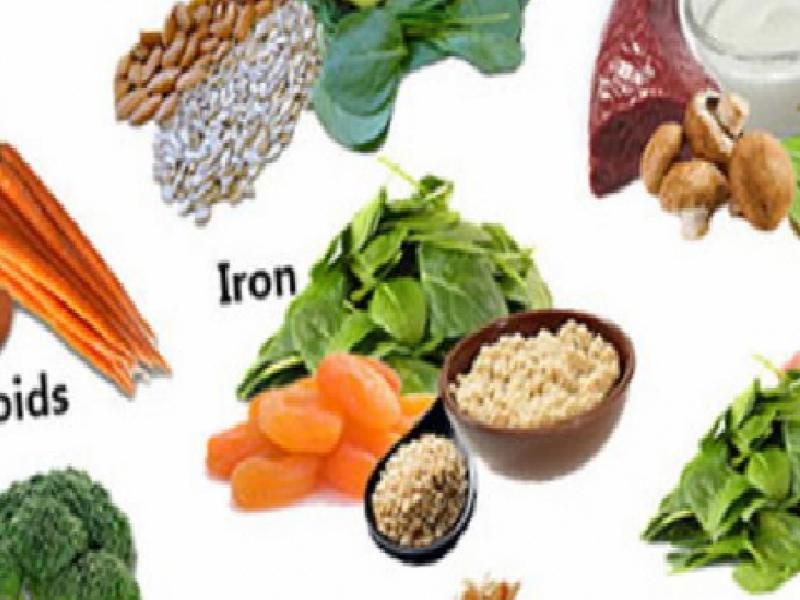
Iron: Support is recommended with complaints of anemia. Extreme weakness, redness on the tongue, shortness of breath may be symptoms of lack of breath. Red meat, fish, eggs, liver, prunes, peas, beans, molasses, Spinach, zucchini, tomato puree or paste are sources.
-
Magnesium: It has as valuable a place as calcium in strengthening the muscle system. It is also valuable in the functioning of the nervous system. Deficiency can be seen in those who suffer from absorption disorders and those who sweat a lot because it is one of the minerals we lose with sweat in hot weather. nuts, fruits (figs, dates and bananas.. etc.), vegetables (spinach, arugula, chard.. etc.) are their natural resources.
-
Zinc : Zinc; It is an essential mineral for cell metabolism, protein production, wound healing, DNA formation and a strong immune system. Although zinc is mostly found in red meat and seafood, nuts such as almonds, peanuts, vegetables such as chickpeas and beans contain enough zinc to meet the zinc requirement.
