

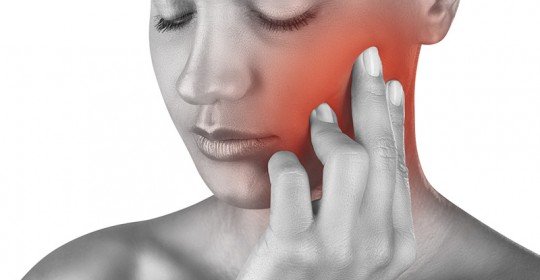
Trigeminal neuralgia is a type of neuropathic pain involving the face region and is also called “tic douloureux”. Trigeminal neuralgia is a sudden, usually unilateral, severe, short-term, stabbing pain that develops in the area covered by one or more branches of the 5th head pair (trigeminal nerve), which normally occurs in everyone. Generally, it can start with factors such as face washing, touching the face, eating, chewing. In different studies, the incidence of trigeminal neuralgia has been reported to be between 5 and 25 per 100,000. It is known to be 1.7-2.2 times more common in women. Every year, there are 150000 new trigeminal neuralgia patients in the world.
Pain is usually seen in the lower and upper jaw parts of the face, and it can occur even in children, while it is more common over the age of 50. Because the disease is not seen very often, dentists and other physicians often miss it and cannot be diagnosed, but it is usually diagnosed by neurology or neurosurgery specialists. Trigeminal neuralgia pain is a constant, burning or aching pain, giving the patient a troubled period. Some patients cannot eat or drink water due to this pain. In atypical pain, there is a continuous burning and wider area of pain, and there are no pain-free periods in atypical pain and it is more difficult to treat the patient’s complaints.
Although the actual cause of the disease is unknown, it is believed to be due to the contact of a vessel at the exit of the trigeminal nerve from the brain stem. It is thought that the disease occurs when the vein hits the nerve with each pulse. There are publications stating that it is familial, where patients have abnormal vascular structures. It is believed that there is an anomaly in the brainstem connection to the sensory nerve in the brainstem. It is thought that tumors or masses pressing on the nerve, MS disease can also do this.
Since the disease is not seen very often, dentists and other physicians often miss it and cannot be diagnosed, but it is usually diagnosed by neurology or neurosurgery specialists. Brain Magnetic Resonance Imaging (Brain MRI) can reveal the presence of tumor or MS in the patient. In the tests performed, vascular compression, which can sometimes be seen with quality MRI, can be revealed. Therefore, the diagnosis of trigeminal neuralgia is made according to the patient’s complaints. Investigations are done to rule out the presence of tumor MS or other lesion.
Activities such as eating, brushing teeth, drinking water, shaving or putting on make-up, or the breeze that touches the face in the cold, lightly touching the skin on that side, breathing with a puffy nose, laughing, talking can trigger the sudden onset of pain. It should not be directly exposed to air conditioning and ventilation. The face should be protected with a scarf in cases where it is necessary to go out to the cold air, as cold weather, exposure to the wind in the cold or eating can trigger pain. It is necessary to use a straw so that very hot or cold drinks are not drunk, and in case of drinking, it does not touch the sensitive area of the mouth.
Trigeminal neuralgia occurs in cycles. At first, attacks of pain may not be very frequent, sometimes it starts again for months, years, even though there is no pain. As the disease progresses, some patients experience constant pain on the ground, as well as lightning-like pain from time to time. The pain first starts with an electric shock and continues as a very severe unbearable pain that lasts less than 20 seconds. The pain is usually relieved by the patient’s uncontrollable grimace, which is why it is called tic douloureux (painful tic).
Epilepsy drugs are mostly used in treatment. If the patient’s complaints continue despite the medication, surgical alternatives should be used. The most commonly used surgical method is to relieve pain by eliminating the pressure caused by the vessel by using microsurgical techniques. In case of excruciating drug-resistant facial pain, neurosurgery specialists should be consulted.
In patients with trigeminal neuralgia resistant to drug therapy, percutaneous interventions on the gasserian ganglion (radiofrequency, glycerol injection, balloon compression), gamma knife surgery and microvascular decompression are recommended. The longest pain-free period is possible with microvascular decompression. In trigeminal neuralgia due to multiple sclerosis (MS), if pharmacological treatment is insufficient, applications for Gasser’s ganglion can be tried. Surgery is not recommended in patients with MS unless vascular compression is demonstrated in the Gasser ganglion.
The benefit-harm relationship of surgery must be compared. The majority of patients are relieved after surgery, so it is not possible to guarantee.
