
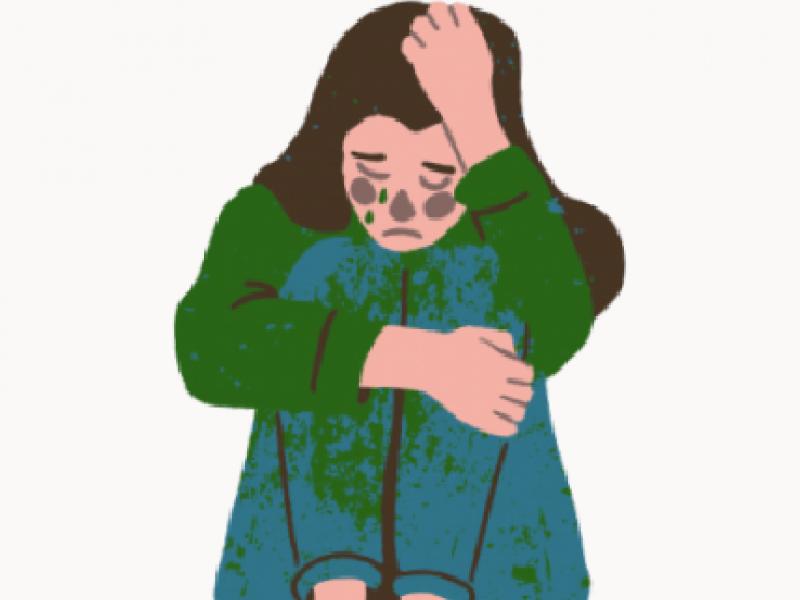
Adolescence can be defined as the biological, cognitive and spiritual change that occurs during the transition period from childhood to adulthood. This definition is a short definition that introduces adolescence in the simplest terms. The first signs of puberty are changes in the body. First, however, parents may observe a behavioral difference in their children.
Psychological changes in adolescence often begin before changes in the body occur. These changes are gender specific.
Mental Conditions in Adolescence
- Sensuality
- Aggression
- desire to be alone
- desire to be independent
- Request to be liked
- ……..
Physical and Biological Conditions in Adolescence
- Height growth
- development of muscles
- Beard formation in men
- Enlargement of breasts in girls
- sexual orientation
- ……..
Adolescents’ adaptation to this process of change may cause them to feel emotional and want to be alone. This process will directly or indirectly affect the relationship between family, peers and friends. Thoughts such as “No one understands me, I am alone in this life” will be thoughts that often occupy the mind of an individual in adolescence.
Feeling restless and unhappy frequently will also reduce the motivation to fulfill daily responsibilities. In fact, thinking that this situation stems from his hobbies, tone of voice, and dressing style, a state of self-alienation can be observed with the state of being angry with himself.
Adolescents may describe themselves as inadequate, unsuccessful, ugly and silent. The first and most important people to support them in this regard are parents. Of course, this process will force not only the children but also the parents. In this process, parents should be closer, understanding, patient and friendly towards their children. Children need to feel loved more than ever during this period.
