

Like many other devastating earthquakes, the “February 6 Kahramanmaraş Earthquake” is expected to have psychological effects, especially on those who experienced the earthquake and their relatives.
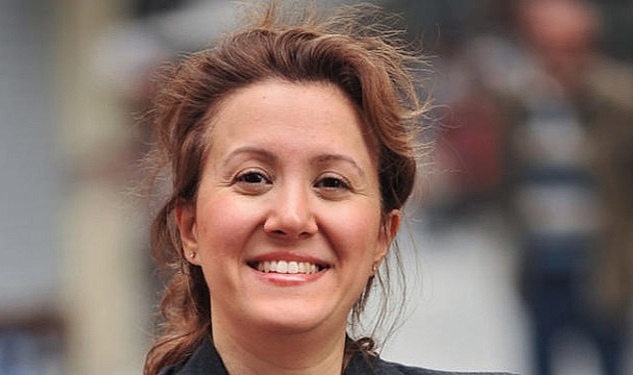
Like many other devastating earthquakes, the “February 6 Kahramanmaraş Earthquake” is expected to have psychological effects, especially on those who experienced the earthquake and their relatives. “After the 1999 Gölcük Earthquake, Prof. Dr., who gave voluntary psychological support to the earthquake victims in the region for 2 years. Duysal Aşkun Çelik established a WhatsApp support line to support earthquake victims after the Kahramanmaraş Earthquake and holds meetings for picological support every Sunday via Zoom. Professor in the USA. Dr. Aşkun Çelik notes that earthquake victims can reach the Change Group Psychological Awareness, Awareness and Unity Platform, which he founded to support social psychological needs and has been operating for more than 10 years, via WhatsApp.
Duysal Aşkun Çelik answered the main questions about the psychological effects of the earthquake and methods of coping with them:
In disasters such as the earthquake we experienced, to what extent are the first-degree relatives affected by the earthquake? Is there a scientific or information-based guess?
In my opinion, there are 4 groups in the process of being affected by the earthquake:
1. Individuals who are not physically directly affected by the earthquake but have to cope with the fear of earthquakes
2. Individuals who have experienced an earthquake before and whose fears and anxieties were triggered by this latest earthquake
3. Those who did not directly experience the earthquake, that is, those who were far from the earthquake area but lost their relatives in the earthquake
4. Individuals who survived and survived the earthquake but lost their lives…
Of course, those who have 1st degree relatives in the earthquake are greatly affected. If there is loss of life, the effect of these losses increases as the degree of closeness increases. But the size and process of being affected mostly depends on whether or not the person has any underlying psychological sensitivity. In other words, individuals who have experienced anxiety and depression before, also experiencing an earthquake trauma (directly or indirectly) may trigger an underlying, but not very obvious, psychological problem. This problem can sometimes manifest itself in the form of trauma attacks or in the form of insomnia, panic attacks or other types of anxiety attacks.
– You also experienced the Gölcük earthquake. You have done volunteer work in the region for a long time, what were your observations?
Yes, I worked in the field for 2 years. My general observation is that those who have suffered heavy loss or destruction are not very willing to seek help. What we saw during the aid work we provided at the Prefabricated Center in Yalova Çınarcık region of the Turkish Psychological Association was that those who had adaptation problems, general anxiety and even relationship problems in normal daily life sought help more. When individuals try to get help, there should be a factor that basically connects them to life so that they have hope. I think the act of getting help takes place more, according to the height of belief in change and that life will get better.
What should those affected in this process do? Especially those who have to live in the region?
If it is not possible to leave the area even for a while (because being in the same environment triggers more trauma due to reminders), they should definitely reach social and psychological support resources. According to the information I have received at the moment, the following institutions and organizations provide support to earthquake victims through volunteer psychologists:
Meb’s Psychosocial Support Team,
-Turkish Psychological Association,
-Psychological Counseling and Guidance Association,
-Worth Human Association
Prof. on Trauma and Disaster. Association founded by Dr Özlem Karaırmak
– What do you recommend? Including exercise psychiatrist medications/ or over-the-counter relaxing supplements such as chamomile tea.
Since I am not a psychiatrist, I cannot give medication advice, but individuals who experience trauma or intense anxiety should consult a psychiatrist if they experience water symptoms/symptoms:
- Experiencing intense trauma by constantly experiencing the earthquake in their thoughts, feelings, and memories
- chronic insomnia
- Excessive appetite or loss of appetite
- Anxiety and/or panic attacks
- Intense Depression symptoms, reluctance to daily life, low energy…etc.
- Having a constant fear of earthquakes (daily, hourly)
- And symptoms that we can describe as psychological disorders that seriously disrupt daily life
For additional vitamin and tea support, they can get recommendations from the websites of homeopathic specialists and family physicians. There are herbal recommendations for insomnia and anxiety.
Trauma specialists can get support from psychotherapists for psychological support. Most importantly, if they do not feel ready for therapy or other psychological support, physical and mental relaxing exercises, walking in the open air, healing music and spending time with individuals who can listen to them unconditionally and without judgment can be counted. In addition, they can become members of the ChangeGroup Psychological Awareness, Consciousness and Unity platform that we have established to better understand how to approach all these issues psychologically. I am sharing the WhatsApp group link below.
– Isn’t it very difficult to reduce the effects without leaving that area?
Yes, as I mentioned above, it is not easy to get rid of the effects of trauma by staying there because there are too many reminders, but to repeat, they can apply to the support institutions and organizations in the region where they can be reached most easily. In addition, they can use social support networks where they can easily share their feelings and thoughts. If they do not want to talk for a while, it is important not to force themselves, but to gain psychological awareness and consciousness in order to balance being alone and communicating with others. Most importantly, they should know that they are entitled to help and support, and they should not hesitate to ask for it.
– How should they reassure those whose relatives survived the earthquake but lost their relatives?
The best thing to do is to allow these people to express themselves freely. It is not always necessary to say something, especially what is said can have the opposite effect. These should be left to the experts. Sometimes nonverbal support is also very effective. Simply put, a hug, a hug, even a warm eye contact can have a very positive effect.
How should children be guided?
If children’s eating and sleeping patterns are disrupted, their daily energy levels are low, it may be good to get additional play therapy-style supports for children. Apart from this, there are various publications to raise awareness about earthquakes. We have uploaded some related resources to the ChangeGroup Psychological Awareness, Consciousness and Unity Platform that we have established. If they follow our WhatsApp group regularly, they can easily reach various support mechanisms.
– What advice would you give to those who lost their loved ones but survived themselves?
They should definitely get professional support. Especially on trauma, grief and depression. They should also do whatever it takes to improve their daily lives and should not hesitate to share what they need help with.
-Are there any institutional people that they can reach remotely for psychological help?
Yes, they can reach the institutions and organizations I mentioned above, especially the Exchange Group platform.
Source: (BYZHA) – Beyaz News Agency
