
With the arrival of Ramadan, the sultan of 11 months, everyone who wants to keep their form has one question in mind
; How can I get through this month without gaining weight? Apart from this, there are those who think “I’m going to starve anyway,
, actually I’ll get weak”. First of all, the metabolism, which goes hungry for long hours in Ramadan
, will reduce the working speed and will want to store everything
in order to be satisfied with the little food. In order to prevent this, we need to sit down to eat less frequently
, even in a short time.
Fluid intake is very valuable in sahur and iftar. Soup can be preferred as the first meal
in iftar to increase fluid consumption. In order to reduce the burden of eating too much at once
, iftar should be consumed by dividing it into two meals instead of a single meal. After the soup, wait 10-15 minutes and move on to the main
meal. After day-long fasting, fast and large meals should not be consumed at iftar, but should be eaten slowly
and in small portions.
Making a healthy sahur is a valuable
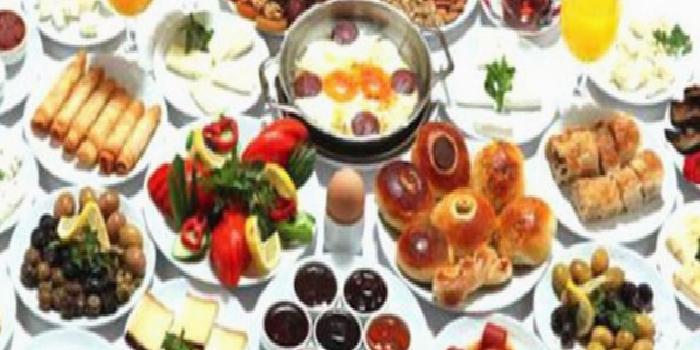
module of this process, as well as not loading up on food at iftar. Make sure to have suhoor and choose high-potency but easily digestible foods such as eggs, cheese, olives, lots of greens and whole grain breads
. Prefer Ramadan pita
, one of the indispensables of Ramadan, to reward yourself only for your special invitations. When consumed hot
, it raises blood sugar more quickly, and even a small measure contains more calories. This
should therefore not be consumed more than 1-2 times a week.
Small medium meals should be added in the middle of iftar and sahur, so that the setbacks of eating too much
at once should be prevented and the slowing metabolism should be reinforced.
Half an hour after iftar, 1 slice of watermelon and 1 glass of low-fat milk you will drink 1 hour later will activate your metabolism, which slows down
.
Especially fried foods, leavened foods (pastries), foods containing a lot of sugar and fat
, sweets with syrup, very salty or spicy dishes, delicatessen such as sausage, sausage, pastrami
products, honey/cream and carbonated drinks will protect you from indigestion that may occur at night, stomach
burns, reflux, and weight gain problems.
Since you will be dehydrated during the day, fluid needs should be met very well between iftar and sahur. For this
, at least 2-2.5 liters of water should be consumed, and fluid intake should be increased with beverages such as ayran, freshly squeezed fruit and vegetable juices, soup,
compote.
Another important rule is that foods should not be served too hot. Hot soups served after breakfast
can cause stomach ailments and have a gas-forming effect. In order to prevent this
, it is recommended to serve the dishes in a warm/hot middle and to chew as much as possible
.
