
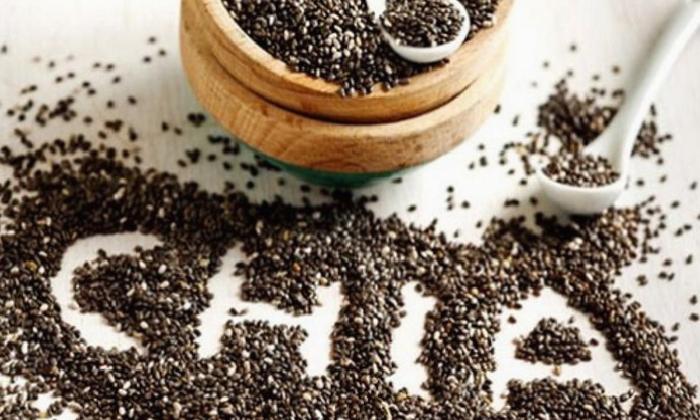
- What does science say about ‘quinoa’, which is the mother of cereals, and ‘chia’, which means strength and power, which we have heard frequently in recent periods?
- What are the nutritional contents?
- How should we consume?
- Are they really miraculous foods?
KINOA AND CHIA SEED FACTS
KINOA
Despite the changing dietary habits, cereals and their products continue to hold an important place in the diet of the world population. Cereals are a set of nutrients that we should definitely include in our daily diet. On average, it is recommended that an adult consume 6-11 servings of cereals and their products per day. Many studies have shown that with an increase in grain intake in our daily diet, the risk of developing diseases such as cardiovascular disease, type 2 diabetes, high blood pressure, colon cancer and obesity decreases.
When we think of cereals, we think of wheat, barley, rice, oat, corn, etc. and the flour, bread, bulgur, vermicelli, semolina, couscous, tarhana, etc. obtained from them. is coming. Quinoa, which has made a name for itself in recent periods, is a grassless plant with a nutritional profile similar to cereals. Quinoa, which has been grown for thousands of years with a long history and a unique aroma, has started to attract attention in Turkish cuisine, as it is preferred in world cuisine because it does not have a dominant taste and smell. It has many alternative uses from healthy snack foods to main meals.

Origin
Quinoa (Chenepodium quinoa Wild.) is a perennial herb belonging to the Gooseaceae family and its origin extends to the Andes Mountains. It formed the most important food element of the Aztecs and Incas from the ancient civilizations in this region and is known as the mother of grains.
It has thick, upright, woody stems and broad leaves with alternating (helical) arrangement, resembling crow’s feet. The leaves are lobed or toothed and often triangular. On young plants the leaves are mostly green; however, as the plant matures, they turn yellow, red or purple
Nutritional cost and properties
Quinoa can be easily used in gluten-free diets because it does not contain gluten. In gluten enteropathy (celiac), the patient is hyperallergic to gluten-containing foods. For this reason, they may experience problems when they consume gluten-containing foods.
Power cost: 100 gr ~370 kcal
Carbohydrate content: 67-74% carbohydrate, 58.1%-64.2% starch, 2.5-3.9% crude fiber
Protein and amino acid content: It contains 8-22% protein, more than 37% essential amino acids.
The protein part is heavy in the embryo, and the majority of these proteins are albumin and globulin. Quinoa contains a fairly stable ratio of essential amino acids, especially rich in the amino acid lysine, which is usually low in grains.
FAO and WHO; It has been published that the amino acid profile in the content of quinoa is ideal for children and that quinoa protein is equivalent to milk protein.
Lipid and fatty acid content: Contains 6-8% total lipid. It is rich in essential unsaturated fatty acids. It contains 50.2% linoleic, 26.0% oleic, 4.8% linolenic acid fatty acids. In addition, the high level of vitamin E, one of the fat-soluble vitamins, prevents rapid lipid oxidation. (approximately 700 ppm α-tocopherol and 840 ppm γ-tocopherol)
Mineral element content
Minarets weighing in the outer bran are higher than other cereals. Strong by calcium, phosphorus, magnesium, potassium, iron, copper and zinc; It is poor by sodium. In particular, the calcium content is quite high compared to grains such as barley, wheat and corn. In particular, the calcium content is quite high compared to grains such as barley, wheat and corn.
Vitamin content
It is also a valuable food source in terms of B vitamins and E vitamins. In the middle of the vitamins contained in quinoa; thiamine (0.4 mg/100 g), folic acid (78.1 mg/100 g) and vitamin C (16.4 mg/100 g).
Usage
Quinoa is a variety with mostly white and yellow seeds and is used in rice production. It can also be added to salads as boiled, and used cold as well as in hot dishes such as vegetables and meat. It is also used in the production of bread, pasta, biscuits, cakes and characters by turning into flour.
Consumption
Quinoa seeds should be soaked in water 30 minutes before cooking. Afterwards, it should be washed by rubbing under running water and the bitter crust surrounding it should be peeled off. For example, 2 glasses of water should be used for 1 glass of quinoa seeds. While cooking quinoa, meat or chicken stock can be used instead of water. The cooking time is about 10-15 minutes.
In fact, quinoa, which dates back to ancient civilizations and has been grown for thousands of years, was introduced to the whole world once again, with the United Nations board declaring 2013 as the Year of Quinoa in order to achieve the development goals of the next thousand years.
CHIA
The most precious food source of the Aztecs and yeasts, chia seeds originate from the seeds of a sage variety (Salvia hispanica) that grows in the fertile soils of southern Mexico and northern Guatemala. Aztecs and Mayans used chia, which means power in the Mayan language, to give them strength and power before the war. Chia seeds have two colors, white and black. Nutritional values are not very different.
Nutritional Value and Properties
Chia with its strong fiber and protein content attracts attention with its high omega 3 fatty acid (alpha-linoeic acid) content. It contains more omega-3s than flaxseed.
It is a good fiber source. It is possible to meet 1/3 of our daily fiber requirement with 2 tablespoons of chia seeds per day.
It draws water 10-12 times of its load and becomes a gel, creating a feeling of satiety in the stomach. Therefore, it is effective in providing appetite control of individuals.
At the same time, it meets 18% of daily calcium, 30% of magnesium and 27% of manganese. Especially those who do not consume milk and dairy products can add chia to their daily diet to meet their daily calcium requirement.
It has high antioxidant content. Contains quercetin, flavonoids, caffeic acid and chlorogenic acid. It does not contain gluten. It can be easily consumed by individuals with celiac and gluten intolerance.


- Chia Plant and Seed
100 GR
- Power (kcal)
490
- Pulp (gr)
37.7
- Carbohydrate(gr)
43.8
- Calcium (mg)
631
- Protein (gr)
15.6
- Phosphorus (mg)
948
- Oil (gr)
30.8
- Zinc (mg)
3.5
- Water (gr)
4.9
- Sodium (mg)
19
- Omega-3 fatty acid (mg)
17552
- Potassium (mg) (
160
- Cholesterol (mg)
- Manganese (mg)
2.2
Usage
It can be added and used in all kinds of beverages and foods. It can be consumed by sprinkling on salads, vegetable dishes, or by adding it to milk, yoghurt, soups and preparing puddings and delicious drinks.
Chia – Heart Health – Obesity – Relevance of Insulin Sensitivity
In 2009, 25 grams of chia and plesoba before the first and last meal for 12 weeks were given to 76 overweight women aged 20-70 years old. (group not given chia) was given. As a result, it was observed that there was no significant change in body mass, inflammation, oxidative stress, and blood pressure in both clusters.
In another study in 2012; In postmenopausal women, 25 g of ground chia seeds were given daily for seven weeks, and at the end of seven weeks, significant increases were observed in plasma ALA (alpha-linoeic acid) and EPA (eicosapentaenoic acid), while significant increases in DPA and DHA were not observed.
In a report published in the Harvard Health Blog, it was observed in an animal study that a high chia diet lowered LDL (bad” cholesterol) and increased HDL (good cholesterol). In the study, 8% chia seeds were added to a high-carbohydrate and high-fat diet after 8 weeks, and there was no random change in plasma lipids and blood pressure in rats supplemented with chia, but it was observed that insulin sensitivity, glucose tolerance and hepatic inflammation were reduced
KimlerChia Who Shouldn’t Consume the Seed?
High blood pressure patients using chia seeds and patients using blood thinners should not use it without consulting a physician and dietitian
As a result;
Chia seeds healthy oils, fiber Since it is rich in nutritional aspects such as antioxidants and antioxidants, it is smoothed in individuals with diabetes and heart disease. they can help with. However, research continues for the effect of the fatty acids in chia seeds on blood sugar levels
There are intentions that chia seeds contribute to weight loss, this is because the gel structure formed when it comes into contact with water is thought to help keep you full. There are not enough studies that scientifically weaken it. For this reason, chia seeds should not be used miraculously for direct dietary purposes.
In a healthy nutrition program, the variety of nutrients is very valuable. A healthy nutrition program must be in a sufficient and stable form from each food group to meet the needs of our body. A random food alone cannot meet all of my body’s needs.
