
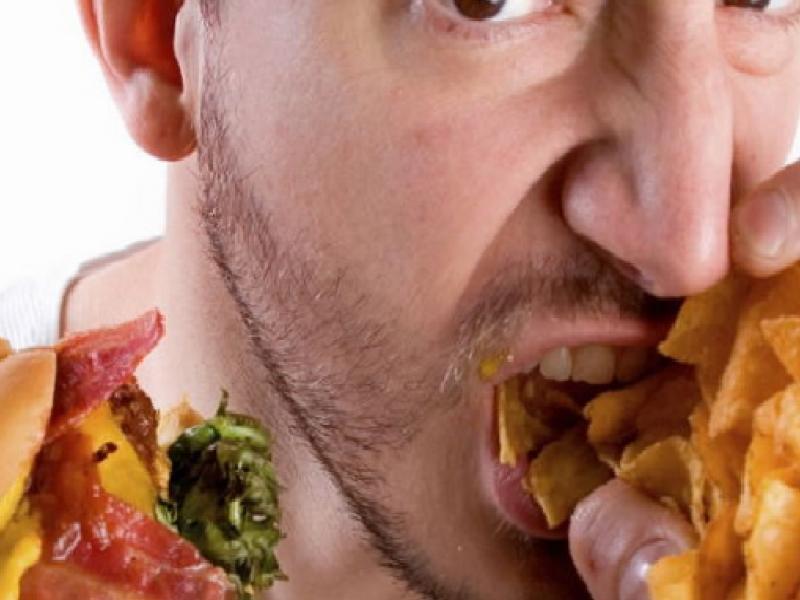
Among the eating disorders seen today, there are 3 disorders
, anorexia nervosa, bulimia nervosa, and atypical
eating disorder (uncontrolled eating and binge-eating disorder).
It is mostly seen in families with high socio-economic level. Fear of being fat,
model temptation in young girls, developmental problems, psychological factors are in the middle of the causes. Eating disorders
include vomiting with guilt, not eating with disgust, or too much to eat again
. It is released by eating.
Although it is mostly seen in young girls, it can also be seen in professions such as actors, models, stewardesses and belly dancers
and recently in men. Homosexuality, asexuality, depression, anxiety, personality disorders or
drug use are more common in individuals with eating disorders
.
Eating disorders are also common in vegetarians, athletes and those with fatal chronic diseases.
Hereditary factors, upbringing, cultural and biological characteristics make valuable contributions to a person’s development of an eating disorder
.
Eating disorders such as anorexia and bulimia, known as the disease of weakness, can leave permanent damage to the brain
, and with weight loss, there may be a decrease in brain mass and changes in the chemical
responses in the brain.
ANOREXIA NEVROSA
In Anorexia, which is also called hunger disease, individuals who are obsessed with food intake, weight and weakness
refuse food and that they are hungry even if they are thin. As they consume a diet
, their body load decreases over time. It usually starts in the adolescence period
, on average 17 years of age, but rarely over 40 years of age.
A person with anorexia,
is afraid of gaining weight, obesity is about a nightmare for them. It sets a goal to reduce the weight of people who are admired for their old weight or appearance
, different during the day. They are weighed repeatedly at times
. They consume small portions in public, they say that they are full even if they are hungry
. They lose a lot of weight in a short time. They have constipation and unsystematic menstruation problems
, they experience hair growth and hair loss problems. After consuming normal food Then they feel nausea or bloating in the stomach
. They become hyperactive, depressed, fearful and aggressive. More and more social
restrict their surroundings. They do sports or heavy training all the time.
In particular, obsessions about purity and studying can be encountered. Sexual reluctance and other sexual problems can be observed along with problems in their sexual development
.
BULIMIA NEVROSA
It is a mental illness. It manifests itself with abnormal eating habits and then shows inappropriate behaviors to prevent weight gain
, the patient vomits, laxative and diuretic drugs He takes the food he eats by making an enema
. They starve, or they train hard. Usually
is seen in the late adolescence or early adulthood.
A person with bulimia,
When he does not feel enough, is in confusion and tension, or after diets
begins to binge with a feeling of very hunger and then feels guilty after feeling relieved
take out the edible food. They disappear after the meal and often go to the bathroom
. Depressive symptoms or disorders, drug addiction or alcohol
addiction can be seen in 30%. With the stomach acid coming into the mouth, dental caries, stomach perforations, teeth marks and wounds formed during forcing to vomit on the hands
, menstrual irregularities
can be seen.
ATYPICAL EATING DISORDERS
Overeating…uncontrolled eating..
Eating without self-control is considered a disease. Like bulimics, high-calorie foods
are consumed suddenly, but they do not get rid of them. It is considered a borderline personality disorder. There is always an inconsistency in the sense of identity, state of feeling and connections of these
individuals.
In order to overcome their feelings of helplessness, they try to gain a lot of control
over their body weight, shape and eating behaviors. Anorexia nervosa is seen in those who succeed, and uncontrolled eating attacks
are observed in those who fail.
Night Eating Syndrome…Binge eating…
They take at least 25% of their daily power between dinner and mid-morning
. This may be due to sleep disorders or it can be considered as a feature of sleep apnea
. Therefore, these patients wander during the day in a drowsy state. Binge eating
is a psychiatric disease, although it is characterized by a depressive behavior, its course during the day
differs from each other. There are episodes of uncontrollable binge eating
and occur in almost 30% of obese people.
The patient is in a suitable condition when he wakes up in the morning and his mental state deteriorates as the day progresses.
TREATMENT
Eating disorders are difficult to treat. Professional help should be sought as soon as possible. The best
treatment technique is realized with a combined study
that includes medical, spiritual and nutritional consultation. The person with anorexia believes that they are not in danger and do not need help,
The person with bulimia is aware of the problem but does not want to be treated for fear of gaining weight again.
The course of treatment can take from several months to several years. However, recurrence after treatment
may still remain a problem.
