
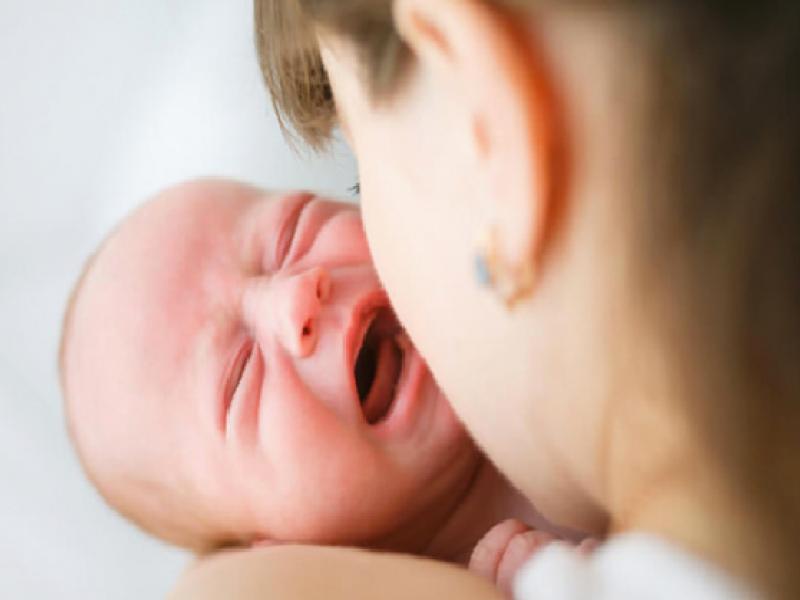

One of the health problems that threaten babies is reflux disease. If your baby is very restless, vomiting, rejecting the breast and not gaining weight, don’t say “Oh my life will pass when I grow up”! What causes reflux in babies, what are the symptoms and how does it pass? Here are all the details you are looking for about reflux disease and treatment formulas in babies, from Memorial Ataşehir Hospital, Department of Pediatric Gastroenterology, Prof. Dr. Ayşe Selimoğlu gave information about infant reflux and treatment procedures.
IF REFLUX CONTINUES ATTENTION!
Gastroesophageal reflux, defined as the actual reflux of stomach contents into the esophagus, occurs in almost 60% of infants. In babies, the fact that the valve in the middle of the stomach and esophagus is not fully mature, they are mostly in a lying position, their stomach is small and they are fed with liquid food cause reflux symptoms to be experienced frequently. It is not a reflux disease seen in infants and usually recurrent until one year of age. However, if the symptoms continue beyond 1-2 years of age or if there are signs that impair general health, it is considered a disease.
OBSERVE WHILE YOUR BABY IS FEEDING!
In infant reflux, which is considered physiological; the baby grows enough, is pleasant and pleasant, there is no sign of any disease, only after feedings, he retches the food without gagging, sometimes it leaks from the side of the mouth. This retraction occurs especially in sudden movements and in challenging situations such as raising the legs in the air during changing.
HOW DOES BABIES HAVE REFLUX DISEASE?
It can definitely manifest itself with symptoms such as nausea, vomiting, very restlessness, crying, breast rejection, throwing back while feeding, persistent hiccups, slowing down in growth, recurrent coughs, wheezing with inhalation, recurrent otitis media. With these measures, you can relieve your baby’s reflux.
There is no need for a diagnostic test for discontinuous reflux in infants. Diagnosis is made quickly with the history and examination of the baby. In the diagnosis of gastroesophageal reflux disease, the most reliable method is the 24-hour pH-meter/impedance test, known as acid measurement. Endoscopic examination is also helpful for diagnosis. Drug treatment is not required in the discontinuous reflux seen in infants.
-Be careful not to have too many meals, and to feed less and often, especially in babies fed with formula or on complementary feeding.
Do not lay the baby down quickly after feeding
– Lay the baby on the left side by raising the head of the bed 30-45 degrees.
-Avoid sudden movements, do not hold your stomach by grasping it when you take it in your lap.
-Do not wear clothes with elastic waistband.
– If she is formula-fed and vomits a lot, take advantage of specially designed reflux foods with increased consistency.
DON’T SAY “It’ll pass when you grow up”!
Physiological reflux in infants is temporary, but untreated reflux disease is dangerous; It can cause shortness in length, anemia, dental caries and chronic lung diseases, as well as stenosis in the esophagus and even esophageal cancer in adulthood.
