
Iodine is a mineral responsible for synthesizing the thyroid hormone thyroxine in our body. This hormone affects our metabolism. Since it cannot be produced by the body, it must be taken with food.
“It causes various issues when not taken sufficiently!”
When not taken at an adequate level, it causes problems such as endemic goiter, hypothyroidism, hair loss and skin dryness. As it can cause miscarriage or premature birth in pregnant women with iodine deficiency, it also causes problems in the development of growth and mental functions in babies. Learning difficulties, cretinism (physical dwarfism, dental problems and mental retardation) occur in children.
“The use of iodine supplements should not be recommended until its deficiency is detected.”
Excessive iodine intake can also cause hypothyroidism and autoimmune thyroid disorders and lead to poisoning. The use of iodine supplements should not be recommended without detecting its deficiency. Iodine is absorbed from the stomach and small intestines. Since some of the iodine taken is excreted in the urine, it can be determined whether it is at a sufficient level in the diet by looking for iodine in the urine.
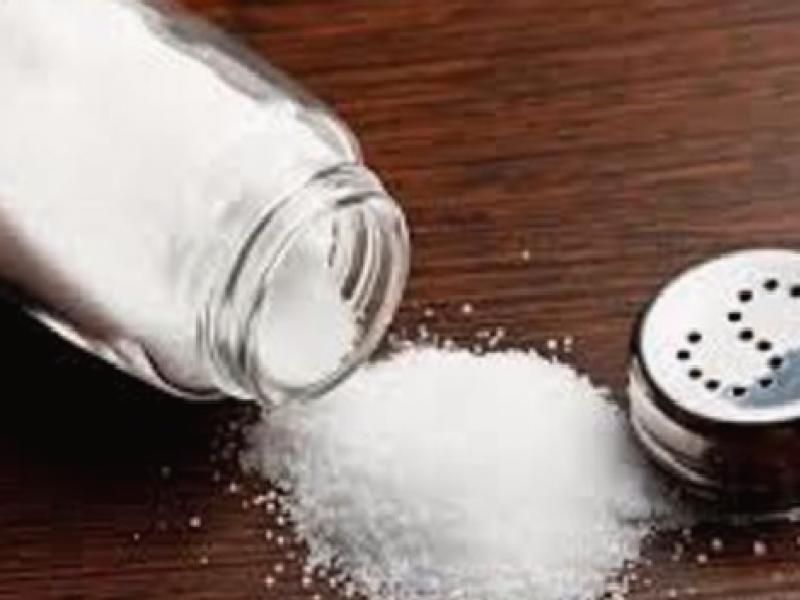
“Iodine is added to salt to prevent iodine deficiency in soil and water.”
With the scientific studies carried out in the field of public health in our country, it is the easiest and cheapest method applied worldwide in order to prevent problems such as endemic goiter, etc., where soil and water are insufficient in many places, and therefore, it is easily accessible and accessible to everyone. led to the decision to ionize salt, which is widely consumed. Production of iodized salt in our country started in 1952. However, this was not a requirement in the beginning, and its legal obligation began in 1998 by being published in the official newspaper. Afterwards, for those who should not consume iodized salt, a regulation was made that allows the production of non-iodized salt in 250 g packages.
Who Should Consume Non-iodized Salt?
Hyperthyroid patients, those with nodular goiter, and graves disease should consume non-iodized salt. Everyone else should consume iodized salt. In scientific studies; Experimental findings demonstrating the ability of iodine or iodine-rich seaweed to inhibit breast tumor growth are supported by the relatively low rate of breast cancer in Japanese women consuming a diet high in iodine-rich seaweed. However, there is now no direct evidence that iodine, iodine compounds, or a combination of iodine and selenium is an anti-carcinogenic element in the Japanese diet (1). Many publications and studies have been and continue to be made on the iodine-cancer link. In case of iodine deficiency, there are findings in the form of triggering the formation of cysts and cancerous structures in tissues such as thyroid, breast, prostate and ovary.
“Iodine has a volatile nature, iodized salt should be stored in dark glass jars, closed and out of light.”
Iodine rate is low in herbal sources grown in soils not near the sea in individuals who have a herbal diet. Iodine has a volatile nature. Iodized salt should be stored in dark glass jars, closed and out of light. Transparent glass salt shakers and jars should not be used.
“We should consider foods that are natural sources of iodine.”
Apart from our intake by iodizing salt, other iodine source foods are fish, shrimp, sea beans, seaweed, eggs, sprouted legumes, prunes, dill, garlic, spinach, chard, milk and yogurt, and strawberries.
“Iodine supplementation should not be used without detecting iodine deficiency and without a doctor’s recommendation.”
Iodine requirement: “The daily iodine requirement of an adult and young people is 150 mcg, and 90 mcg in children. The need is 220 mcg during pregnancy and 290 mcg during lactation.” One teaspoon of salt contains 400 mcg of iodine. There are predictions that iodine, bromine, fluorine and chlorine can prevent the passage of iodine, just as its absorption from the road is the issue. These include detergent, cleaning materials, toothpaste, etc. we take it into our body without realizing it many times with the elements. In addition to all these, it is a fact that the excretion of fluorine from the body is not a matter of speech. We should pay attention to the signs of the presence of iodine deficiency. The clinical signs and symptoms of iodine deficiency are stated as:
-
Depression
-
Weight loss trouble
-
Dry skin
-
Headache
-
Fatigue
-
Forgetfulness
-
Menstrual problems
-
Hyperlipidemia (high blood fats)
-
Recurrent infections
-
Sensitivity to cold
-
Cold hands and feet
-
Confusion
-
Thinning hair
-
Constipated
-
Shortness of breath
-
Kidney functions decrease
-
Muscle weakness, joint stiffness
It is not true to say that there is an iodine deficiency just by looking at these symptoms and signs. In conclusion, if I say; Iodine supplementation should not be used before iodine deficiency is detected and recommended by the doctor.
