

Stating that each child’s reaction to disasters is different, experts state that reactions such as aggression, argumentation, bullying, and being quiet and withdrawing can be seen.
Saying that parents have the opportunity to correct misunderstandings in children’s minds, Expert Clinical Psychologist Dr. Gökçe Vogt recommends that children be told that crying and sadness are okay, that they are safe, and that they are allowed to grieve for their loss.
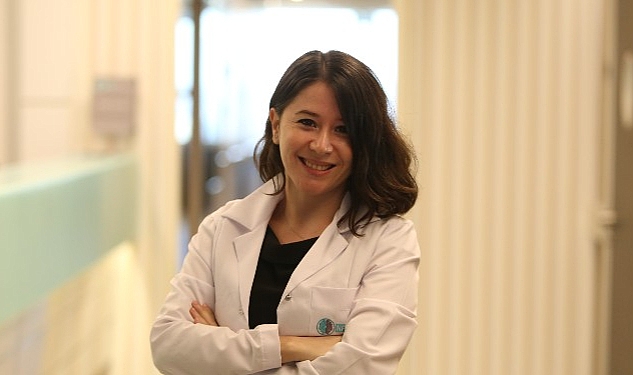
Üsküdar University NPİSTANBUL Hospital Specialist Clinical Psychologist Dr. Gökçe Vogt talked about the way children react to disasters and gave important advice to parents.
Every child reacts differently to disaster
Stating that each child reacts differently to a disaster, Expert Clinical Psychologist Dr. Gökçe Vogt continued his words as follows:
“After a disaster, children can experience strong emotions such as fear, sadness, anxiety, feeling lost and alone. It is normal for them to have such feelings and they should be allowed to express them. Sometimes children, especially younger ones, find it difficult to express their feelings with words and express them with their actions. Some children deal with their emotions by being aggressive. They may argue or fight with classmates and siblings, stop following home or school rules, bully others. Some children are afraid. They may be afraid of things they weren’t afraid of before, or they may become quiet and withdrawn. Some children may even start to stutter. Some children develop bodily responses. They feel a headache or stomachache even though they have no medical problems. Some children have trouble sleeping, have nightmares, or have trouble concentrating at school. Adolescents, in particular, may begin to display risky behaviors.”
Parents can correct misunderstandings
Stating that in general, children should be given age-appropriate information about what is happening and what will happen, Specialist Clinical Psychologist Dr. Gökçe Vogt said that parents also have the opportunity to correct the misunderstandings in children’s minds during this information process, and listed his recommendations as follows:
– Take the time to listen to him and share his feelings with you. Sharing your own feelings will also motivate him to express his feelings.
– Say it’s okay to be sad and cry. ‘You seem like you don’t want to do anything, I see you’re upset. In such cases, it is normal to be sad’ and make him feel that you understand him and reflect his feeling.
– If the game is old enough, you can create an opportunity for him to share his feelings with you by means of non-verbal expression such as drawing or puppetry.
– Parents who have children in the preschool period, try to keep your children away from noise and confusion as much as possible. Try to give her the opportunity to have control over the little things like her choice of clothes.
Avoid exposure to social media images
Emphasizing that the child should be given hope and reassurance that everything will be fine and safe, Expert Clinical Psychologist Dr. Gökçe Vogt said, “Remind him often that he is safe. Hug him often and spend more time with him. Let your child grieve for the person, animal or property they lost. Be there for him, don’t expect him to be strong and let him be sad. Try to return to your old routines such as bathing and sleeping as quickly as you can. Starting school will help her return to her routine. He can also share his feelings and thoughts with his friends at school. Adolescents feel empowered and validated when they participate in helping activities. So guide them to get involved in these activities. Another issue to be considered in particular is that exposure to images on social media should be prevented. Unfortunately, this situation can lead to secondary traumatization of children.
Source: (BYZHA) – Beyaz News Agency
