
Studies done; It shows that breast cancer is the second most deadly disease in women in the world. In the type of breast cancer that develops dependent on the female hormone estrogen, treatments are applied to prevent the formation and effect of this hormone. However, in this non-hormone-dependent (estrogen receptor negative) type, the benefit of such approaches remains finite. Therefore, studies are continuing to discover more active spies.
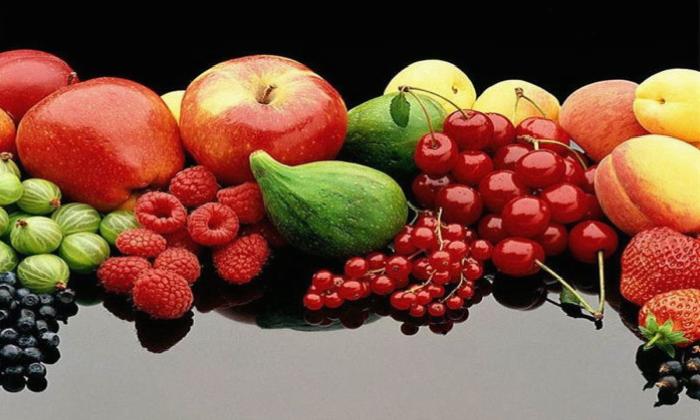
Field studies reveal that nutrition form, especially the use of fruits and vegetables, plays an important role in the development of breast cancer, as in many cancer types. In this regard, the effect of anthocyanins, which are plant components with antioxidant effect and phenolic structure, is remarkable. These types of plant components, which give fruits and vegetables their red, purple and shades of colour, have protective effects against the development of cardiovascular diseases as well as cancers due to their experimentally demonstrated anti-inflammatory, antioxidant and chemopreventive effects. Studies have shown that it kills cancer cells by preventing the proliferation and vascularization of cancer cells.
Likapa fruit, which is one of the strongest sources of anthocyanin content and attracts attention with its purple-colored fruits close to black, is unfortunately not in demand in our country, although it is grown in the Eastern Black Sea Region. In a newly published study, the effect of extract prepared from fresh fruits on breast cancer cells was examined. It is reported that the anthocyanin extract of the fruit kills breast cancer cells at concentrations that are not toxic to the cells, and this effect is independent of the estrogen hormone.
Alcohol consumption can increase the risk of breast cancer
Both field studies and experimental studies have found a direct link between breast cancer development and heavy alcohol consumption. It has also been experimentally observed that free radicals accumulate in the intercellular space with alcohol intake. It is claimed that cyanidin-3-glycoside, one of the anthocyanins in red-purple fruits such as likapa, destroys these wasted radicals due to its strong antioxidant effect and therefore prevents oxidative damage in breast cells, thus providing defense against cancer. On the other hand, it has been observed in studies that the effect of vitamin C or other antioxidants in removing these harmful radicals caused by alcohol is limited.
