
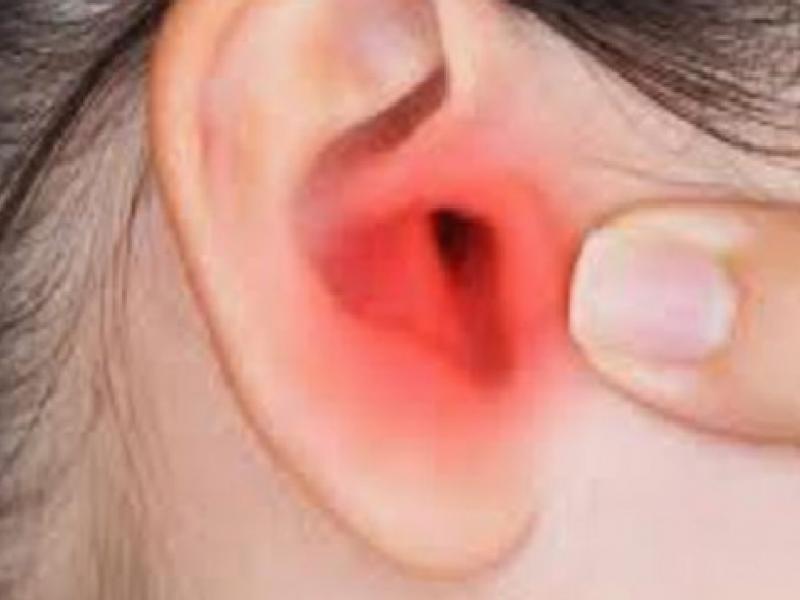
This disease, which is defined as serous otitis or otitis with effusion, is called the accumulation of fluid behind the intact eardrum without signs of general and local infection in the middle ear. The consistency of the liquid thickens over time. It often occurs after an acute middle ear infection. After infection, the fluid behind the eardrum disappears over 90% within 1-3 months. However, in the presence of certain risk factors, there may be fluid accumulation that lasts longer than 3 months, this situation is called chronic otitis media with effusion. A number of bacteria have been produced in clinical studies from the liquid.
Risk factors
-
Recurrent upper respiratory tract infections
-
Eustachian tube dysfunction
-
Adenoid enlargement (Adenoid hypertrophy)
-
pressure trauma
-
Nasopharyngeal cancer
-
History of head and neck radiotherapy
-
Allergy
-
immune system disorders
-
Head and neck congenital developmental disorders
It is the second most common ear disease after acute middle ear infection in childhood. Generally, the first complaint is hearing loss. This is why it is difficult to diagnose in patients, especially when it is unilateral and in young children. A detailed ENT examination and some hearing tests are required for diagnosis.
The importance of this disease, especially in the childhood school age cluster, chronic fluid accumulation results in hearing loss and negatively affects the social, school and academic life of the child. In addition, long periodic fluid accumulation changes the pressure in the middle ear and causes collapse and melting of the eardrum. As a result, chronic ear infections with discharge and even cholesteatoma occur. Therefore, it is a disease that needs to be treated and followed closely. In the treatment, primarily drug (medical) treatments are tried. These; antibiotics, steroids, antihistamines and decongestants. The so-called autoinflation is used as an alternative to sending air into the middle ear by giving pressure to inflate the balloon. Surgical treatments are used in the presence of drug-resistant and risk factors. The type of surgery should be patient-specific.
Types of surgery
-
Scratching the eardrum (Myringotomy)
-
Inserting a tube into the eardrum (Ventilation tube application)
-
Adenoid removal (Adenoidectomy)
-
Opening the Eustachian tube with a balloon (Eustachian balloon tuboplasty)
