
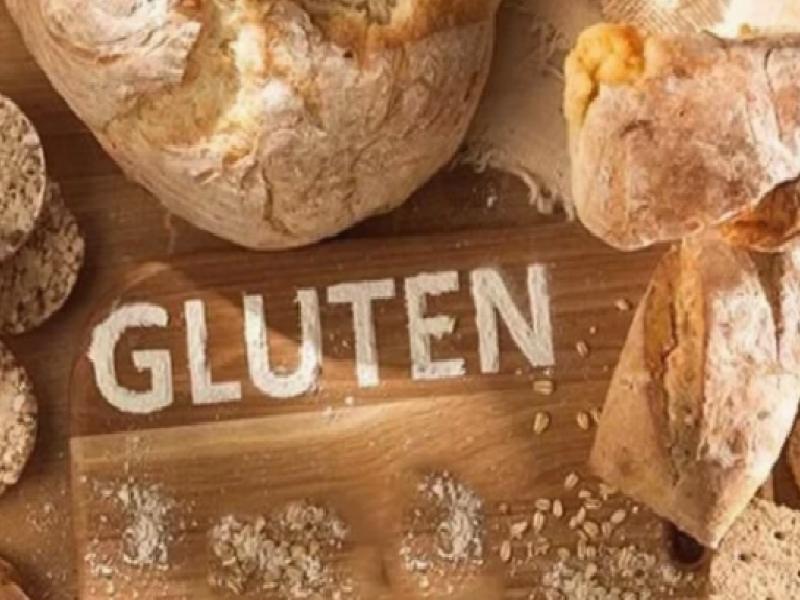
What is gluten and why do we avoid it?
Gluten is a protein found in grains such as wheat, barley, rye, and oats. This protein causes discomfort by disrupting the intestinal structure in people with “celiac” disease, whose name we have started to hear frequently recently. The term gluten-free nutrition also enters our lives with the nutritional treatment of celiac disease; Because in diseases such as celiac and gluten sensitivity, all gluten-containing foods are removed from the diets of patients during the nutritional therapy phase. But recently, we see that gluten-free nutrition has started to be applied by people who do not have any health problems.
We can say that in addition to the popular nutrition approaches of the new era and the diets applied for body weight loss, it is also a way of eating that is tried to be made into a lifestyle.
What is the effect of gluten-free diet on our diet content and health?
When we look at the general diet pattern, carbohydrates, protein and fat, which are macronutrients, are given as balanced as possible in the nutritional treatment of celiac patients, but the gluten-free diet, which is adopted as a popular lifestyle by healthy people, has more fat (especially the type of saturated fat we do not want) and less carbohydrates than the normal diet. We see it contains. In fact, due to the perception created, people prefer not to consume carbohydrates at all.
As a result of gluten-free nutrition, we prefer alternative carbohydrates such as corn and rice, especially due to not using wheat. Since such cereals have a high glycemic index and due to a uniform diet, we encounter more negative effects on health. For this reason, people with insulin resistance, pre-diabetes or diabetes patients should consider the glycemic index factor for their health when switching to a gluten-free diet.
In gluten-free diets, although the intake of polysaccharides, which is beneficial for us and a type of carbohydrate, decreases, our fiber intake also decreases. It is reported in various studies that with the decrease in fiber intake, there is a decrease in the number of beneficial bacteria in our intestines and an increase in the number of harmful bacteria.
The most striking point in the content of packaged gluten-free products we see on the market shelves is the high energy, high fat and high sugar rate. Due to the increase in the consumption of these products, the energy intake increases and the healthy diet pattern deteriorates. As a result, the increase in body weight is triggered, and gluten-free products may be insufficient in terms of some vitamins and minerals. This is actually one of the important points.
So what do we do now?
Removing gluten from the diet of people with celiac or gluten sensitivity is the only treatment for them. In addition to the effects of gluten-free nutrition on these individuals, studies are also carried out in the scientific world to treat various diseases such as autism, obesity, depression and migraine, or to reduce their symptoms. In addition, research continues on how gluten-free nutrition causes effects on athletes and healthy individuals, and these studies give conflicting results. This means that there is no proven scientific data that we can say that a gluten-free diet improves our health even more.
In conclusion, we can say that if you feel any discomfort (bloating, indigestion, etc.) especially after consuming wheat-containing products, or if you THINK you have, please share this with your doctor. If you do not feel discomfort, we can say that there is no reason to remove gluten from your diet yet.
Gluten-free nutrition has become a hot topic, sometimes under the influence of social and visual media, sometimes under the name of “alternative medicine” or “clean nutrition”, mostly with the effort of people who have nothing to do with nutrition to stay on the agenda. In fact, our changed lifestyle can also harm us, after people who are not even nutritionists claim that it is healthier. That’s why I recommend you to consult dietitians, who are the only competent people in their field, in a situation related to your nutrition.
While we want to protect and improve our health, I say let’s not lose our health. I wish all of us healthy days…
