
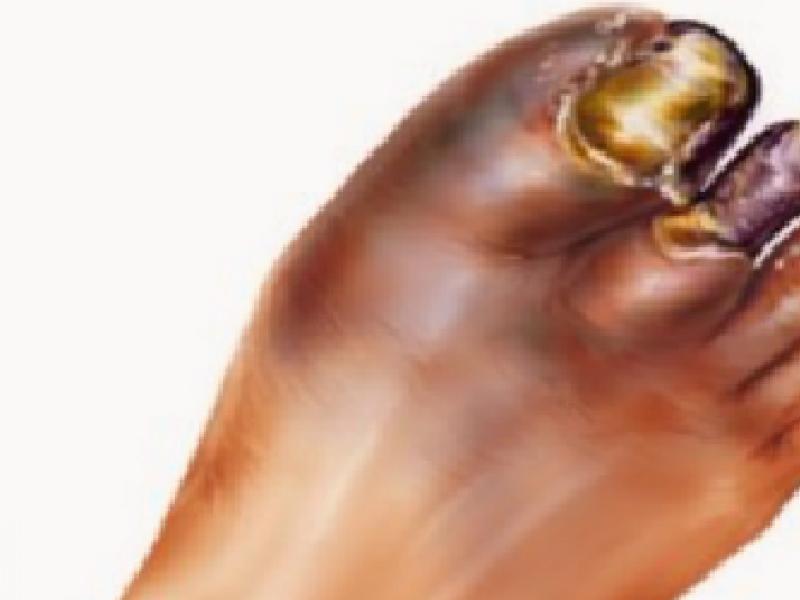
Burger’s Disease
Pain known as claudication (claudication), which manifests itself with movement and walking, is the typical finding of Burger’s disease. The fingers, hands and feet of the patients are usually cold. Pulses in the limbs are often weak or absent on examination. Walking may cause pain in the soles of the feet and in the leg muscles. This pain begins when walking, as in other vascular occlusions, and goes away when resting. It is very difficult to walk fast and go uphill. It is essential that the patient does not force more and rest during the pain.
There may be coldness and numbness in the hands and often the toes. As the disease progresses, ischemic ulcerations and wounds may develop due to pain at rest and insufficient blood supply to the relevant tissue.
In Burger’s disease, blood flow to the fingers, arms and legs is reduced. As a result of a kind of inflammation of the veins, clogged with clot, wounds that progress and do not get enough blood and the tissue that is not fed can cause severe pain. As the disease progresses, sores may develop on the toes and heels. The nutrition of bone and related structural tissues, including the fingers, may be disrupted and turn into gangrene.
SYMPTOMS OF BURGER’S DISEASE
Burger’s disease begins by causing your arteries to swell and blood clots to form in your blood vessels. This restricts normal blood flow and prevents blood from fully circulating through your tissues. This causes tissue death because the tissues are deprived of nutrients and oxygen.
Burger’s disease usually begins with pain in the affected areas, followed by weakness. Symptoms include:
- pain that may come and go in your hands and feet or legs and arms
- open sores on your toes or fingers
- inflamed veins
- Pale toes or fingers in cold weather
BURGER’S DISEASE TREATMENT
Smoking has an important place in the onset and progression of the disease. Early diagnosis and treatment of patients is important. The most important step in the treatment is the cessation of smoking and passive smoking. When smoking cessation and adequate palliative treatment are performed, the wounds heal, do not reopen and the risk of amputation can be reduced.
Undesirable clinical pictures that result in the loss of limbs such as legs, arms and fingers may develop in advanced patients for whom treatment is not provided or insufficient. Vascular burger disease, circulatory failure, diabetes, vascular problems, cholesterol imbalance and genetic predisposition observed in smokers contribute to the development of the disease.
The superiority of medical ozone therapy has been proven in the treatment of wounds on the limbs as a result of blood circulation disorders. Successful results can be obtained in the treatment of the disease with the right applications made with medical ozone and stem cell therapy as well as other modern and alternative medicine treatments.
Among the classical medical interventions, treatments such as prostaglandin analogues, sympathetic blockade and revascularization can be applied.
