
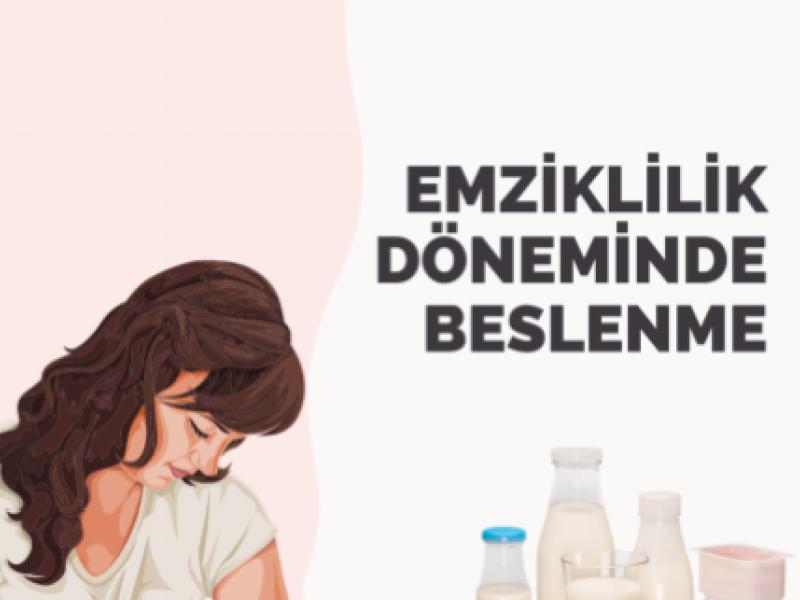
Nutrition During Lactation
The nutrition of the mother during breastfeeding is very important for the growth and development of the newborn. A nursing mother needs to consume a balanced and nutrient-dense diet that meets her individual needs and the needs of the baby.
Why is maternal nutrition important during breastfeeding?
Breast milk is the primary source of nutrition for the newborn and it is important that the milk be of high quality. The quality of breast milk depends on the mother’s diet, and the mother’s lack of adequate nutrients can affect the quality and quantity of breast milk. In addition, nutrient deficiency can also affect the mother’s health and quality of life. A nursing mother needs to consume a balanced and nutrient-dense diet that includes plenty of fruits, vegetables, good-quality protein sources such as eggs, whole grains and healthy fats.
Adequate intakes according to TUBER 2015 data:
Vitamin A 1300 mcg, Vitamin B6 2 mg, Vitamin B12 5 mg, Vitamin C supplementary 60 mg, Vitamin D3 15 mcg, Vitamin E 11 mg, Vitamin K 90 mcg, Folate 500 mcg, Niacin 6.7 mg/1000 kcal, Thiamine 1.4 mg, Riboflavin 1.6 mg, Biotin 45 mcg and Pantothenic acid 7 mg.
The need for energy and nutrients during breastfeeding is higher than during pregnancy. The milk secreted by the mother during breastfeeding is a product of the foods consumed by the mother. The amount of energy and nutrients required for milk production should be considered in addition to the mother’s own needs. The energy and nutrients of the milk secreted by the mother are provided by what the mother eats and her own stores formed during pregnancy.
- Vitamin D: It is recommended to be continued during pregnancy and used during breastfeeding for at least 6 months after delivery.
- Iodine: The iodine requirement of pregnant and lactating women (200-250 mcg/day) must be met.
- Elemental iron supplementation: It is recommended to start 40-60 mg/day elemental iron supplementation starting from the gestational week and to be given for a total of 9 months, 3 months after delivery.
- Water: It is recommended to take 750-1000 mL (3-4 glasses) of additional liquid.
- Daily caffeine intake should be at most 200 mg/day (approximately 2 cups instant coffee or 4-5 cups tea).
Tips for maintaining a healthy diet while breastfeeding:
- Plan meals in advance; Make sure they are balanced and nutritious.
- Snack on fruits, vegetables and healthy fat sources such as walnuts and almonds throughout the day.
- Avoid skipping meals or restricting your calorie intake.
- Limit your caffeine and alcohol intake, as they can pass through breast milk to the baby.
In conclusion, maternal nutrition during breastfeeding is important for the growth and development of the newborn. A nursing mother needs to consume a balanced and nutrient-dense diet that meets her individual needs and the needs of her baby. By following these tips for healthy eating, a nursing mother can ensure that her breast milk is of high quality. It is important to protect their own health and quality of life. It is recommended to get support from a nutritionist on this issue and it is very important.
