
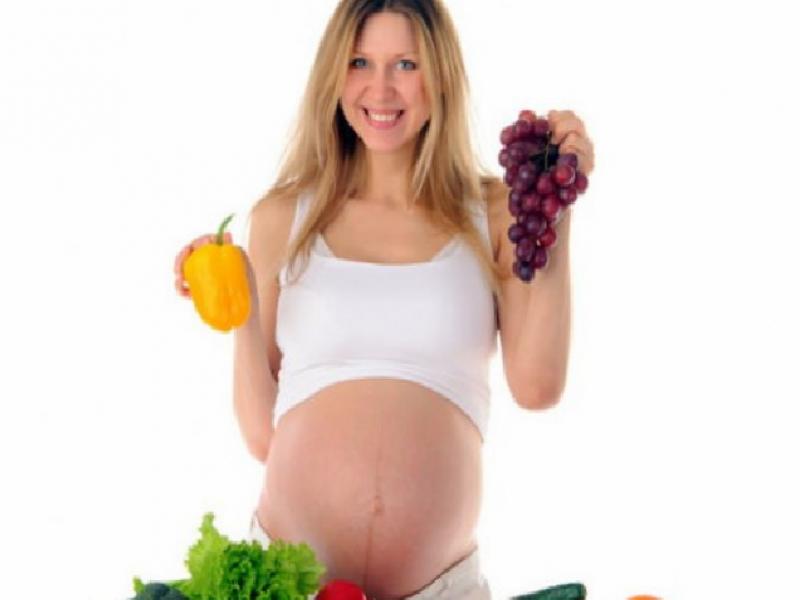
Nutrition during pregnancy is a valuable bet that expectant mothers should keep. In this period, you need to be even more careful for the healthy development of your baby and for your health. By eating adequate and stable nutrition and keeping your physical activity at the appropriate level, you will both contribute to the development of your baby and harmonize with the changes brought by pregnancy.
FIRST 3 MONTHS
If you started pregnancy overweight, you do not need to increase your calorie intake in the first trimester. However, diets that may cause weight loss should be avoided. Proper weight gain will affect your baby’s birth load, so you should be sensitive about this bet.
SECOND 3 MONTHS
In order to meet the increasing need for power in this period, pregnant women should increase their daily power intake. In this period, when the baby starts to grow rapidly, the needs of your body have also increased. Your body will store its power and vitamin needs for use during breastfeeding. For this reason, your nutrition in this period is very valuable for you to spend the breastfeeding period comfortably.
THIRD 3 MONTHS
Your weight gain continues to increase. This is the period when your baby grows the fastest. It is very common to encounter problems such as swelling in the feet and hands, frequent urination and constipation. It is possible to minimize these complaints by re-feeding.
HOW SHOULD WE GAIN SCALE IN PREGNANCY?
Appropriate weight gain during pregnancy is valuable because your baby’s birth load depends on your weight gain throughout your pregnancy. Insufficient weight gain (less than 6 kg) during pregnancy increases the chances of giving birth to a low-birth-load baby. Women with normal weight gain often have fewer problems than women with more or less weight gain. Weight gain is valuable in order to harmonize the changes in the pregnant woman’s body. In addition to the baby’s weight, increased blood volume, enlarged breasts, placenta, and amniotic fluid contribute to the mother’s weight gain. Normal weight gain during pregnancy for healthy adult women is in the middle of 10-14 kg (1-1.5 kg per month).
SUFFICIENT AND STABLE NUTRITION IN PREGNANCY
STRENGTH: After the first 3 months, around 300 calories per day should be taken for the development of a healthy baby. While you need 2000-2200 calories per day to maintain your pre-pregnancy load, the daily power measure you need to take at the moment with an additional 300 calories during pregnancy is approximately 2300-2500 calories. The biggest source of energy is carbohydrates as they can turn into power quickly and efficiently. Bread, pasta, bulgur and fruits are strong sources of carbohydrates. Avoid consuming foods that provide calories but low in nutritional value.
PROTEIN: A developing baby’s body cells, changes in the mother’s body, and especially the placenta, need protein. The growth of the baby in the mother’s womb means an average of 950 g of protein accumulation. So when you’re pregnant, you need an extra 20 grams of protein per day (or 1.2 g/kg). While the recommended protein for non-pregnant women is 50-60 grams, it increases to 70-80 grams during the pregnancy period. If you are consuming 3-4 servings of protein, milk, yogurt, cheese, meat, chicken or fish a day, you are meeting this need.
For your baby’s brain development, definitely consume fish twice a week.
IRON: In order to meet the increased need for iron during pregnancy, 20 mg of iron should be taken in addition to the usual need. It is valuable to include foods rich in iron (such as red meat, poultry, legumes, dried fruits, molasses, whole grains and enriched grain products) in the nutrition program during pregnancy. However, it is also very valuable to provide absorption as well as iron intake. Therefore, taking foods containing vitamin C along with iron-containing foods will increase iron absorption. For example: molasses and orange juice or molasses and kiwi can be eaten. Consuming salad with meals is valuable for iron absorption. In addition, tea and coffee should not be drunk with meals, as it prevents iron absorption.
CALCIUM: Sufficient intake of calcium, which forms the bone structure during pregnancy, helps the development of the baby’s skeletal structure and the preservation of the mother’s bone mass. Adequate consumption of calcium during pregnancy protects you from the risk of osteoporosis in the next period. The daily calcium requirement of pregnant women is 1000-1300 mg. Milk, yogurt, cheese, molasses, hazelnuts, legumes, green leafy vegetables are strong sources of calcium. A glass of milk provides you with 240 mg of calcium.
FOLIC ACID: Folic acid sources can be listed as dark green leafy vegetables, cauliflower, meat, milk, yogurt and derivatives, eggs and cereals. Low-birth-load infants, neural tube defects, and maternal megaloblastic anemia may occur with insufficient intake of folic acid. The need for folic acid increases significantly during pregnancy and the daily requirement almost doubles. It is recommended for expectant mothers to start using folic acid at least 1 month before becoming pregnant.
WATER: Fluid intake is an essential bet that should not be neglected during pregnancy. It is a part of the body’s transport system and ensures the transport of nutrients to its cells. It allows some wastes to be removed from the body. Take care to drink 8-10 glasses of water daily for increased blood volume for you and your baby.
SOME DISEASES SEEN IN THE PREGNANCY PERIOD
NAUSEA: Nausea, which is mostly seen in the first trimester of pregnancy, is caused by hormonal changes, especially the increase in estrogen levels. There are several ways to reduce nausea in pregnancy;
-
When you get up in the morning, consume starchy foods such as crackers or plain toast
-
Get up slowly when getting out of bed
-
Eat little and often during the day
-
Avoid foods with high fat content
-
Eat slowly while you are eating and eat chickpeas to relax you in the middle of the meal You can eat.
-
Stay away from spicy foods and food odors, foods that bother you
CONSTITANCY: Hormonal changes during pregnancy cause your bowel muscles to relax and your bowel movements to slow down. causes. This can result in constipation. Iron supplements used can aggravate constipation even more.
-
Consume foods with high fiber content. Increase your fiber amount by consuming at least 5 servings of vegetables and fruits, whole wheat bread, whole grain products and legumes twice a week.
-
Increase your daily fluid consumption. You should drink at least 8-10 glasses of fluid a day.
-
Prunes, prune juice and figs can prevent constipation due to their natural laxative effects.
-
Regular physical activity ensures that bowel functions are normal. Walking, swimming and light exercises are the best exercises that can be done during pregnancy.
HEART BURN (BREAK): Heartburn, which is mostly seen in the last three months of pregnancy, is caused by the pressure of the baby on the digestive organs.
-
Consume your meals little by little and often.
-
Avoid foods with high oil and sauce.
-
Caffeinated beverages such as tea, coffee, cocoa should not be consumed as they may cause nausea and heartburn.
-
You can take a walk after meals to suppress gastric secretion.
-
You should keep your head high while sleeping and choose comfortable clothes.
