
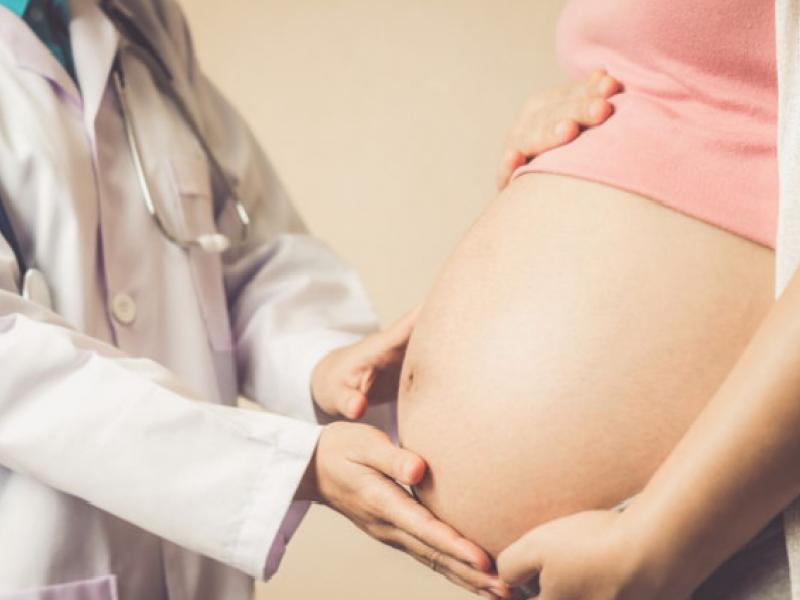
The physical and mental growth and development of the baby in the mother’s womb is possible with the mother’s adequate and stable nutrition throughout her pregnancy. During pregnancy, there may be premature (premature) birth, babies with low birth load (under 2500 grams), babies with insufficient physical and mental development, and dead births due to inadequate and unstable nutrition of the mother.
The nutritional requirement of the fetus in the womb is provided through the placenta, which is a special organ formed in the mother with pregnancy. If the vitamins, minerals, protein and other nutrients taken by the mother are insufficient, the mother’s stores are used to ensure adequate nutrition of the fetus. For example, if the mother receives insufficient calcium, calcium begins to be withdrawn from her bones (osteomalacia), and when she receives insufficient iron, the requirement tries to be met from iron stores, and in this case, the mother’s blood iron values decrease (anemia).
Since a new creature will grow and develop in the body during pregnancy, the daily power, protein, vitamin and mineral needs of the mother naturally increase. In fact, since some vitamin and mineral requirements cannot be met through food alone, your obstetrician may also offer some additional vitamins and minerals, such as folic acid and iron preparations, starting from the first weeks of pregnancy. The average servings of nutrients required for the requirements of a healthy pregnant woman are shown in the table.
Daily Nutritional Consumption Amounts Required for Pregnant Women
The most valuable issue to be emphasized regarding the power requirements is 1-1.5 kg per month compared to the gestational month, taking into account the initial load of the pregnant woman. Although weight gains in the first 1-3 months (may vary in multiple pregnancies) are considered normal, if the mother’s weight before pregnancy is normal, the usual power need is supported by 150 calories in the first 1-3 months, and an additional power of 300 calories between the 4th and 9th months. No extra power base is provided. If the mother is very obese, power restriction can be made up to the first 3 months, but this restriction should not be less than 1200-1500 calorie intake. From the 4th month, the expectant mother is no longer weakened.
In pregnancy, the close environment of the mother-to-be said, “Eat a lot with two creatures!” It will not be beneficial for the baby to direct the pregnant woman to use more and unstable power than she needs, but on the contrary, it may affect the health of the baby and the mother negatively, making birth difficult. Let’s not forget that pre-pregnancy nutrition should be stable and sufficient to prepare for a healthy pregnancy. Healthy and satisfied pregnancies.
