

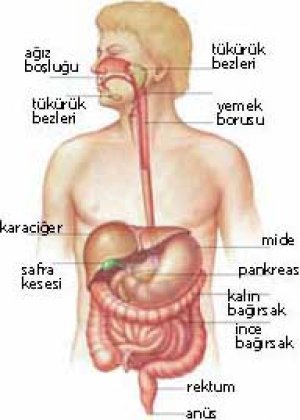
WHY DO STRICTURES OCCUR?
Stenosis can occur in our digestive tract for various reasons:
-Diseases
-Previous surgeries
-Radiation therapy can cause stenosis.
WHAT METHODS ARE TREATED FOR STRICTURES?
Strictures in the digestive tract:
-Endoscopic balloon dilatation
-Stent insertion
-Can be treated with surgical methods.
These strictures can occur in the esophagus, stomach inlet or outlet parts, or intestines.
1) DILATATION OF ESOPHAUS STRICTURES
Esophageal (esophageal) dilatation is the enlargement of the esophagus that is narrowed for any reason by using different methods.
Although various techniques can be used for this procedure, the most frequently preferred method today is endoscopic balloon dilatation (Stent application, dilatation with bougie)
Balloon dilatation is preferred in strictures that are not in close distance in gastrointestinal tract stenosis.
It is a method used in canal stenosis due to tumors and stenosis that develops after surgical operations.
There is an inflatable balloon at the end of a thin wire. After going to the stenosis area by means of the endoscope, the wire is sent through the endoscope channel and the wire is passed to the stenosis area. Then it is slowly inflated by pressing the air with the injector.
The advantage is that the process is visible during dilatation. The process is terminated when the appropriate width is reached.
CAUSES OF ESTIGA PIPE STRICTURES
-The most common cause of narrowing in the esophagus is wound formation in the lower part of the esophagus as a result of gastroesophageal reflux disease.
When such a narrowing occurs, patients have difficulty swallowing food and feel as if the food is stuck in the chest area, in the esophagus.
– Thin membrane or ring formation in the esophagus (Schatzki ring, etc.)
– Cancers of the esophagus or adjacent organs that press on the esophagus
-Stenosis that occurs after radiation therapy
-Connective tissue diseases such as scleroderma
-Some very rare esophageal diseases such as eosinophilic esophagitis
-Functional diseases of the esophagus such as achalasia.
COMPLICATIONS:
-Bleeding and perforation of the esophagus are serious complications that can be seen.
– Chest pain,
– Shortness of breath,
– Fever,
– Palpitation, cold sweats,
– Extreme weakness
– Red blood coming from the mouth or black stools
2) STOMACH OUTLET(PYLOOR) STRESS
The connection between the stomach and the first part of the intestine, the “Pyloric hole of the stomach”
SYMPTOMS
– Nausea
– Vomiting
– Stomach pain after meals
– It is a feeling of fullness in the stomach.
REASONS
The factors leading to pyloric stenosis can be summarized as follows:
– Congenital enlargement of the pyloric muscle
– Edema of the pyloric region due to inflammation
-Narrowing of the pylorus region with post-ulcer scar tissue
-Enlarged pyloric muscle in adults
-Infections developing in the pylorus region (syphilis, tuberculosis)
– From the pyloric region tumors originating from
-Foreign bodies in the stomach (such as bezoars) blocking the pyloric canal
– Causing a wound in the pyloric region by burning substances.
-Healing of ulcers of the first part of the intestine with scar tissue
– Cysts of the pancreatic head
– Abnormal membranes extending into the intestinal cavity
-Gall stones
-Tumors.
TREATMENT
The treatment is surgery.
3) strictures in the colon (in the large intestine)
CAUSES:
-The most common cause is intra-abdominal surgeries.
-Various diseases (such as Crohn’s disease),
-Radiation
TREATMENT:
-Balloon dilatation
-Stent application
-Surgical
