
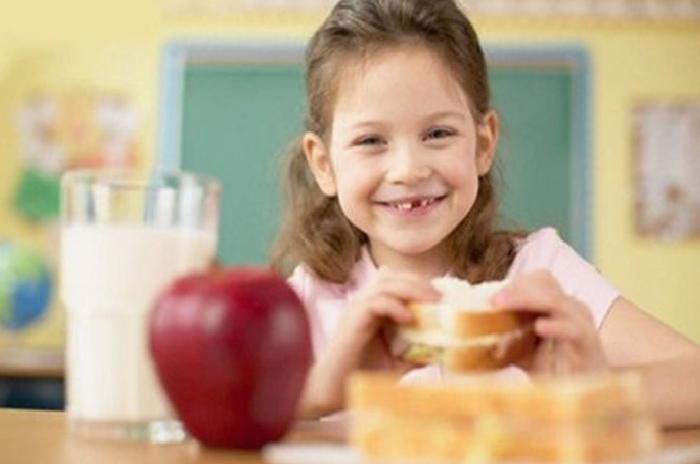
School age is a period in which growth and development is rapid and nutritional habits that can last a lifetime are formed to a large extent. As a result of insufficient, unstable or excessive nutrition of school-age children, some undesirable health problems may occur.
-
Growth and development lag behind. If this retardation is not compensated until the end of the growth period, it is reflected in adulthood and these children become short, weak and weak adults.
-
Infectious diseases are frequent and severe.
-
Iron deficiency anemia (anemia) is common, especially in girls, with the effect of menstruation (menstruation).
-
During adolescence, bone density reaches its highest level. Insufficient consumption of calcium in this period is a risk factor for osteoporosis seen in older ages.
-
Obesity emerges as a valuable problem as a result of unstable nutrition. Childhood obesity is reflected in advanced ages and lays the groundwork for chronic diseases such as high blood pressure, increase in blood fats, cardiovascular diseases and diabetes.
Morning breakfast:
The most precious meal of the day after all night long is breakfast. The child who does not have breakfast feels weak because he is hungry for a long time, his attention, working and learning skills decrease, and his school success decreases. Therefore, breakfast should definitely be made every morning.
Some examples for breakfast:
-
A glass of milk, one egg, five olives, bread, fruit or tomatoes.
-
A glass of juice, cheese omelet, bread.
-
A glass of milk, cereal, fruit.
-
A glass of milk, tahini molasses or tahini halva, bread, fruit.
-
A glass of milk, bread, 3-4 walnuts or hazelnut paste, fruit.
-
Lentil or tarhana soup, bread, fruit.
OFFERS
-
Care should be taken to consume the foods included in the 4 basic food groups at every meal.
-
The habit of drinking at least 2 glasses of milk a day should be acquired.
-
At least 5 portions of vegetables and fruits should be consumed per day.
-
At least 8-10 glasses of fluid should be consumed per day.
-
Meals should be chewed slowly and properly.
-
A pleasant diet should not be done.
-
Training should be done regularly.
-
It should be followed regularly and adequately.
-
Less time should be spent in front of the TV and computer.
-
Pure and germ-free foods should be consumed, raw vegetables and fruits should not be eaten without washing them with plenty of water, and foods sold in the open should not be consumed.
-
Freshly squeezed fruit juices, milk or ayran should be preferred instead of tea and carbonated drinks.
-
Sugary foods should be avoided in the middle of the meal. When these foods are eaten and drunk, the teeth should be brushed or the mouth should be rinsed with plenty of water.
-
Hands should be washed before and after meals.
-
Different forks, spoons, knives, plates and glasses should be used while eating.
-
Children’s lengths and loads should be observed and monitored.
-
It should be ensured that they get enough vitamin D by sunbathing regularly.
Lunch box
Students should not consume unhealthy and low-nutrient foods that are sold openly around the school. Within the framework of possibilities, it can be placed in the middle of the bread by choosing from the foods in the 1st cluster below. In addition, well-washed vegetables or fruits in the 2nd set will meet the vitamin needs of the students. As a beverage, ayran or milk is a sufficient choice.
1st SET:
Boiled eggs, cheese, grilled meatballs, boiled chicken, boiled meat
2nd SET:
Seasonal, well washed , one of the fresh vegetables and fruits (such as tomatoes, cucumbers, lettuce, carrots, tangerines, apples, grapes, cherries, plums)
And dear parents, remember, the lunchbox needs to be cleaned very well every day.
