
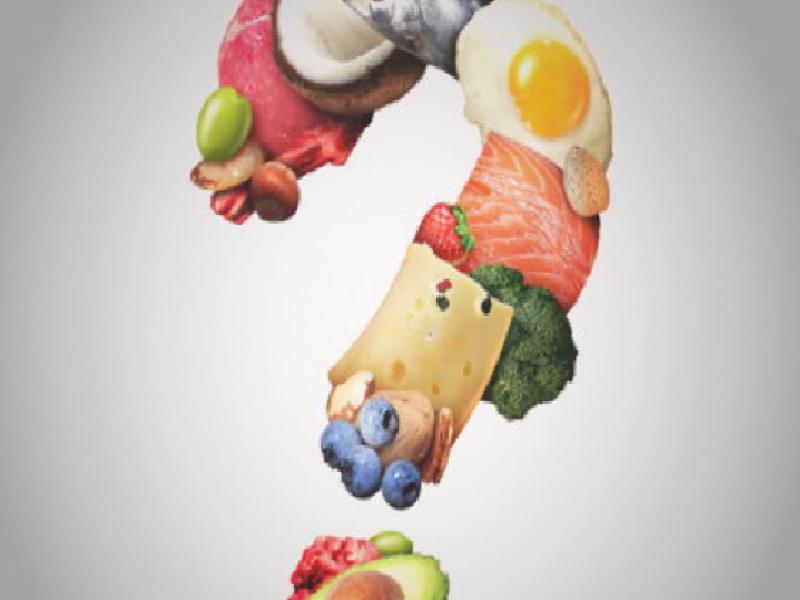
The word flexitarian is a combination of the English words “flexible” and “vegetarian”. The flexitarian diet, on the other hand, is a form of diet designed so that you can consume your favorite animal foods in moderation while eating a vegetarian diet.
Vegetarians are individuals who consume plant foods and do not consume animal foods (red meat, chicken, fish, milk and products made from milk, eggs) to a limited extent or at all. Vegans, on the other hand, do not consume any animal products and consume only plant foods. Because flexitarian adherents consume animal products, they are not considered vegetarian or vegan.
There are no strict rules or recommended calories or macronutrients in the flexitarian diet. It’s actually more of a lifestyle than a diet.
It is based on the following elements;
-
Mostly fruits, vegetables, legumes and whole grains should be consumed.
-
Mostly, vegetable proteins should be preferred instead of animal protein.
-
Meat and animal artifacts should be added to the diet from time to time.
-
Foods should be consumed in the least processed and most natural form.
-
Add-on sugar and sweets should be terminated.
Possible Health Benefits
-
Heart Health: Diets high in fiber and healthy fats protect heart health. In a study of 10,797 people on vegetarian, pescatarian and flexitarian diets, it was found that individuals who reduced their meat consumption and followed one of these diets had lower body mass index, total cholesterol and blood pressure than those who ate meat.
-
Weighing Management: Flexible eating can also help you manage your weight. This is because flexitarian individuals limit highly processed foods and eat lower calorie plant foods. Weight loss is not the primary goal of the flexitarian diet. It is more focused on adding more nutrient-heavy foods such as fruits, legumes and vegetables to your daily diet.
-
Diabetes: Type 2 diabetes is a global health epidemic. Eating a healthy diet, especially a heavily plant-based diet, can help prevent and manage this disease.
-
Cancer: Consuming nutritious plant foods such as fruits, vegetables and legumes reduces the risk of cancer. (Especially colorectal cancer)
An Eco-Friendly Diet!
The flexitarian diet can benefit your health and the environment. Reducing meat consumption can help conserve natural resources by reducing greenhouse gas emissions, land and water use.
Consuming more plant foods will also increase the demand for more land to be devoted to growing fruit and vegetables for humans rather than fodder for livestock.
Disadvantages of Not Eating Meat and Animal Artifacts
Flexitarian and other plant-based diets can be very healthy when adequately planned. However, some people may experience vitamin and mineral deficiencies when they cut meat and other animal works.
For example; Vitamin B12, zinc, iron, calcium, omega-3 fatty acids
Foods to be Eaten in Flexitarian Diet
Foods that can be consumed systematically;
-
Proteins: soybeans, tofu, tempeh, lentils, legumes
-
Non-starchy vegetables: greens, bell pepper, Brussels sprouts, green beans, carrots, cauliflower
-
Starchy vegetables: winter squash, peas, corn, sweet potato
-
Fruits: apples, oranges, strawberries, grapes, cherries
-
Whole grains: quinoa, teff, buckwheat,
-
Nuts, seeds and other healthy fats: almonds, flaxseeds, chia seeds, walnuts , cashews, pistachios, peanut butter, avocado, olives, coconut
-
Plant-based milk alternatives: unsweetened almond, coconut and soy milk
-
Herbs, spices and seasonings: basil, thyme, mint, thyme, cumin, ginger, turmeric
-
Seasoning er: reduced sodium soy sauce, apple cider vinegar, mustard, nutritional yeast, sugar free ketchup
-
Beverages: mineral water, tea, coffee
When including animal works, select the following whenever possible:
-
Eggs: free-range
-
Poultry: organic, free-range or pasture-raised
-
Fish: freshly caught
-
Meat: grass-fed or pasture-raised
-
Dairy products: grass-fed or organic from pastured animals
Foods to Eliminate in the Flexitarian Diet
Foods to be minimized include
-
Processed meats: bacon, sausage
-
Refined snow carbohydrates: white bread, white rice, bagels, croissants
-
Added sugar and sweets: muffins, cakes, cookies, candy
-
Fast food: french fries, hamburger, chicken wings, milkshake
