
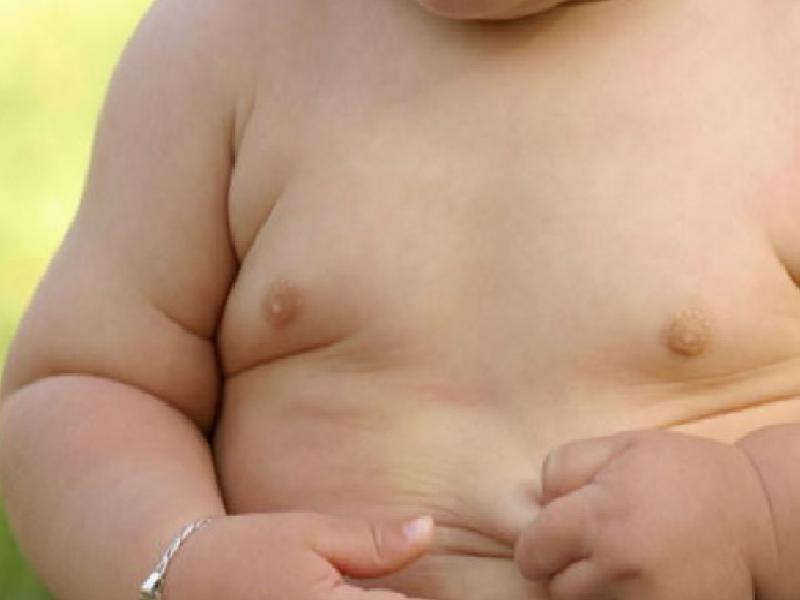
The rate of child obesity is increasing rapidly in our country, as in other countries. In developed countries, the prevalence of child and adolescent obesity rises to 25%. Scientific studies predict that after 5 years, child obesity rates will increase 2-3 times.
How is obesity detected in children?
In children, from the 1st month to the age of 18, the weight that should be according to the age and length of the child is determined by using the percentile curves specific to our country. Children at percentiles with a load of 75% or more relative to their height are considered obese. Another detection system is to look at the body fat percentage. The percentage of fat that should be in children is 17-25%. Children with more than 25% fat are considered obese.
Why is medical supervision valuable before weight gain?
Many blood costs increase with obesity. In addition, some hormonal problems also bring weight problems. As a result of a doctor’s examination and tests, the reasons for the child’s obesity can be found, as well as the health problems that occur as a result of obesity. As a result of the tests, the points that need to be supported in nutrition can be understood and the points that need to be restricted will also be taken into consideration. It will also be understood whether he will receive medical treatment or not.
Why do children get fat?
Many factors play a role in this issue:
1. Genetic factor: If the parents are obese, the risk of the child being obese is 80%, if only one of them is obese, this rate is 50%, and if both are not obese, this rate is 9%.
2. Medical issues: Being a low-birth-load baby or the mother’s malnutrition in the first months of pregnancy, excessive weight gain during pregnancy and increased mother’s sugar level, thyroid gland deficiencies, adrenal gland problems, cortisone use, some antidepressant drugs, etc..
3. Lack of physical activity: Laziness, not doing sports, sitting in front of the TV for a long time or staying in front of the computer
4. Spiritual reasons: Unrest in the family (especially the child who thinks he is not loved tries to compensate for this hunger by eating too much), failure in school, problems in friendship connections, lack of self-confidence, personality disorders, depression, etc.
5. Families’ ignorance about nutrition: Parents allow their children to eat whatever they want so that their children do not go hungry. This is the wrong approach. Often, the child will cry or refuse the given food in order to achieve his wishes. In such situations, do not accept what your child has done and do not give their wishes. When he sees that your situation is clear, he will eventually eat the food you give him. Or, you can mix the food you want to give to your child by mixing it with the foods he likes. Because in such a valuable issue, the initiative should not be left to children. We should not forget that nutrition does not mean only consuming foods that satisfy the stomach.
Nutrition ; It is the consumption of natural and healthy foods that contain the necessary nutrients and power at the expense of the individual in order to ensure the growth and development of the body, to protect health and to beautify it even more. So, how can families be made aware of this issue? What is valuable at this point is; access to safe and real information. You can get accurate information from dietitians, doctors, safe websites or from the books of academics who have received training on the subject.
Another point that families should pay attention to is that their behavior is not wrong while trying to teach their children the truth. A mother who drinks tea herself or a father who drinks cola in front of her child while saying to the child that they should drink milk or fruit juice for breakfast is far from convincing. First of all, correct your behavior so that your child, who takes you as a role model, can also change their behavior. Because children get their first eating habits and taste from their families. And these shapings continue quickly throughout their lives, almost exactly one-to-one. Therefore, with the logic that the tree bends when it is wet, the consciousness of correct nutrition should be created in childhood.
6. Increase in fast-food consumption: Just like fast-food consumption, another factor is the point that needs the most attention. On weekends, we often see children aged 5-15 coming with their families in fast-food shops. This painting tells the child: the child came to a fast-food dinner with his family. So would his parents make him do the wrong thing on purpose? No! Then the fast-food culture is not wrong. This is the result of the straight logic that the child establishes at the beginning.
In this case, families should look for the source of their children’s mistakes, which they complain about malnutrition. Because, first of all, they made their children do the wrong thing.
7. drug treatments: drugs used in the treatment of certain diseases also trigger weight gain. This trigger is in the case of appetite in some, in the form of water collection in some, and in some people in the form of weight gain by slowing down the metabolism. If we give an example of such drugs, antidepressants, drugs with cortisone, drugs containing hormones, etc. In this regard, in order to prevent obesity, the doctor’s recommendations should be taken into account, and the appetite should be tried to be controlled with the help of a specialist. treatment should never be given medium.
Ultimately, bad eating habits do not only lead to obesity. Another problem that has increased in recent years is high cholesterol levels. High cholesterol, which increases the risk of atherosclerosis and hypertension, tends to decrease until very young ages. Apart from this, malnutrition and obesity have many problems such as diabetes, fatty liver, pancreatitis, palpitations, orthopedic problems, breathing problems, snoring, sleep apnea, asthma, reflux, gallstones, stomach problems, early puberty, ovarian cyst, skin condensation and mental problems. triggers the disease. Apart from this, wrong nutrition also affects mental development on the bad side. Because the brain uses glucose. It turns out that fast-food and snacks provide more fat intake than glucose. Excess fat accumulates in the adipose tissue and forms obesity.
Families think that dieting in the developmental age of their children will set them back, and that the child will lose their excess weight after puberty. This misdirection is slowly starting to change. Significant increases are observed in the number of children and adolescents aged 7-18 years who apply to dietitians with the diagnosis of obesity every year.
Providing weight control, especially in early childhood, is more valuable than in the following years. Because the number of fat cells in the human body increases in some periods. These periods are; last 2 months of pregnancy, first 18 months after birth, 5-7 years of pre-school and adolescence period. After puberty, there will be an increase or decrease in the volume of existing cells. Therefore, the fatter the child is during these periods, the higher the number of cells will increase, the greater the risk of developing obesity and diseases brought about by obesity in later years. In this case, early intervention will bring the child’s health to the point of raising it, rather than deteriorating it.
