
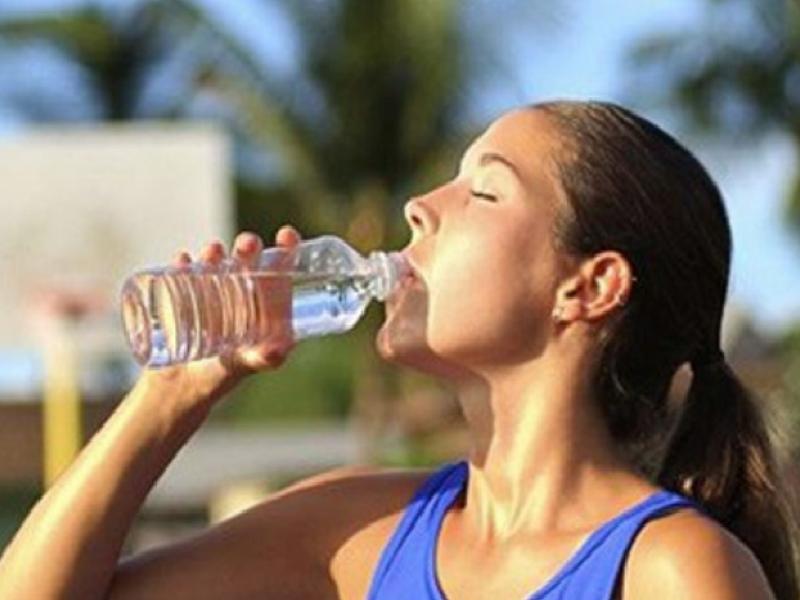
SUFFICIENT WATER CONSUMPTION MEANS MORE PERFORMANCE AND MORE SUCCESS.
If we consider that more than half of the human body is made up of water, to maintain the water stability of the body; It is extremely valuable for the vital activities of cells and the fulfillment of body functions. Athletes’ water ratio should be 5% higher than usual.
Replacing lost fluid in athletes as soon as possible; It is valuable in terms of preventing injury, delaying muscle pain, increasing performance by delaying fatigue.
In order to purify the body from toxins and to ensure the temperature stability of the body, approximately 2.5 liters of water is lost in total through urine, feces, sweat and respiration. These dimensions are even greater for sportsmen.
WHAT HAPPENS IN LIQUID LOSSES?
When approximately 1.5 liters of water, 2% of the body load, is lost, a decrease in endurance occurs. It gets better with water. When there is a 4% water loss (approximately 3 liters), a decrease in power occurs, it does not improve immediately when water is consumed.
In case of further increase in fluid loss, decrease in blood pressure, loss of concentration and delay in movement begin. If the loss of fluid has occurred in a hot environment, important issues such as heat stroke and heat shock occur.
Feeling thirsty, however, occurs when 0.5-1 kg of water is lost, so a feeling of thirst should not be expected to drink water.
THE MEASUREMENT AND TIME OF WATER THAT ATHLETES TAKE
- In the last meal before training: 2-2.5 glasses
- 30 minutes before training: 1 glass of water
- During training: 1 glass of water
- at intervals of every 15 – 20 minutes After training: 450 cc of cool water should be drunk for every ½ kg of loss. Because cool water is absorbed faster.
In fact, the main logic here is to determine the body weight before and after the activity and drink as much water as the difference.
Another criterion in the measure of water after training is the color of the urine. It is recommended that the athlete drink water until the color of the urine becomes clear. You can also understand your acid load by looking at the first
urine in the morning.
Light yellow, odorless urine is alkaline.
Medium yellow, low odor urine is slightly acidic.
If the color of your urine is very dark and its odor is properly heavy
, your acidity is high.
HOW SHOULD THE LIQUID BE DRINKED?
Only drinking water is sufficient for short workouts. Sports drinks should be preferred for long endurance exercises (more than 60 minutes). Because the carbohydrate in its composition contributes to the renewal of the body’s glycogen stores, fluid stability and temperature regulation with the electrolytes it contains.
The athlete’s beverage should contain 6-8% carbohydrates. Drinks with high sugar delay water absorption. During intense activities, 150 ml should be consumed every 30 minutes.
This drink can be prepared by adding 2-3 tablespoons of honey and half a lemon juice to 1 liter of water.
It is especially useful to drink cool water (it is recommended to be 8-12 degrees) for thermoregulation (balancing the increased body temperature) during and after training.
DO Caffeine AND ALCOHOLIC BEVERAGES REPLACE WATER?
They are not the wrong choice to meet fluid requirements. Caffeine and alcohol increase the amount of urine due to their diuretic effect and increase the amount of water lost.
Alcohol; cannot provide the energy necessary for muscle fuel. It disrupts harmony. By reducing the serum testosterone level, it causes a decrease in lean tissue, that is, muscle mass. Even within a few days after consumption, the response time and mental alertness are impaired, increasing the risk of injury.
A WORK EXAMPLE
The outside temperature is 20 C during the test. The test was terminated when the runner became exhausted. No fluid intake during the load period resulted in a higher heart rate (HR). HR continued at a constant rate when the test individual drank 250 ml of water every 15 minutes. When the person takes fluids, stamina (stamina) is increased. Because the loss of water causes a decrease in the circulating blood volume and the amount of blood entering the heart decreases.
This decreased input tries to be compensated by an increase in heart rate (HR)
. Therefore, water loss causes an increase in heart rate
.
RESULT!!!
- Before you feel thirsty, you should drink water at small and frequent intervals. It is important to drink fluids during the match as well as before and after the match.
- Alcoholic and caffeinated beverages with high sugar content should be avoided. Cool, low-sugar fruit juices and water are the most ideal drinks to meet fluid needs.
- Electrolyte loss occurs with sweat, but very little compared to water. Electrolyte loss can be compensated by adding 1 glass of fruit juice and a little salt to meals after the match.
