
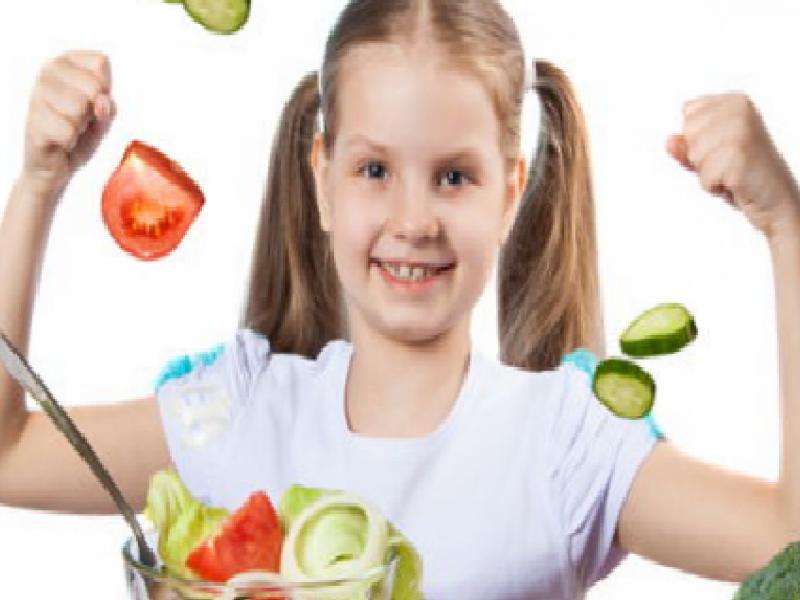
We know that a healthy and stable diet is very valuable throughout the whole life process from the mother’s womb to old age… Adequate nutrition in childhood has a great impact on them leading a healthy and fit life, increasing their learning abilities, and therefore ensuring their success in school.
• Diversity should be at the forefront in children’s nutrition.
It is valuable to ensure the consumption of foods from each food cluster during the day. These clusters; milk and dairy products cluster, meat-egg-legume cluster, cereals, vegetables and fruits.
• A regular schedule should be followed:
When meals are not systematic, children may not be able to consume more junk food throughout the day. In this form, the nutrient clusters that should be taken at meals are neglected.
• Try different formulas to increase vegetable consumption.
Add vegetables to children’s favorite meals
Enrich their soups with extra vegetables
Accompany meals with a wide variety of salads
Let your child choose new vegetables during your shopping
Offer raw vegetables
Make use of vegetable juices (tomatoes, carrots…)
• BREAKFAST CONDITION for a smooth start!
Prefer whole grain foods for breakfast. They are nutritious as they contain high fiber and they have the feature of keeping children full for a long time.
Benefit from milk and dairy artifacts.
Try to choose products enriched in iron, B and D vitamins in breakfast cereals.
Also, instead of buying sugary ones or adding extra sugar, try fresh or dried fruits
Add foods containing vitamin C to breakfast.
• Pay attention to fluid intake.
Tell them to drink plenty of water (1.5 lt per day)
Instead of carbonated, sugary drinks, tea, coffee, instant-sweetened fruit juices, sodas, they prefer buttermilk, milk, freshly squeezed fruit juice. should be done.
• Try to bring all family members together at mealtime.
Mealtime is the most valuable meal for the family, where sharing increases. Telling children to eat nutritious foods and showing this has a much smoother effect. It also provides them with a positive model for social behavior.
• Be careful with the TASTE TRIANGLE!
End the frequency of consumption of foods formed by the trio of “fat, sugar and salt”, which is widely used in ready-made works.
Do not keep chips, chocolate, candy, wafers, biscuits, carbonated drinks, ready-made fruit juices in the residence.
Suggest balancing these nutrients with healthy alternatives.
• Allow them to make their own food choices.
• Warn against food sold out.
• Be a sufficient model
• Guide to correct choices at school
Talk beforehand what kind of food you can choose in the cafeteria
Get to know school menus better, if there is a responsible contact contact
Accompany your child to a lunch
Support nutrition education activities at school
• Prepare a healthy lunch box.
• Make the right choice about the features of the lunch box
• Prepare the foods in a way that they can be consumed easily
• Don’t forget to pay for milk or ayran!
• Remind them to store their household items in a clean and sound place
Offers for the Lunch Box
• Lettuce, pepper, tomato-cheese sandwich or chicken sandwich
• Oatmeal cookies or home-made dried fruit cake
• Baked grains Müjver
• Homemade low-fat cheese pie
• Whole grain bread-knit/cheddar cheese slices
• Raw vegetable slices, whole fruit, oil seeds
• Box milk, buttermilk
End FAST-FOOD consumption.
Change the presentation state.
The rejection of a food or food set for a period of time can result in a deficiency of certain nutrients that are essential for growth. For this reason, the rejected food should be offered again in different forms from time to time.
Do not forget that you can contribute to the development of healthy generations by ensuring that your children consume regular, sufficient and stable meals…
