
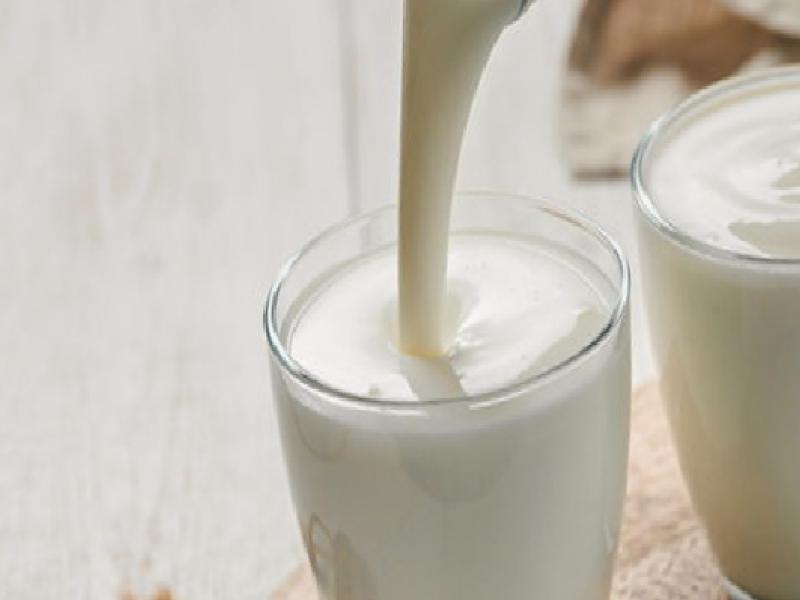
Known as the secret of longevity of the ancient Turks, kefir is a milk product obtained by fermenting the milk frequently used by people living in the Caucasus, which has a very cold climate. This product, which can be made from cow, sheep, goat and buffalo milk, is considered a functional food.
In the Caucasus, where kefir is the most consumed, the human lifespan of 110-130 years has led some scientists to consider kefir as the key to longevity. This food, which takes its name from the Turkish word “keyf”, attracts great attention due to its healing properties and longevity.
Kefir, which has a very high nutritional cost, is rich in many minerals and essential amino acids, especially calcium and phosphorus. The most valuable feature in terms of nutrition is that it is at the top of the healthy foods that we call pre-probiotic foods.
Kefir, which is in the class of probiotic-prebiotic foods, is a natural antibiotic, it positively affects human health by enabling the proliferation of some beneficial bacteria in the intestine. It strengthens the immune system by preventing the stability of healthy microbes in the gut from changing in favor of harmful microbes. Since it strengthens the immune system, it prevents the weakness and fatigue that is felt with the cold in the winter months, and treats the person without getting sick.
Parallel to the increase in the consumption of refined foods in recent years, the low consumption of classical fermentation foods such as kefir and various brines, the addition of protective elements or the addition of antibiotics so that those consumed more such as milk and yogurt do not turn sour or cut, have upset the wonderful probiotic stability of our body. This stability can be achieved again by increasing the consumption of foods such as milk, yogurt, especially kefir.
KEFIR MANUFACTURING AND USE
1 liter of milk at room temperature is put in a glass jar with a lid. 1-2 teaspoons of kefir grains are added to the milk and mixed slowly. The trick here is that the kefir grains do not come into contact with metal, so the choice of spoon to mix should be done correctly. Then, the jar is tightly closed to prevent the volatilization of CO2, which is formed during fermentation and gives kefir a different flavor. In order to facilitate fermentation, a humid environment with high heat value may be preferred. In this environment, kefir yeast is kept for 24 hours. The next day, in the same hour, the grains are separated with the help of a non-metal strainer and are ready for consumption. If desired, kefir can be stored in the refrigerator for several days. If the grains are to be used again, they are passed through warm water and the same processes are repeated. If it is not going to be used, a little water can be put in a small jar and the lid can be closed and stored in the refrigerator for a long time.
However, kefir is not a drink for every taste. Those who do not like its taste can dilute kefir a little and drink it as ayran. Another option would be to consume kefir as tzatziki by chopping cucumber, mint and dill into it, or sweetening it with dried fruits and preferring it as a dessert in the middle of the meal.
It is valuable to consume kefir to strengthen our immune system. There is no difference in preparing it at home or using ready-made kefir. As part of a healthy diet, 2 glasses of milk should be consumed per day. If we consider one of these milk choices as kefir, we will have taken a step in line with the name of strengthening our immune system.
