
The month of Ramadan, which coincides with the seasons and summer months, can slow down your metabolism due to prolonged hunger and thirst. Iftar tables that come in the form of banquets, high calorie and fatty foods can cause gastrointestinal problems as well as cause weight gain.
In fact, if you are an individual who fasts during Ramadan, you can spend these 30 days without gaining weight, and you can even continue your weight loss if you are in a weight loss program. In order to do this, you can include light flavors on your Ramadan tables and purify your body from the calorie meals you have made so far.
Definitely apply the fit Ramadan offers to spend a pleasant month of Ramadan.
* Fasting is not done by starving: First of all, fasting is an inner purification and training of the body. The aim is not to create a hunger for death. For this reason, a Ramadan cannot be spent by starving and not having sahur. This will be the biggest torture to your body.
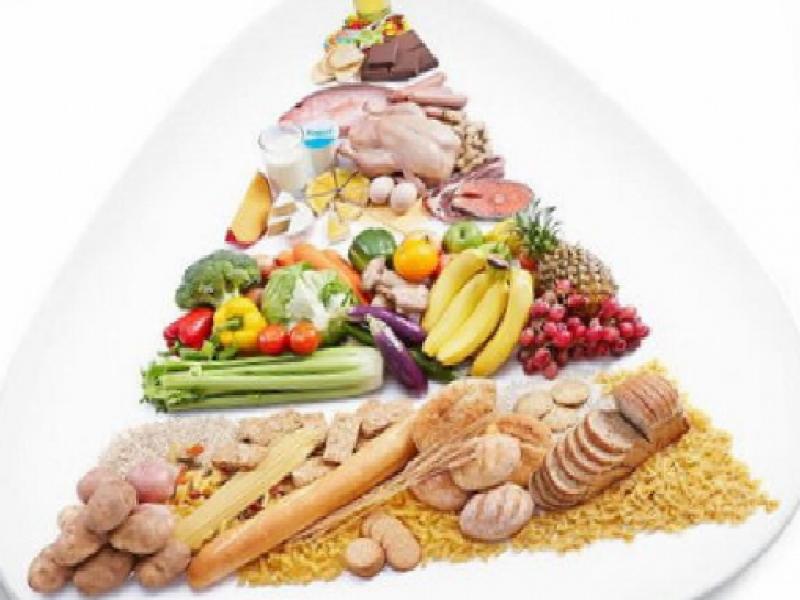
*Must be consumed from all food groups: These include vegetables, fruits, milk, yoghurt, cheese, meat, chicken, fish and the usual bread. Moderated and truthfully chosen bread in Ramadan will not make you gain weight. On the contrary, you get carbohydrates, which are the main food source of the body, thanks to bread in the lowest calorie, fat-free and satisfying form. When you do not eat bread, you eat more foods such as rice, pasta, pies and potatoes, which are other carbohydrate sources, in order to feel full. While each of these becomes a meal, oil is definitely added to it. In other words, by eating 1 plate of rice while you are afraid of 2 slices of bread, you actually eat 2 times more carbohydrates. The bread I am talking about here is not white bread, but brown bread made from whole wheat and whole rye flours.
*Should I eat Ramadan pita or not? Consumption of ramadan pita, which is produced only for 1 month a year, and whose fragrant smell overflows all ovens, is in the middle of the most curious. Pita is made from white flour, so it is no different from white bread. Whole wheat flours always provide satiety for a longer period of time in appetite control. Therefore, if you are on a diet and your goal is to lose weight during Ramadan, it is better to stay away from pita bread. However, if you do not have a weight problem, you can consume pita in moderation. My proposal is to consume whole grain bread for sahur meal and to consume pita bread for iftar meal. Because you may find it difficult to manage the hunger for 14-15 hours after sahur with pita bread and you may be very hungry. A hand-sized ramadan pita is equal to 1 slice of bread. The total consumed measure varies from person to person.
*Foods that should never be eaten at sahur: This year, the sahur time, which is done in the middle of 02.00 03.00 at night, is the time when your metabolism is asleep. Therefore, do not consume very fatty, sugary, floury and easy carbohydrate foods. These foods can make you gain weight and cause conditions such as indigestion, bloating, gas pains and constipation. It is also beneficial not to consume salty foods. Because too much salt can cause both your thirst during the day and edema in your body. At the beginning of these foods are salted olives, pickled products, pickles, roasted sausages, salty delicatessen items such as salami, sausage, spices, garlic, fried meats, oily pastries, fried dough.
*What is the truth in Ramadan nutrition?
Eat 4 meals while fasting,
1. Sahur
2. Iftar starter menu (date/apricot, soup and iftar)
3. Iftar main menu (main course, bread, salad) , yoghurt)
4. Medium meal (1.5 hours after iftar)
Note: In the middle of 2 iftar meals, it should be medium for 15-20 minutes.
Pay attention to fluid consumption in sahur. Drink at least 1 liter of fluid. Water, buttermilk, sodium-reduced mineral water, herbal teas can be all.
Make light but satisfying meal choices at sahur. For example,
Standard breakfast menu, cereal bread, cheese, unsalted olives, eggs, tomatoes, cucumbers
Zucchini and pepper omelette with multigrain bread
1-2 bowls of soup and salad with avocado
Pasta with non-fat cheese and buttermilk
These menus are both satisfying and helpful alternatives to weight control.
Definitely drink 1 glass of skim milk or fat-free ayran at sahur. This will both support your fluid intake and keep you full. You can consume it 5 minutes before the adhan is read.
Start iftar with 1-2 dates and a lean broth.
In the main menu of Iftar, choose meat and vegetables, grilled chicken or meatballs, chickpeas, dried beans or vegetable dishes with olive oil.
Include buckwheat, quinoa, brown rice, whole wheat pasta, einkorn bulgur in half portion sizes in the main menu of Iftar.
Definitely eat a salad containing 1 bowl of greens in iftar.
In your middle meal after iftar:
You can eat fruit and nuts,
Milk dessert or Güllaç,
Ice cream and half a portion of fruit.
Use probiotic powder or tablet once a day.
While cinnamon on fruits and in teas provides hunger control, cumin that you add to your meals relieves digestion and gas problems.
Definitely drink 1 cup of fennel tea after iftar.
The last middle meal must be finished by 23.00 at the latest.
SAMPLE RAMADAN MENU SAHUR:
1-2 Eggs or Omelette (can be prepared with vegetables)
1-2 slices of cheese (low salt)
Lots of green cold cuts, tomatoes, cucumbers , arugula
5-10 almonds or 5-10 slightly salted olives or 3 whole walnuts
2-3 slices of whole grain bread
1-2 dates or apricots or half an apple or 1-2 triangular slices of watermelon
1 glass of skim milk or ayran
Light tea/herbal tea
IFTAR:
1-2 medina dates (don’t eat dates with added sugar)
1 bowl of soup (yogurt) , lentils, split vegetables, vegetables, tomatoes, vermicelli)
Half slice of low-fat cheese and half slice of bread
15-20 MINUTES MEDIUM
Vegetable dish with meat/olive oil/ boiled chicken/grilled meatballs/chickpea/bean dish
Bulgur pilaf or buckwheat or brown rice pilaf with vegetables (onion, garlic, tomato, pepper, zucchini, mushroom according to preference). zion) or 1-2 slices of pita
Green salad (1 teaspoon of olive oil or avocado added)
Ayran/tzatziki/yogurt
MEDIUM:
Seasonal fruits + unroasted nuts (quantity measures
*Amounts vary according to gender, weight and nutritional status of individuals. The given menu contains sample dimensions.
